REVIEW · MALAGA
Picasso’s Birthplace Museum Entrance Ticket
Book on Viator →Operated by Agencia Publica · Bookable on Viator
Picasso’s story begins in a very specific room. With skip-the-line priority access and an audio guide that keeps you moving at your own pace, this is one of the fastest ways to understand what shaped him. One thing to plan for: the venue’s entrance can be a little confusing, so give yourself a few extra minutes to locate the right door.
I like that the visit stays focused. You’re looking at the place where Pablo Picasso was born (No. 15 Plaza de la Merced) along with curated exhibits tied to his family and the culture around Málaga, plus access to temporary displays. Expect about 1 to 2 hours for a solid walk-through, often with a short line experience rather than a long wait.
In This Review
- Key Things To Know Before You Go
- Entering Picasso’s Birthplace in Malaga’s Plaza de la Merced
- Ticket Value: Why This $4.81 Entry Usually Feels Like a Win
- What You’ll See Inside: Permanent Rooms and Temporary Exhibits
- Permanent exhibits: objects, family ties, and early materials
- Temporary exhibits: included, so you don’t feel stuck
- Stop 1: Fundación Picasso – Museo Natal (The Birthplace Building)
- Why the layout works
- The additional exhibition room at No. 13
- Library, activities, and a museum that feels alive
- Audio Guide Reality Check (and How to Use It Well)
- Finding the Correct Entrance: A Small Hassle With a Big Impact
- How Much Time Should You Plan?
- Who This Visit Suits Best (and Who Might Want a Different Plan)
- Practical Details That Affect Your Day
- Location and getting there
- Opening hours and days off
- Weather note
- Should You Book This Picasso Birthplace Museum Ticket?
- FAQ
- How long does the Picasso Birthplace Museum visit take?
- What’s included in the ticket?
- Which languages are available for the audio guide?
- Is there free entry available?
- What are the opening hours?
- Is the museum experience in English?
- Can I cancel and get a refund?
Key Things To Know Before You Go
- Skip-the-line priority access helps you avoid the worst of the outside queue.
- Audio guides in many languages (Spanish, French, English, Italian, Chinese, German) let you explore without rushing.
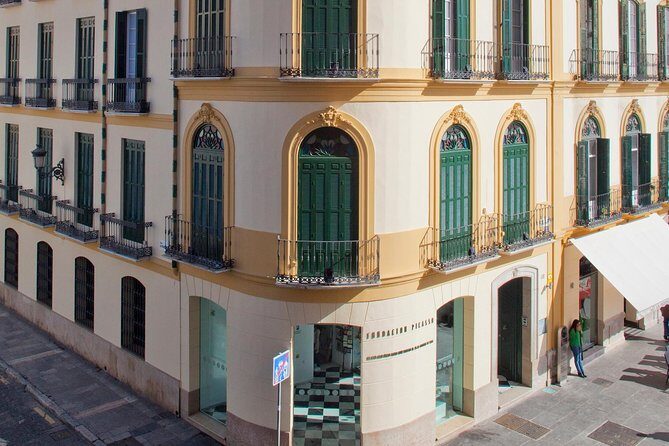
- A birthplace you can actually stand in at Plaza de la Merced, inside a building devoted to Picasso since it became a museum.
- More than one exhibition area is part of the experience, including an additional room at No. 13.
- Temporary exhibits are included, so you’re not just seeing the same permanent displays.
- It’s a small visit, but it packs information; plan for roughly an hour even if the ticket allows up to 2.
Entering Picasso’s Birthplace in Malaga’s Plaza de la Merced
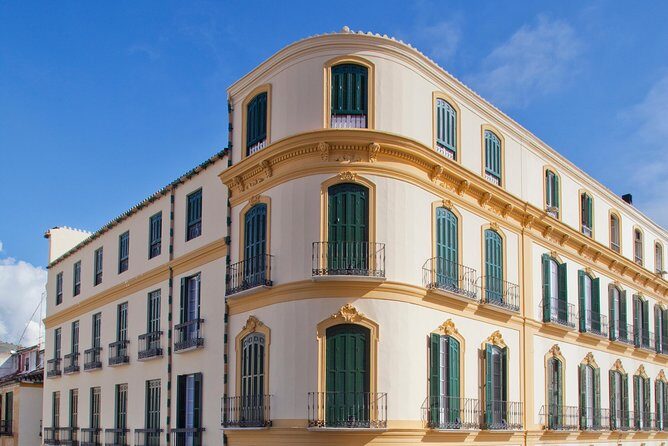
If you’re coming to Málaga for culture, this is the kind of stop that gives you context fast. Picasso’s birthplace museum occupies the building at No. 15 Plaza de la Merced, and that matters because you’re not just looking at art behind glass. You’re in the space where his early life began, framed by original objects, family ties, and the social world around Málaga.
This is also a good entry point if you’re a fan but not a museum person. The museum structure is built to guide you through ideas. The audio guide helps connect what you’re seeing to a larger story—family, education, and influences—so it feels less like wandering and more like following a thread.
One practical detail: this is self-guided. Your time is spent inside the museum rooms, then you step back out into the square area. Reviews consistently describe it as worth the time even when the visit is shorter than expected, which is a good sign for anyone with a tight day plan.
You can also read our reviews of more tours and experiences in Malaga


Ticket Value: Why This $4.81 Entry Usually Feels Like a Win
At $4.81 per person, the headline here isn’t just the price. It’s the value mix: skip-the-line priority access, entry to permanent and temporary exhibits, and an audio guide in multiple languages.
That combination changes how you experience the museum. Without skip-the-line, you can burn part of your visit just waiting outside—especially with the Picasso name pulling crowds. With priority access, you spend your limited time looking, not standing.
Duration helps too. The visit is typically about 1 to 2 hours, which makes it workable even if you’ve got other nearby stops. The maximum group size is listed at 15 travelers, which usually translates to a less chaotic start than larger tour groups.
If you’re deciding whether to book ahead or walk up, booking ahead often wins because this museum can be popular. The listing notes an average booking window of 15 days in advance, so you’ll feel better knowing you’re not relying on luck.
What You’ll See Inside: Permanent Rooms and Temporary Exhibits
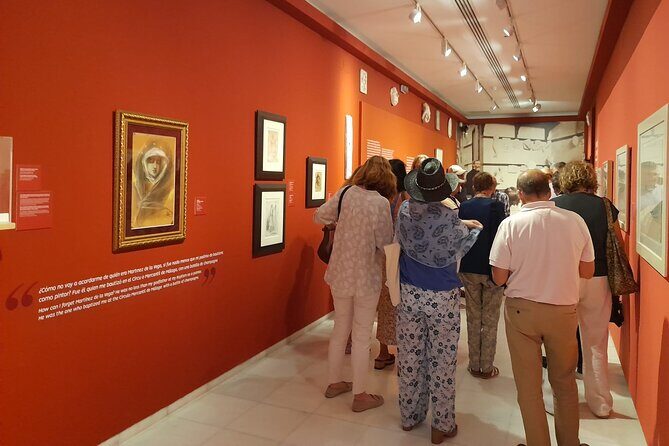
The birthplace museum isn’t built as a huge “labyrinth” museum. Instead, it’s organized around the idea of Picasso as a person rooted in place—Málaga—and time.
Permanent exhibits: objects, family ties, and early materials
The museum’s permanent rooms include:
- original objects and family souvenirs
- pieces linked to Picasso’s life in Málaga
- documentation of his family, social, and cultural connections to the city
There’s also a specialist library on-site, and the museum runs ongoing temporary exhibitions and cultural activities.
One standout detail from the museum’s description is the way it connects Picasso’s later genius to earlier thinking. The museum has compiled a collection featuring over four thousand pieces by more than 200 artists. That includes Picasso-related items such as sketchbooks used in preparation for Las señoritas de Aviñón—notably described as the only sketchbooks of that kind in a Spanish collection, dated from 1907.
If you like “how it starts” more than “only the final masterpiece,” this is the part that clicks. You get to see Picasso’s work habits and creative development rather than only the finished icons.
Temporary exhibits: included, so you don’t feel stuck
Your ticket includes access to temporary exhibitions as well as the permanent displays. That matters because a temporary room can change the tone of the visit. Even if you’ve read about Picasso before, the temporary exhibit keeps the museum from feeling repetitive.
In plain terms: the permanent part gives you the birthplace and foundational context; the temporary part gives you something current to react to.
You can also read our reviews of more museum experiences in Malaga

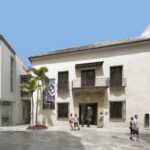


Stop 1: Fundación Picasso – Museo Natal (The Birthplace Building)
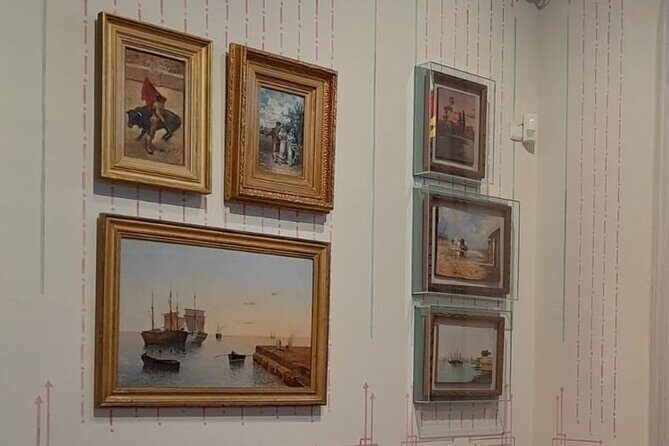
This is the core of the experience. Everything revolves around the museum rooms inside the building at Plaza de la Merced. Plan to move at your own speed with the audio guide, taking breaks as needed between rooms.
Why the layout works
The museum building includes both the birthplace and exhibition rooms, so you’re not constantly crossing between distant sites. That helps you stay mentally “in” the story. It also keeps the visit from ballooning into a long afternoon.
Many visitors describe the length as compact. Some report a quick walk-through around half an hour, others closer to 1 to 1.5 hours, depending on interest level and how carefully you read the displays.
The additional exhibition room at No. 13
There’s also mention that since 2005, there’s another exhibition room at No. 13 in the same square. Because your ticket includes entrance to the museum’s exhibition areas, you should treat the visit as more than one room cluster—even if it still feels like a short outing.
This is a key reason the museum earns good reviews for being worth it: you’re not only seeing one small section. You’re getting a more complete view of what the museum wants to communicate.
Library, activities, and a museum that feels alive
The museum description notes a specialist library and a continuous program of temporary exhibitions and cultural activities. You probably won’t spend your visit reading in the library, but it adds credibility. This isn’t an emptied-out “showroom.” It’s part of a living institution.
Audio Guide Reality Check (and How to Use It Well)
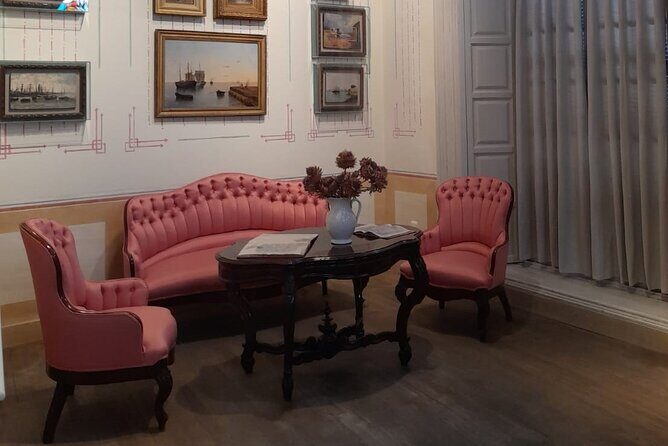
The museum includes audio guides in Spanish, French, English, Italian, Chinese, and German. That’s great if you want control over pacing.
Here’s how I’d use it so you get the most out of the ticket:
- Start the first section immediately after entry so the museum’s early story makes sense as you move.
- If you hit a room that feels slow, keep the audio going rather than reading everything. The audio is designed to connect the dots.
- If you’re sensitive to room-to-room repetition, use the audio to prioritize the rooms you’ll care about most.
One downside shows up in the feedback: audio issues can happen, especially in the second part of the museum. If the audio cuts out or feels off, don’t panic—just keep your eyes on the room text and switch to the next part of the story until things stabilize.
Finding the Correct Entrance: A Small Hassle With a Big Impact
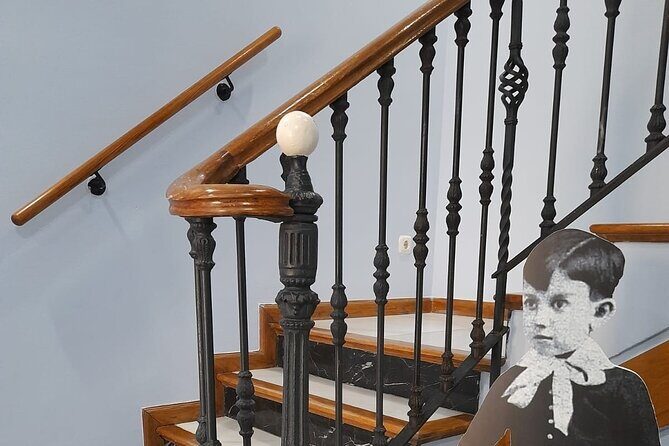
This museum is easy to understand once you’re inside, but one practical complaint comes up: it can be hard to find the exact entrance, and the entrance door can be different from where you expect to enter.
So do this:
- Give yourself a few extra minutes on arrival.
- Look carefully for the staff help or signage right at the moment you think you’re at the right spot.
- If you’re arriving at a busy time, don’t treat every corner as the correct entry.
This is also where a pre-booked skip-the-line ticket helps—but only if you can present it smoothly at check-in. One review also points to trouble adding a prepaid entry ticket to Apple Wallet, then having to sort it out at reception. If you rely on your phone wallet, it’s smart to bring whatever confirmation option you have ready in a backup form.
How Much Time Should You Plan?
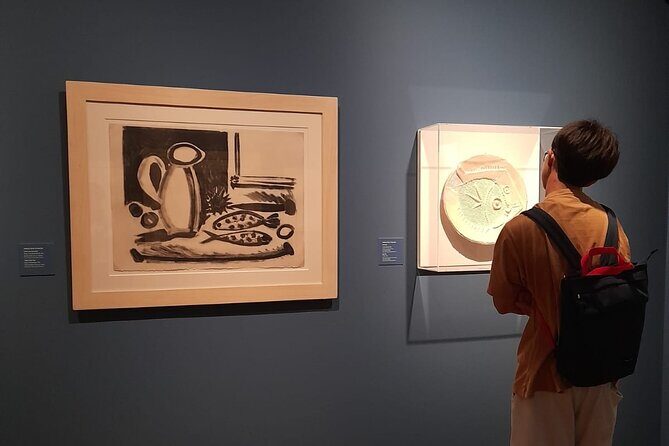
For most people, 1 to 2 hours is the right range. But the better question is: what kind of visit do you want?
- If you want the highlights quickly, aim for around 45 to 60 minutes.
- If you want to slow down for family history, objects, and the deeper Picasso materials, plan closer to 90 minutes.
- If you’re also the type who reads every label and wants to pause for photos, you may stretch toward the high end.
Either way, you’re not committing to an all-day museum marathon. Reviews describe it as a short but meaningful visit, and that matches the museum’s size and focus.
Who This Visit Suits Best (and Who Might Want a Different Plan)
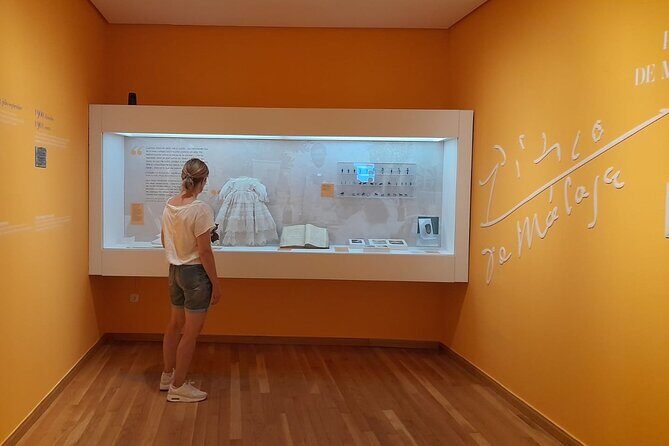
This museum is a strong fit if you:
- love Picasso and want the earliest context, not just the famous works
- like museums that connect art to real people and real places
- want a short, well-paced stop you can add to a walking itinerary
- prefer self-guided exploration with an audio guide in English or another language
It might be less satisfying if you:
- expect a massive, multi-building museum day
- want a guided tour with a live speaker explaining everything step by step
- hate brief experiences unless they feel very in-depth for your personal taste
The good news: the ticket includes temporary exhibits, so even a shorter visit isn’t limited to just one fixed story.
Practical Details That Affect Your Day
A few logistics items matter because they influence your stress level.
Location and getting there
It’s in central Málaga on Plaza de la Merced, and it’s noted as being near public transportation. That makes it easier to slot into a day without needing a car.
Opening hours and days off
The museum is listed as open daily 09:30 to 20:00 (including holidays), with closures on 1 January and 25 December. Special shorter hours apply on 24 and 31 December (09:30–15:00).
If you want to save money, you’ll want to notice the free-entry windows:
- Free entry every Sunday from 4pm to 8pm
- Discounting for youths under 18 when accompanied by an adult
- Discounts for seniors (65+), students up to 26, and large families are available, but you generally need to buy those directly at the ticket office
- Specific free-entry days are listed, including Day of Andalucía (February 28), International Museum Day (May 18), World Tourism Day (September 27), and Picasso’s birth commemoration (October 25)
Weather note
The experience requires good weather. If conditions are poor, the provider may offer a different date or a full refund.
Should You Book This Picasso Birthplace Museum Ticket?
I’d book this if you want a low-cost, time-saving, high-context visit. The skip-the-line priority access is the real practical win, and the included audio guide makes it feel complete without needing a live guide.
Skip it only if you’re hunting for a long, high-density art museum day. This is more like a focused story walk: short in time, strong in meaning, and built around where Picasso began.
If your goal is to leave Málaga with a clearer picture of Picasso as a person shaped by Málaga—family ties, early materials, and the path to later works—this ticket delivers a lot for the price.
FAQ
How long does the Picasso Birthplace Museum visit take?
Plan for about 1 to 2 hours depending on how closely you read and how much time you spend in the different exhibit areas.
What’s included in the ticket?
Your ticket includes entrance to the Pablo Picasso Birthplace Museum, skip-the-line priority access, audio guides, and access to the temporary exhibition.
Which languages are available for the audio guide?
The audio guide is available in Spanish, French, English, Italian, Chinese, and German.
Is there free entry available?
Yes. Free entry every Sunday from 4pm to 8pm is listed. Free entry is also available for youths under 18 when accompanied by an adult, and there are specific free-entry days during the year.
What are the opening hours?
The museum is listed as open daily 09:30–20:00, including holidays, with special hours 09:30–15:00 on 24 and 31 December. It’s closed on 1 January and 25 December.
Is the museum experience in English?
The experience is offered in English.
Can I cancel and get a refund?
Yes. Free cancellation is available, and you can cancel up to 24 hours in advance for a full refund. If you cancel less than 24 hours before the start time, the amount paid isn’t refunded.