REVIEW · MALAGA
Visit Oil Mill Museum and Olive Oil Tasting in Ronda
Book on Viator →Operated by LA Organic Experience · Bookable on Viator
Olive oil meets art and architecture just outside Ronda. At LA Almazara – LA Organic you start in a modern greenhouse built for learning and tasting, then walk through olive groves and organic vineyards with quirky installations, ending with a guided organic olive oil tasting.
I like how this visit mixes practical food education with thoughtful design. I also like that guides such as Alina and Ursula tend to explain what matters for quality, not just where olives grow.
One possible snag: if your group is split between English and Spanish explanations, the timing can feel a bit rushed for questions and for absorbing every stop at your own pace.
In This Review
- Key things I’d plan for at LA Organic in Ronda
- Why this olive-oil visit feels different from a typical tour
- Getting oriented at LA Almazara – LA Organic (before you even start walking)
- The greenhouse start: video, oil mill, tasting rooms, and terraces
- Walking between olive groves and organic vineyards (with Starck surprises)
- The museum on-site: art context and extra time to look closely
- The tasting: organic olive oil comparisons you can actually use
- Optional lunch after tasting: what it costs and what you get
- What it’s worth paying: $30.23 and what you actually get
- Who should book this (and who might want to skip it)
- Should you book the Oil Mill Museum and Olive Oil Tasting in Ronda?
- FAQ
- How long is the LA Organic olive oil tasting tour in Ronda?
- Where does the tour start?
- How much does it cost per person?
- What’s included in the ticket?
- Is lunch included?
- What language is the tour offered in?
- Is there a maximum group size?
- What if the weather is bad?
- Can I cancel for a refund?
- Are service animals allowed?
Key things I’d plan for at LA Organic in Ronda
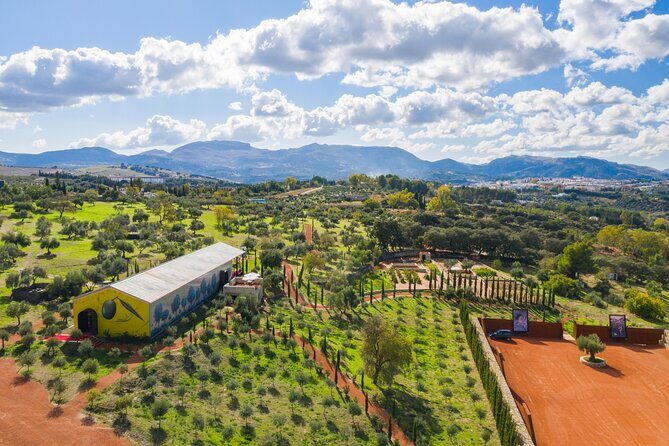
- Modern olive-oil complex with an on-site museum, projection room, terraces, and a dedicated tasting space
- A short intro video that sets the production story before you walk
- Photo exhibition by Stefano Robotti right at the start in the car park area
- Surprises in the olive groves tied to installations by Philippe Starck
- Tasting structure that begins with a blind tasting and then compares oils with bread and vinegar
- Optional country lunch (for extra cost) after the tasting, using local products
Why this olive-oil visit feels different from a typical tour
If you’re picturing a basic farm stop with a quick walk and a sample, this one is built to slow you down in the best way. The LA Organic site is part working organic olive experience and part designed visitor space, so you’re not just passively watching olives turn into oil. You’re seeing how the property thinks about visitors while still keeping the product at the center.
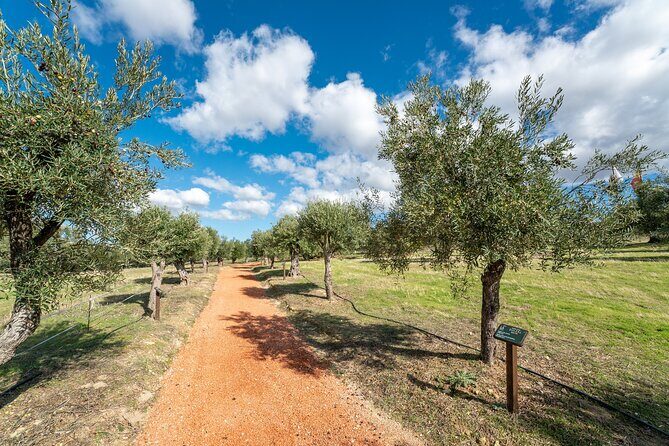
The setting helps. You start indoors in a greenhouse-style layout, then head outside between olive groves and organic vineyards. Along the way, the property adds art elements and installations, so the walk feels more like a guided stroll through a curated place than a plain agricultural route.
And the tasting matters. You don’t just get one pour and a thumbs-up. The format includes a blind tasting first, then additional comparisons. That’s the kind of structure that makes the whole experience stick when you’re back home deciding which bottle to buy.
You can also read our reviews of more food & drink experiences in Malaga

Getting oriented at LA Almazara – LA Organic (before you even start walking)
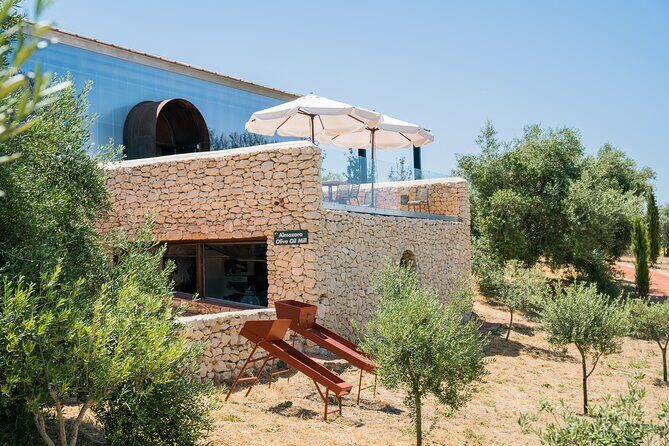
Your visit begins at LA Almazara – LA Organic, on Carretera Ardales Ronda A-367, KM 39,5 (29400 Ronda, Málaga, Spain). Even before the guided part officially ramps up, the arrival area gives you context.
In the car park area, there’s an impressive photography exhibition designed by Stefano Robotti. It’s a strong first visual cue that you’re stepping into a place where art and food culture share the same space. It also helps you settle in, especially if you arrive a few minutes early and want to get your bearings without standing around.
Then the experience moves into the site’s core zones: you’ll start at the greenhouse area, and later you’ll get time to revisit the museum before or after tasting. That means you’re not forced to rush everything in a straight line.
Practical note: this experience is around 1 hour 15 minutes to 1 hour 30 minutes, and it includes walking between areas. Wear shoes you’re comfortable in on uneven outdoor ground.
The greenhouse start: video, oil mill, tasting rooms, and terraces
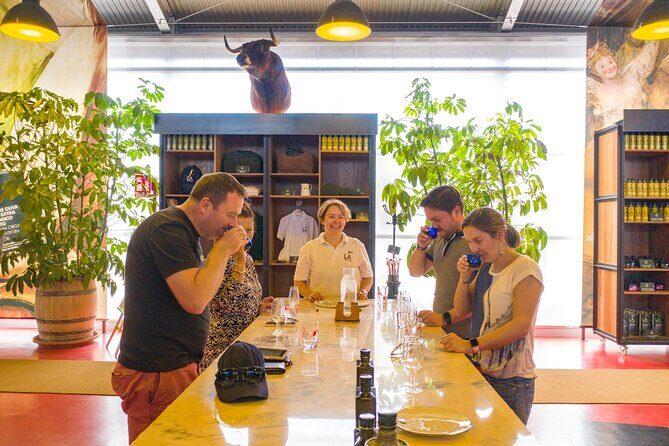
The first main stop is the greenhouse complex. This is where the tour sets the storyline, starting with a short five-minute video on the history and origin of olive oil and how production works.
I like this approach because it gives you a mental map before you start seeing steps in the real spaces. Once you’ve watched that short video, you’re better at noticing what each area is doing—how the property’s designed flow matches the production process.
Inside the greenhouse area, you’ll find multiple functions under one roof: an artisanal oil mill, a projection room, a gastronomic bar, a tasting room, and two terraces. That variety is useful. If your group has mixed interests—someone wants the tech, someone wants the view, someone wants something to eat—you can keep moving without feeling like the tour is one-note.
The terraces also make it easy to pause. Even if your tour is timed, you can quickly reset with a look out over the property before you continue.
Walking between olive groves and organic vineyards (with Starck surprises)
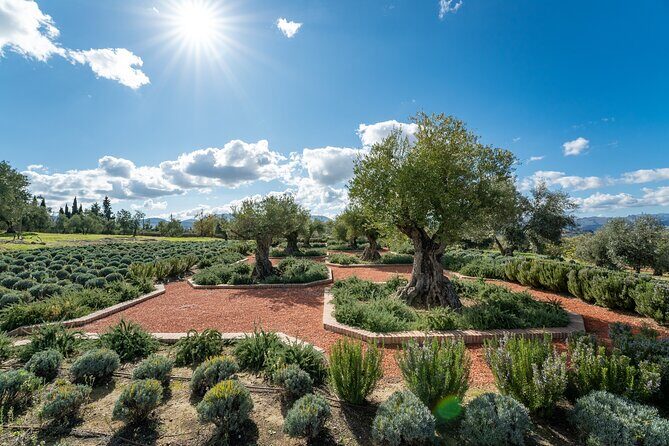
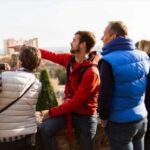
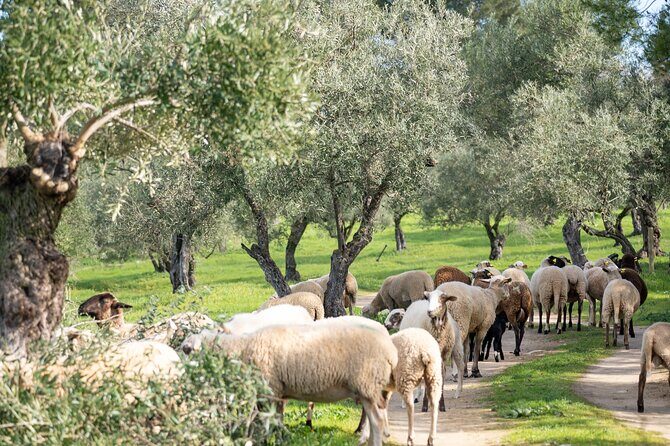
After the initial setup, the guided part takes you out between olive groves and organic vineyards. The point isn’t just exercise. The walk is where the experience connects “what olives need” to “why this oil tastes the way it does.”
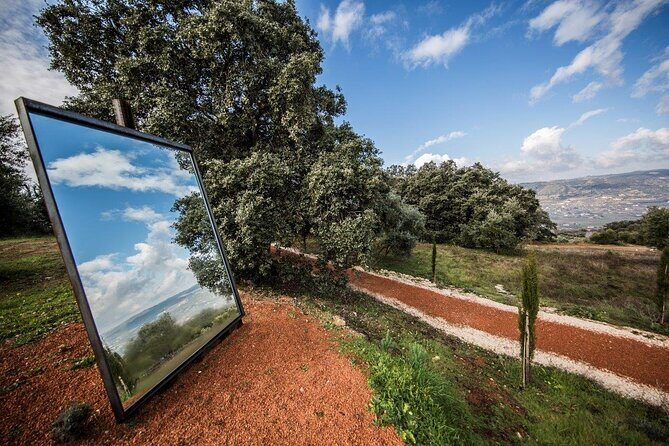
Along this route, the property includes several surprises linked to Philippe Starck. These are the moments that turn a production walk into something more memorable. Instead of passively looking at rows of plants, you’re noticing how the installations sit within the agricultural setting.
This stretch is also a good moment to ask questions, because you’re moving from broad concepts (history and basics) into real-world details (how the property is laid out, what grows here, and how organic methods fit into the bigger picture). If you’re the type who likes to understand before you taste, this is the segment that helps the tasting make sense.
One consideration: you’ll be out and about on-site, so weather matters. This experience is listed as requiring good weather.
The museum on-site: art context and extra time to look closely
There’s a museum component on the property, and you’ll have chances to spend time there. People tend to appreciate this because it adds depth without turning the visit into a long classroom session.
You’ll also find that the museum time isn’t locked into a single rushed moment. After tasting, there’s time to go back if you want to slow down and look at exhibits more carefully. That flexibility is rare in short tours.
One thing to keep in mind: the museum’s lighting and layout can feel different depending on where you are in the rooms. If you prefer bright, easy-to-navigate spaces, consider arriving with a “take it slow” mindset and move carefully in darker sections.
You can also read our reviews of more museum experiences in Malaga


The tasting: organic olive oil comparisons you can actually use
The tasting is the heart of the experience. You’ll finish the tour with an organic olive oil tasting featuring oil from different varieties of olives.
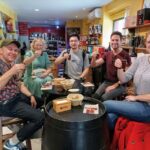
A key detail here: the tasting format can start with a blind tasting of two oils, then move on to tasting three oils with bread and vinegar. That structure helps you train your palate. Blind tastings reduce “label bias,” so you learn to pick up on what you’re tasting rather than what you assume you’re tasting.
The bread and vinegar pairing also gives you a reset and helps you compare oils side by side. It’s not about turning your lunch into a science lab. It’s about making differences clearer, so you can take those lessons directly into shopping later.
If you’re the type who usually grabs olive oil based on price or brand, this kind of comparison can change the way you read bottles. Even if you don’t become an olive-oil critic, you’ll likely walk away with more confidence choosing a bottle that fits how you cook.
Also, after the tasting, there’s room to linger. Some people like to stay around for time in the museum, shopping for oil, and enjoying the site’s relaxed vibe. There can be opportunities for wine and snacks as well, depending on what’s being offered during your visit.
Optional lunch after tasting: what it costs and what you get
If you want to turn this into a longer stop, there’s an optional country menu available after the oil tasting. It costs €20 per person.
The menu includes:
- Iberian assortment
- Iberian ham
- Payoyo cheese
- Garden salad
- Seasonal fruit
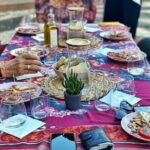
This is a practical add-on. You’re already on a working organic site that sells its own product, so pairing the tasting with a simple local meal keeps the whole experience coherent. If you plan to eat in Ronda after, though, you might skip this and keep your afternoon open for town sights and a casual tapa stop.
What it’s worth paying: $30.23 and what you actually get
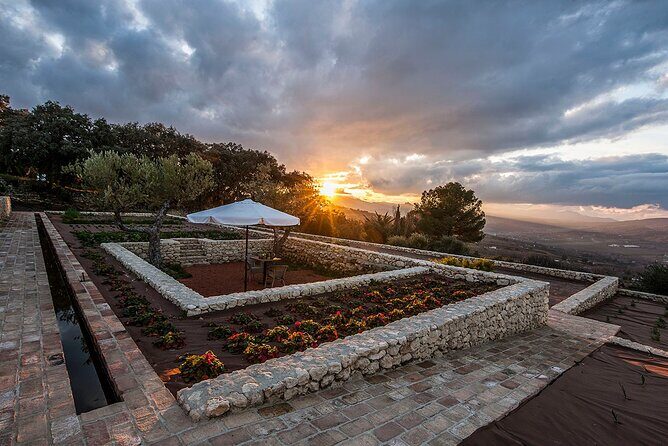
At $30.23 per person, the value here comes from what’s included. You’re paying for admission, a guided route between olive groves and vineyard areas, and the organic olive oil tasting. It’s not just a ticket to look at a building; you’re getting both the setting and the tasting.
Duration is also reasonable. With about 1 hour 15 minutes to 1 hour 30 minutes, you’re unlikely to burn half a day. That matters in a place like Ronda, where many people want time in the town for viewpoints, walking, and dinner planning.
One budgeting tip: plan on the tour fee as your baseline, then decide about lunch. The lunch is optional and clearly itemized in the information provided, so you won’t get stuck later wondering what you’re going to spend.
Who should book this (and who might want to skip it)
This works best if you:
- want a short, structured food experience in a real organic setting
- enjoy tastings and want a comparison format, not a single pour
- like the idea of combining agriculture with art design
- are visiting Ronda and want something doable alongside town time
You might think twice if you:
- prefer tours that are strictly one language throughout (this experience can include bilingual explanations)
- dislike walking outdoors or get bothered by different lighting conditions in museum areas
Should you book the Oil Mill Museum and Olive Oil Tasting in Ronda?
I’d book it if you want a focused olive-oil lesson you can take home. The setting is modern and intentional, the pacing fits well into a Ronda day, and the tasting format (including blind comparison) gives you more than just a quick sample.
If you’re chasing a working production demo where you see lots of machine action up close, you might feel the emphasis is more on the designed visitor experience and tasting than on constant on-site processing during the tour. Still, the combination of greenhouse intro, grove walk, museum time, and structured tasting makes it a strong stop for anyone who cooks with olive oil.
FAQ
How long is the LA Organic olive oil tasting tour in Ronda?
It runs about 1 hour 15 minutes to 1 hour 30 minutes.
Where does the tour start?
The meeting point is LA Almazara – LA Organic, Carretera Ardales Ronda A 367, KM 39,5, 29400 Ronda, Málaga, Spain.
How much does it cost per person?
The price is listed as $30.23 per person.
What’s included in the ticket?
Included are all fees and taxes, the route between olive groves and vineyard, and an organic olive oil tasting.
Is lunch included?
Lunch is not included. There is an optional lunch for €20 per person after the oil tasting, with a country menu.
What language is the tour offered in?
English is offered. Some groups may hear both English and Spanish explanations during the same tour.
Is there a maximum group size?
Yes. The tour/activity has a maximum of 30 travelers.
What if the weather is bad?
This experience requires good weather. If it’s canceled due to poor weather, you’ll be offered a different date or a full refund.
Can I cancel for a refund?
Free cancellation is available. You can cancel up to 24 hours in advance for a full refund.
Are service animals allowed?
Yes, service animals are allowed, and most travelers can participate.