REVIEW · MALAGA
Málaga: Carmen Thyssen Museum Ticket
Book on GetYourGuide →Operated by Museo Carmen Thyssen Malaga · Bookable on GetYourGuide
A palace visit with serious painting. The Museo Carmen Thyssen sits in the 16th-century Palacio de Villalón, built over earlier layers of Málaga, so you get art and architecture in one ticket.
I especially love the way the museum focuses on 19th-century Spanish and Andalusian art, with a strong sense of place. I also like that the included audioguide (English, Spanish, French, German, Italian) helps you read the galleries without feeling lost.
One drawback to plan for: phones aren’t allowed in the galleries, and the museum has strict rules that can slow you down if you’re used to photographing everything.
In This Review
- Key things to know before you go
- Museo Carmen Thyssen in Málaga: what you’re actually paying for
- The Palacio de Villalón: Málaga’s Renaissance architecture, up close
- Permanent collection highlights: Old Masters and Spanish painting styles
- Temporary exhibitions: what to check before you commit
- How the galleries flow on two floors (and how not to miss things)
- Audioguide experience: helpful, not overwhelming
- Rules that affect your comfort (and why they matter)
- What to do if you feel you might miss something
- Best for: who this museum suits (and who should think twice)
- Price and logistics: simple, but plan around timing
- Should you book the Museo Carmen Thyssen ticket?
- FAQ
- What is included with the Málaga: Carmen Thyssen Museum ticket?
- Where is the Museo Carmen Thyssen meeting point?
- How long is the ticket valid?
- What languages is the audioguide available in?
- Is the museum wheelchair accessible?
- Are cameras or video recording allowed inside?
- Can I use my phone in the galleries?
- Are bags and food allowed?
Key things to know before you go
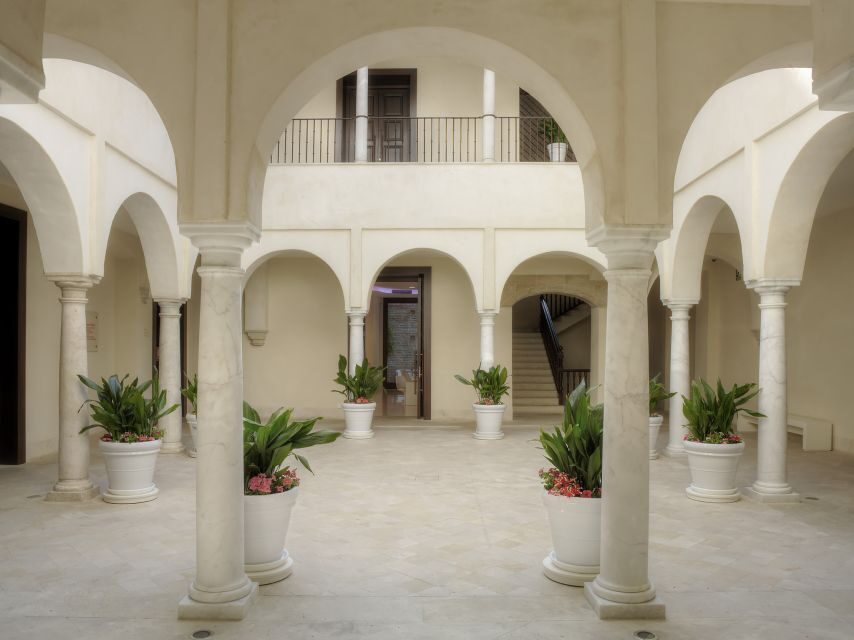
- Palacio de Villalón courtyard layout: 2 floors built around a central courtyard with arcaded galleries
- Major time period focus: a strong sweep of 19th-century Spanish painting, with special attention to Andalusia
- Old masters + later styles: you’ll see works that range across Spanish genres and recognizable movements
- Beautiful building details: carved wooden ceilings and supporting fretwork in key rooms
- Audio guide is included: multiple languages mean you don’t have to rely on tiny gallery labels
Museo Carmen Thyssen in Málaga: what you’re actually paying for
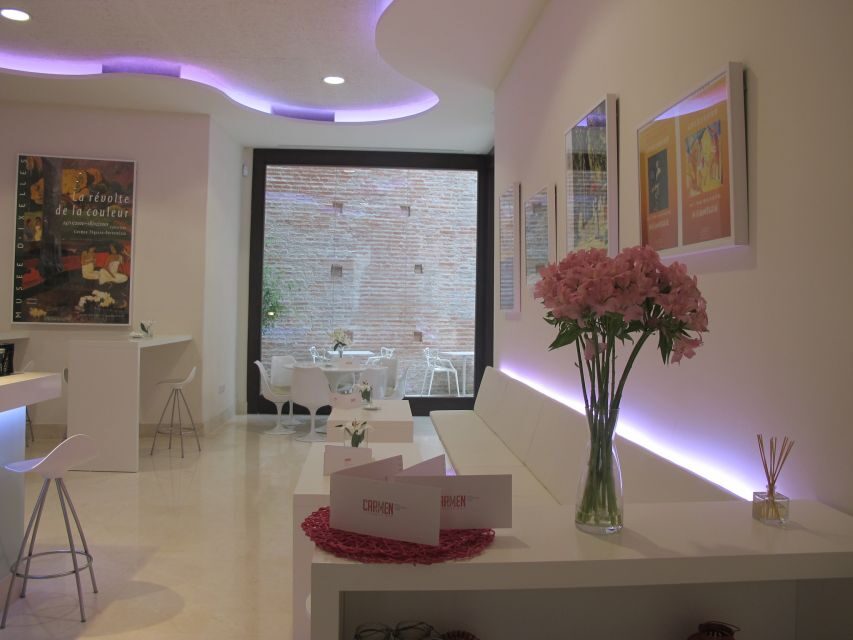
The ticket may look modest in price, but you’re really buying two experiences: access to a museum collection and entry into a restored Renaissance palace. The Museo Carmen Thyssen Málaga is housed in the Palacio de Villalón, a 16th-century building that matters just as much as what’s inside. Even before you start reading wall labels, the setting tells you this isn’t a generic “white box” museum.
For about $14 per person, you get entrance plus an audioguide, and you can choose to focus on the permanent collection, the temporary collection, or both (depending on what’s on when you visit). The museum is also designed for a self-paced visit, so you can linger over particular works without worrying about keeping up with a group.
One more practical angle: this is a museum where style matters. You’ll move through genres and changing tastes—from earlier “old masters” territory into later 19th-century Spanish and Andalusian painting—so it’s not just about seeing pretty pictures. It’s about seeing how Spanish art developed, and how Andalucía fits into that story.
You can also read our reviews of more tours and experiences in Malaga


The Palacio de Villalón: Málaga’s Renaissance architecture, up close
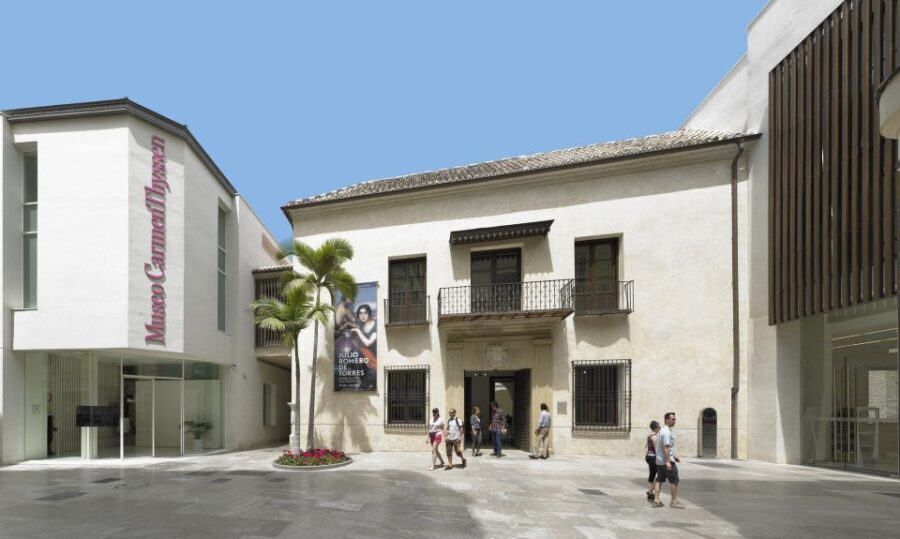
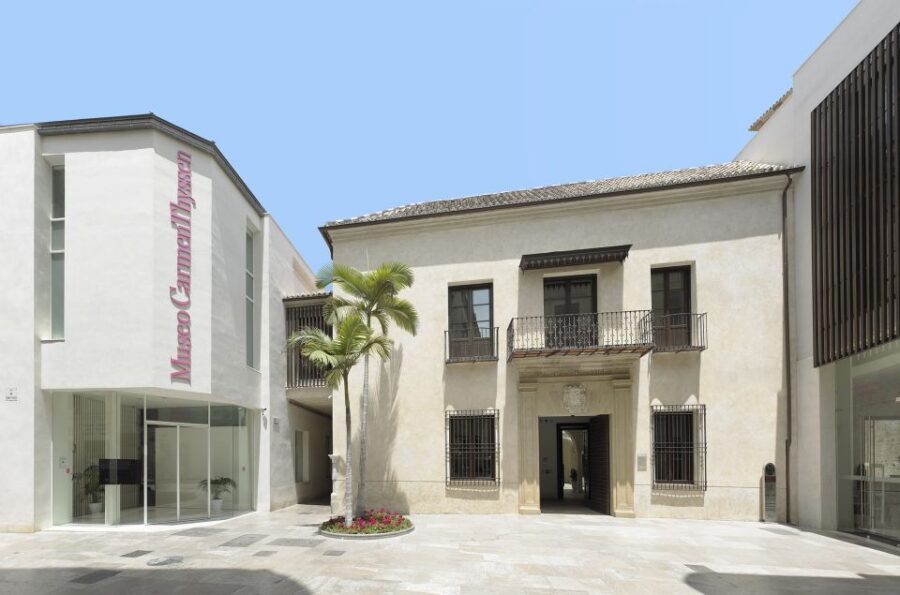
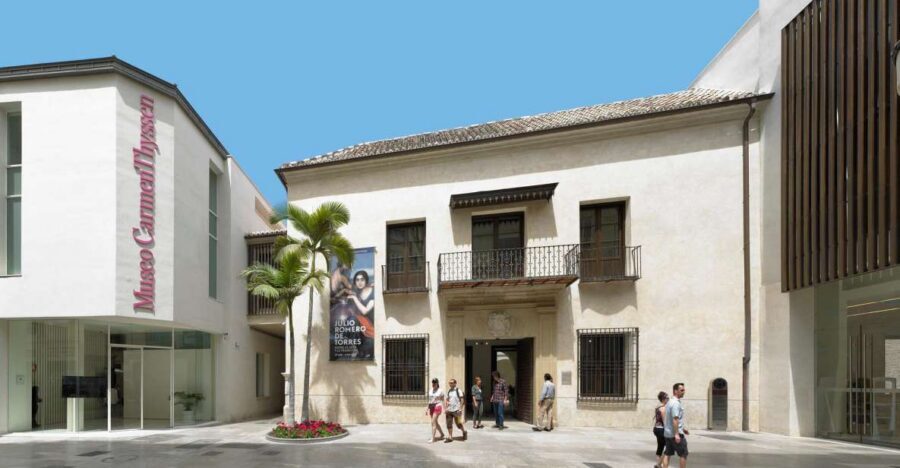
Start at the Fundación Palacio de Villalón, at C/ Compañía 10, 29008 Málaga. The palace is famous for its Renaissance architecture, and the museum does a smart job letting the building be part of your visit rather than a backdrop.
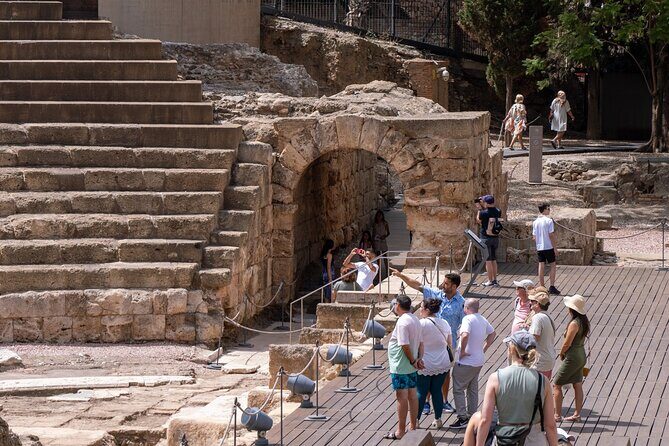
The palace sits over older remains, including layers tied to Málaga’s Roman past and within the old Moorish quarter. Restoration aimed to recover the original layout, then added newer spaces in a way that stays quiet rather than fighting the historic structure. In other words, the building looks old because it is old, and the modern museum additions don’t feel like an afterthought.
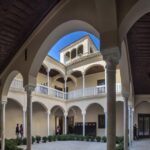
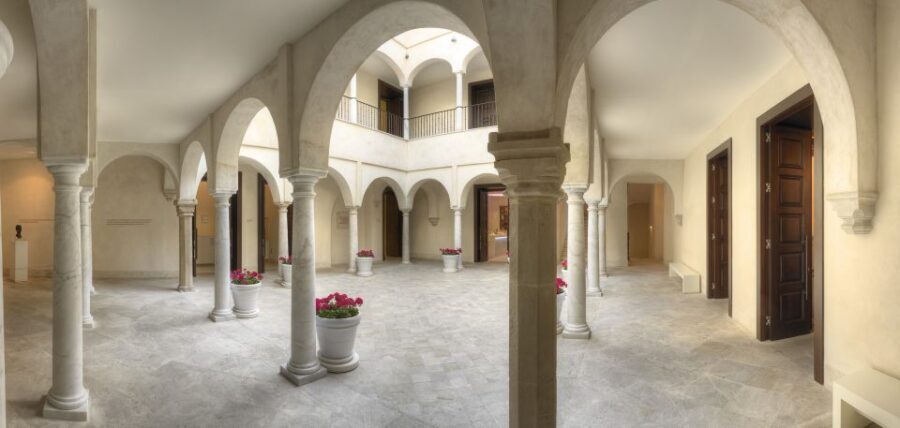
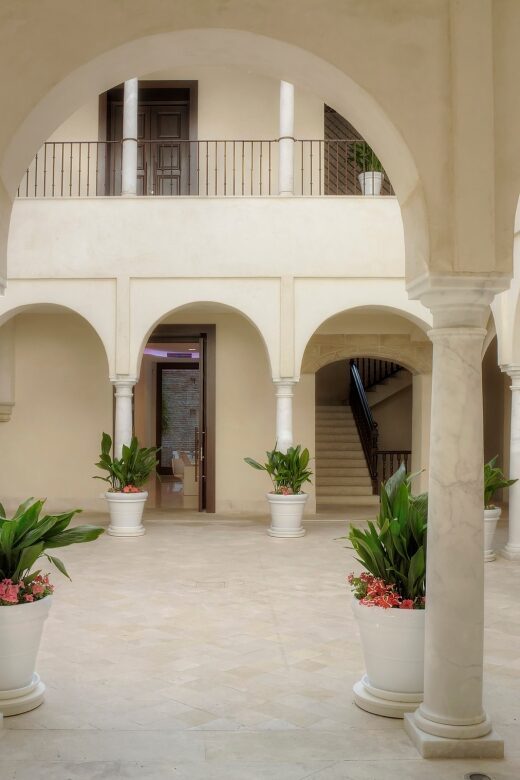
Inside, the layout is easy to follow. Galleries are arranged over two floors around a central courtyard, and you’ll move through arcaded galleries that keep the space feeling airy. If you like architecture, pay attention to the carved wooden ceilings and the supporting fretwork in the main rooms—those details help you shift your brain from “museum mode” into “this is a real house” mode.
A useful tip: give yourself a short moment in the courtyard before you rush into galleries. It helps you understand where you are, and it makes the later room-to-room changes more satisfying.
Permanent collection highlights: Old Masters and Spanish painting styles
The museum’s collection draws from the Carmen Thyssen-Bornemisza holdings, and the focus is broad but not random. The big idea is a survey of 19th-century Spanish painting genres, with an especially strong emphasis on Andalusia. If you’ve only seen a few Spanish names, this is where you start connecting dots.
One highlight is the presence of “old masters” material in the mix. Some rooms also display 17th-century Spanish paintings, and that helps you understand what later artists inherited—styles, subject matter, and the expectations of the time.
Then you move into the main pleasure zone: styles and movements that people often hear about but rarely see explained in one place. In the galleries, you may encounter examples described around Precieuz style, Naturalist work, and Romantic scenes. Even if you don’t know art-history terms, the museum’s selection gives you enough context through the way the works are grouped.
If you like the “small stuff,” you may enjoy focusing on brushwork and details. One visitor experience that matches what this collection is good for: being surprised by how much craft is packed into smaller paintings. The museum can reward slow looking, especially when you pause on faces, fabric, or the way a sky is handled in Romantic works.
Temporary exhibitions: what to check before you commit
You can plan your visit around the permanent collection, and that alone is a solid reason to go. But temporary shows can be the reason you’re glad you bought the ticket for your specific date.
A recent visitor mentioned a special exhibition of Sorolla, and that’s a good example of the kind of bonus you might get depending on the calendar. You won’t want to assume a Sorolla show is always running, but it’s worth checking what’s currently on view so you can decide whether you want a quick skim or a deeper stay.
The key point: since your ticket is valid for one day, timing matters less than making sure you’re present when the extra exhibition is actually running.
How the galleries flow on two floors (and how not to miss things)
Because the palace is organized with two floors around the courtyard, your visit will naturally “loop.” You’ll typically orient on the ground level first, then work upward to continue your view of the collection. The museum includes both permanent and temporary exhibition spaces across those levels, so your path depends on what you’re prioritizing.
A detail worth knowing: some upper-floor rooms include religious paintings from earlier centuries (including 15th and 16th-century works, depending on the displays). That’s not what everyone expects when they think “Thyssen museum,” so it can be a pleasant surprise if you like variety and historical crossovers.
Also, there’s a big difference between rushing through and actually using the audioguide. With an audioguide, you can pick a few paintings to “follow” rather than trying to absorb everything. The museum’s strengths come through when you choose an angle—Andalusia, romantic subjects, Spanish genre scenes—and then let the audioguide connect the dots.
You can also read our reviews of more museum experiences in Malaga



Audioguide experience: helpful, not overwhelming
The audioguide is included, and that’s a big value point. It’s available in Spanish, English, French, German, and Italian, which makes it easy to match your comfort level. For a museum like this—where styles can shift quickly across centuries—having spoken context is often more useful than trying to read tiny labels while standing still.
One review noted that a small guide to the collection was informative enough to feel like a good souvenir. Even if you skip any extra booklet, the included audioguide does the job of making the collection feel less like names on walls and more like a story.
A practical caution: don’t rely on your phone in the galleries. Mobile phones aren’t allowed in the museum galleries, and the museum also forbids cameras and video recording. Plan to use the audioguide only, and treat your hands-free time as part of the experience—less screen time, more looking.
Rules that affect your comfort (and why they matter)
Museums with strict policies can feel annoying at first, but here it’s mostly about protecting the artwork and keeping galleries calm.
You’ll want to follow these limits:
- No cameras and no video recording
- No cellphones in the galleries
- No food and drinks
- No large bags over 80 x 50 cm
- Don’t touch artworks, and avoid anything that could damage them
- Smoking isn’t allowed, and animals other than guide dogs are prohibited
The practical impact: if you’re visiting with a lot of gear, it can slow you down sorting bags. If you can, pack light. Wear suitable museum clothes, since you’ll be walking inside and moving between rooms and levels.
What to do if you feel you might miss something
One downside that showed up in visitor feedback is the feeling that the visit might be worth more if you slow down. That happens when you move too fast or when captions are hard to read.
A specific complaint: some gallery captions may be too small, making visitors lean over security lines to read. That can break the flow, especially if you’re trying to compare details across multiple works.
Here’s how to manage that:
- Use the audioguide to anchor you when text is hard to see
- Stop for a moment before moving on, instead of scanning quickly
- Pick a handful of works you really want to “get” and let the rest be discovery rather than homework
If you’re the type who loves art but hates reading labels, the audioguide is your best friend here.
Best for: who this museum suits (and who should think twice)
This is a great stop if you want Spanish and Andalusian art with strong context and you like collections that show how taste changes over time. It’s also ideal if you care about buildings as much as paintings, because the Palacio de Villalón is a major part of the experience.
You’ll probably enjoy it most if you:
- like 19th-century Spanish painting genres
- want a focused look at Andalusia’s place in Spanish art
- don’t mind museum rules and can visit without constant photos
- appreciate a slower, guided-by-audio pace
You might hesitate if you’re expecting something that feels strictly modern or “interactive.” This is a palace museum with traditional galleries, and you’ll get the best experience by looking carefully rather than rushing.
Price and logistics: simple, but plan around timing
At around $14 per person, you’re paying for entrance into a Renaissance palace museum plus an audioguide. That makes it one of the more sensible ways to spend time in Málaga if you want art in a setting that feels authentic.
The ticket is valid 1 day, and starting times vary—so check availability for the time you want. Because the museum is self-paced, you don’t need a complicated schedule. You just need to show up and choose how deep you want to go.
One more note: the activity ends back at the meeting point, so you’re not dealing with transfers or complicated drop-offs.
Should you book the Museo Carmen Thyssen ticket?
If you like art but also want a real Málaga setting, I’d book this. You’re getting the Palacio de Villalón experience, plus a collection built around 19th-century Spanish and Andalusian painting genres, with audioguide support to help you connect what you’re seeing.
Book it if:
- you want a strong museum visit without needing a lot of extra planning
- you’re interested in Spanish art styles like Romantic and Naturalist
- you’d enjoy spending real time inside a restored historical palace
Skip it (or go with lower expectations) if:
- you must take lots of photos (the no-camera and no-phone rules will frustrate you)
- you prefer very modern, interactive museums
- you tend to skim fast and don’t use audio or captions
In most cases, this ticket is a smart use of time: one entry price, a building with personality, and an art collection that rewards both curiosity and patience.
FAQ
What is included with the Málaga: Carmen Thyssen Museum ticket?
The ticket includes entrance to the Carmen Thyssen Museum and an audioguide.
Where is the Museo Carmen Thyssen meeting point?
The start point is Carmen Thyssen Museum, Fundación Palacio de Villalón, C/ Compañía 10, 29008 Málaga. The activity ends back at the meeting point.
How long is the ticket valid?
The ticket is valid for 1 day. Starting times depend on availability.
What languages is the audioguide available in?
The audioguide is available in Spanish, English, French, German, and Italian.
Is the museum wheelchair accessible?
Yes. The activity is listed as wheelchair accessible.
Are cameras or video recording allowed inside?
No. Cameras and video recording are not allowed.
Can I use my phone in the galleries?
No. Mobile phones are not allowed in the galleries.
Are bags and food allowed?
Food and drinks are not allowed, and bags over 80 x 50 centimeters are not allowed.