REVIEW · MALAGA
Málaga: 3-Hour Complete Walking Tour with Tickets
Book on GetYourGuide →Operated by Málaga a Pie · Bookable on GetYourGuide
Three Málaga landmarks in three hours can feel efficient. This tour works because it links fast-track tickets with a live guide who brings the Roman and Moorish layers to life. Guides such as Fabiola, Maria, Yado, and Dani are often cited for keeping the pace easy and the storytelling fun. One consideration: the route climbs and involves uneven ground, so it’s not suitable for mobility impairments.
You start at the Pirámide de Cristal on Calle Alcazabilla, look for the orange umbrella, then gradually move from Roman ruins to Moorish fortifications to the unfinished cathedral silhouette locals nickname La Manquita. If you’re short on time, this is a strong way to get your bearings fast and see the big “why” behind Málaga’s old city.
In This Review
- Key highlights at a glance
- Meet at Pirámide de Cristal: the easiest way to start
- Roman Theatre: Malacca’s 1st-century bones in the open
- Alcazaba walk-up: fortifications, palaces, and real viewpoints
- Historic-center stroll: linking big sights with real streets
- Cathedral of the Incarnation: La Manquita and the story of unfinished stone
- Price and value: what $37 buys in real time
- Pace, comfort, and what to pack
- Should you book this Málaga walking tour?
- FAQ
- Where do I meet the guide?
- How long is the tour?
- Which attractions are included with entry tickets?
- Is the tour available in English?
- Does the tour skip the lines?
- Is the tour refundable if my plans change?
Key highlights at a glance
- Fast-track entry at the Roman Theatre, Alcazaba, and Cathedral to cut down line time
- Alcazaba views from the slopes of Gibralfaro, with plenty of photo moments
- Roman Theatre context for Malacca’s 1st-century presence and why it stayed hidden for centuries
- Historic-center walking that ties monuments to everyday Málaga spots like El Pimpi and the Picasso Museum area
- Humor and pacing often praised in English and Spanish guide delivery
Meet at Pirámide de Cristal: the easiest way to start
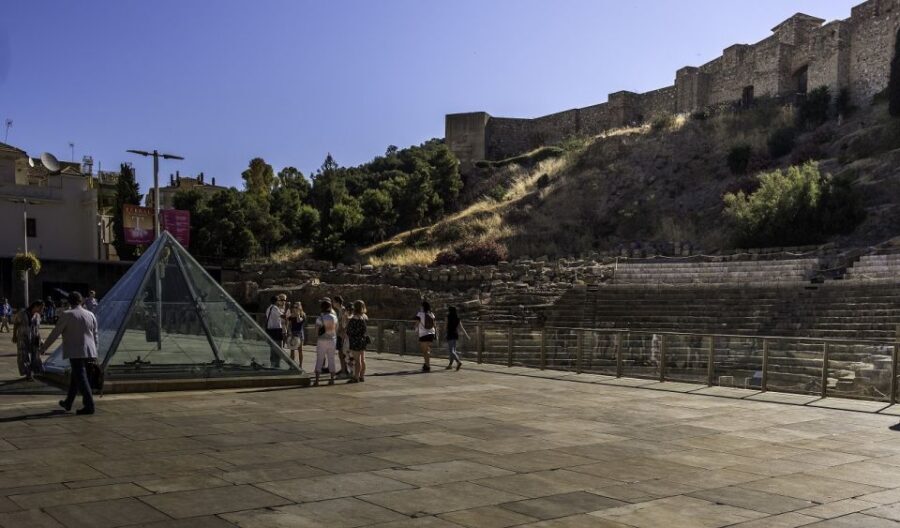
The tour meeting point is easy to spot once you know the trick: go to Calle Alcazabilla and find the glass pyramid, the Pirámide de Cristal, with the guide holding an orange umbrella. Arrive a few minutes early. Málaga’s center can be crowded, and on busy days you may notice other umbrella colors nearby—so take a second to confirm you’re with the right group before you start walking.
From the first minutes, you’re not just moving from one ticketed site to the next. You’re getting a guided thread: Roman Málaga leads into Moorish rule, which leads into a Christian city center that never stopped evolving. That “through-line” is what makes a short walking tour feel bigger than the clock.
You can also read our reviews of more tours and experiences in Malaga



Roman Theatre: Malacca’s 1st-century bones in the open
Your first guided stop is the Roman Theatre, with about 30 minutes on-site. This isn’t a generic ruin. It’s the main preserved vestige of the Roman city of Malacca, built in the 1st century. The tour focus here is not only what you see, but why it matters—especially the fact that it remained underground for several centuries.
That underground-to-above-ground detail changes how you look at the stones. You start noticing how much of history can be “stored” and then re-emerge when conditions allow. The guide’s job is to point out the shapes and spaces you’d otherwise pass over quickly, and to explain how a theatre fit into Roman life.
Practical note: even though the Roman Theatre visit is fairly contained, you’ll still be walking on foot between stops. Comfortable shoes matter more than you think, because these sites sit on different levels in the old city.
Alcazaba walk-up: fortifications, palaces, and real viewpoints
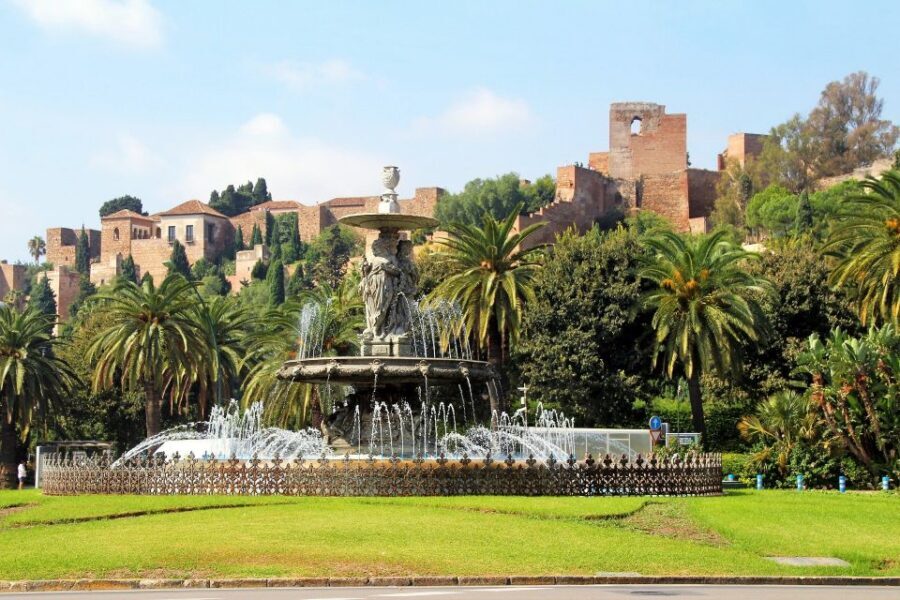
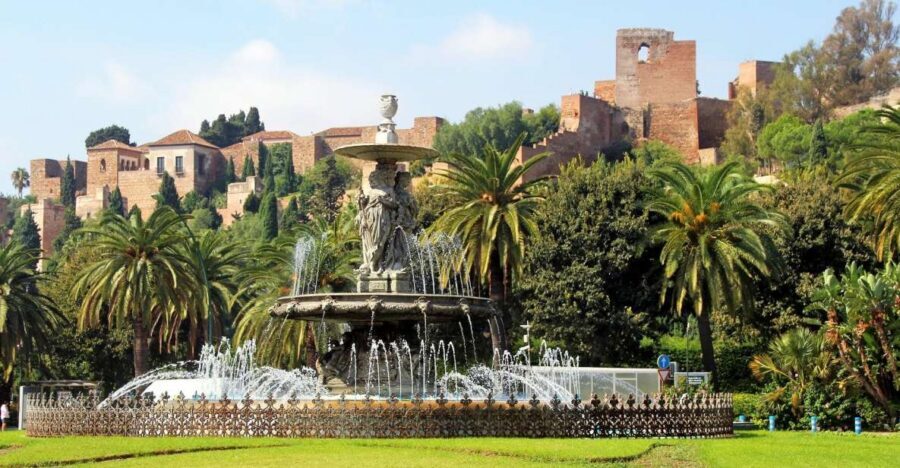
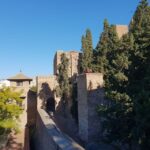
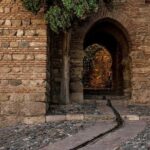
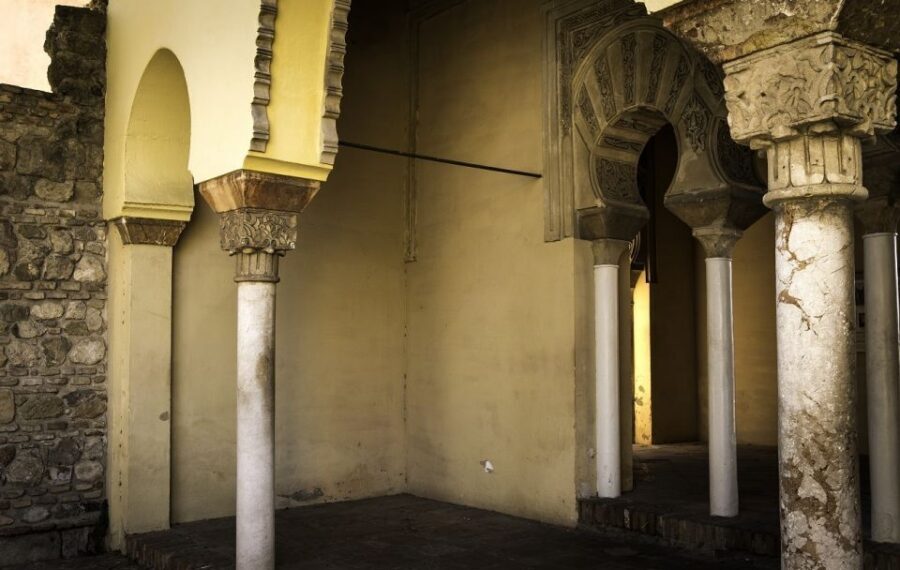
Next comes the star climb for most people: the Alcazaba of Málaga, around 45 minutes with a guided visit. This 11th-century palatial fortification is on the slopes of the Gibralfaro mountain. The tour frames it as a defensive powerhouse—one of the best defensive constructions of its time—and that context helps you read the walls instead of just admiring them.
What I like about this stop is the balance between structure and atmosphere. You get the “why” behind the layout and the “what it feels like” when you’re up there. Then you earn the payoff: panoramic views over Málaga. Even if you’ve seen photos before, the viewpoint from the Alcazaba is different when you’re standing there, because you can connect the city grid below to the hills around it.
One practical consideration: this is the part of the tour where walking feels most active. You’re on a hillside, and you’ll want to keep your footing steady. If you’re visiting in hot weather, plan to take it slower than you think you need to—your guide’s pace is usually unhurried, but the terrain still sets the tempo.
Historic-center stroll: linking big sights with real streets
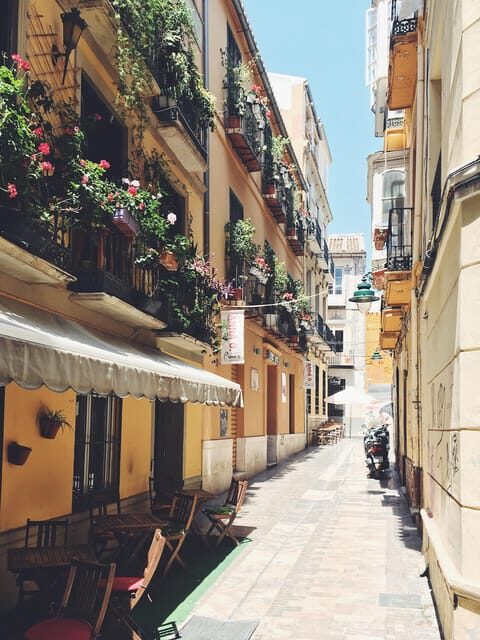
After the fortifications, the tour turns into a guided wander through Málaga’s historic centre. This is where you feel the city as a place, not just a checklist of monuments. The route includes emblematic stops you’ll recognize even if you haven’t planned for them ahead of time—such as the Bodega Bar El Pimpi and the area connected with the Picasso Museum of Málaga.
You’ll also hear how the city’s layers overlap. The guide tends to connect what you’re looking at now with what came before: Roman-era presence, Moorish influence in fortification and city form, and then the Christian-era shift that shaped the centre you walk through today.
This section is one reason the tour works for first-time visitors. You’re not only spending time inside ticketed sites. You’re also learning where things sit in relation to one another, so your later self-guided strolls make more sense.
A small heads-up on sound: the tour may use audio equipment for groups over 10 people. So if you get a headset, use it. If you don’t, stand closer to the guide and keep your eyes up—visibility helps you catch jokes and side stories. Several people praised the guides’ humor, so don’t miss those moments.
Cathedral of the Incarnation: La Manquita and the story of unfinished stone
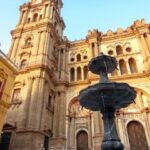
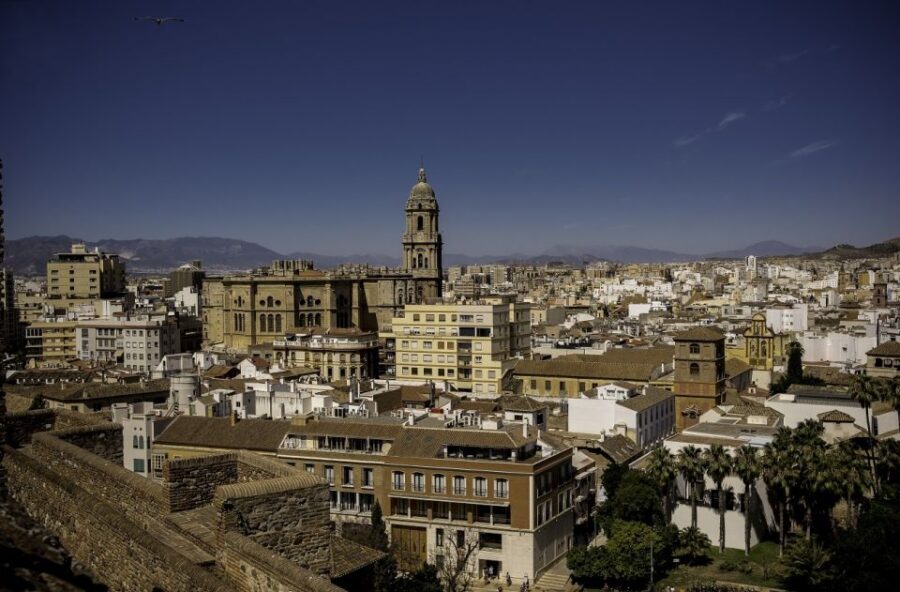
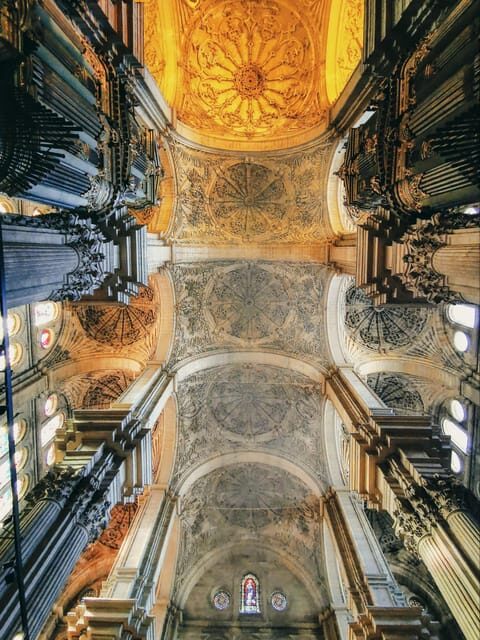
The finish line is the Cathedral of the Incarnation, known in Málaga as La Manquita. The nickname comes from the visual idea of it being incomplete, and the tour explains why: construction was never finished, and it’s closely linked to the pre-existence of the Great Mosque.
This stop is a good example of why a guided tour beats a solo wander here. The cathedral’s exterior and interior details land differently when you understand what was built, what was interrupted, and what had to be adapted because an earlier structure already existed.
The tour ends at the cathedral, and that timing works well. By the time you reach La Manquita, you’ve already “trained your eye” on layers of rule and design—Roman, then Moorish, then Christian. The cathedral then becomes the logical last chapter, rather than a random monument at the end.
One more practical note: if the cathedral area has a ceremony or limited access at your time slot, your guide may adjust the plan and add extra city time, then try to circle back afterward. That kind of flexibility keeps the tour from feeling cut short if something changes on the day.
You can also read our reviews of more walking tours in Malaga



Price and value: what $37 buys in real time
At about $37 per person for roughly 3 hours, the value comes from three ingredients working together:
- Tickets are included for the Alcazaba, Roman Theatre, and Cathedral. You’re not paying separately for each entry.
- Fast-track entry helps you spend more time seeing and listening, less time waiting.
- A live guide shapes the visits, which is the difference between reading stone plaques and understanding what you’re looking at.
This isn’t the kind of tour where you only get a quick look at each site and then move on. You get guided time at the Roman Theatre and Alcazaba that’s long enough to absorb the main story beats. Then the historic-center walking gives you context that helps you enjoy Málaga after the tour ends.
If your itinerary is tight, this price also feels fair because the tour is designed to concentrate the core highlights into one outing. If you were to DIY it, you’d spend more time coordinating entries and figuring out the connections between monuments.
Pace, comfort, and what to pack
The tour’s stated duration is about 3 hours, and many people highlighted that the walking pace feels unhurried. Still, keep expectations honest: it’s a walking tour with meaningful climbs, especially at the Alcazaba.
Here’s what helps most:
- Wear comfortable shoes with solid grip.
- Bring water, especially in warm seasons. Shade can be hit-or-miss as you move between viewpoints and streets.
- Plan to take breaks only when your guide allows for regrouping; the tour’s flow is built around keeping everyone on track.
If you’re trying to photograph a lot, set your phone to save time on swapping modes. Also, give yourself a few seconds to step aside at viewpoint spots so you don’t block others. The Alcazaba views are the big photo moment, but the best shots come when you move calmly rather than rushing.
Should you book this Málaga walking tour?
Book it if:
- You want the big three: Roman Theatre, Alcazaba, and La Manquita in one efficient loop.
- You care about how Málaga became Málaga, not just about pretty walls.
- You appreciate guided humor and clear storytelling (many guides are praised for mixing facts with entertaining delivery).
- You’d rather pay for fast-track access than spend your limited time in queues.
Skip it (or choose a different plan) if:
- You need step-free access. The tour is explicitly not suitable for people with mobility impairments.
- You dislike uphill walking or uneven ground. The Alcazaba section can be more active than it sounds.
- You prefer total freedom with no group structure. This tour has a clear arc and set guided timings.
If you’re arriving in Málaga for the first time and you want a smart starting point, this tour is a solid bet. It gives you tickets, a guide, and enough context to turn later strolls into something you actually understand.
FAQ
Where do I meet the guide?
Meet at the Pirámide de Cristal on Calle Alcazabilla. Look for the guide with the orange umbrella.
How long is the tour?
The tour lasts about 3 hours.
Which attractions are included with entry tickets?
Entry is included for the Roman Theatre, the Alcazaba, and the Cathedral of the Incarnation (La Manquita).
Is the tour available in English?
Yes. The live guide offers English and Spanish.
Does the tour skip the lines?
Yes. It includes fast-track entry through a separate entrance.
Is the tour refundable if my plans change?
There is free cancellation up to 24 hours in advance for a full refund.