REVIEW · MALAGA
English Cemetery Tour
Book on GetYourGuide →Operated by LUPYTOURS · Bookable on GetYourGuide
The English Cemetery in Málaga is small, and it hits hard. You’ll walk among tombs and garden paths and come away reading the past like it’s written for you. I love how the guide turns headstones into clues, not just old stone, and I especially like the way the symbolism clicks after a few stops.
Two things I’d call out fast: the tour teaches you how to read funerary images (so you’re not just looking at angels and crosses), and you get a guided, story-driven route that includes famous names and tragedies. A possible downside is that the site has slopes and terraces, so comfortable shoes matter, and it’s not set up for wheelchair users.
If you’re the type who likes your sightseeing with context, this one is a good fit. The guide I heard most about, Loli, is described as close, attentive, and funny, and that tone really helps the stories land. Just go in ready to walk steadily and take in details.
In This Review
- Key highlights you’ll remember
- Why this cemetery tour feels different from typical sightseeing
- Start at the gate: the intro that gives the whole place meaning
- Terraces and courtyards: learning what different burials signal
- Robert Boyd and the Gneisenau: when tragedies shape the stones
- Funerary symbolism workshop: angels, crosses, and small clues
- The garden feel: beauty that doesn’t erase the sadness
- Practical info that helps you enjoy the tour
- Price and value: why $11 works here
- Who should book this English Cemetery Tour?
- Should you book it? My take for a smart decision
- FAQ
- Where does the English Cemetery Tour start?
- How long is the tour?
- Is the entrance fee included?
- What language is the guide?
- Do I need to bring anything?
- Is food included?
- Are pets allowed?
- Is the tour refundable if I cancel?
Key highlights you’ll remember
- The first English cemetery in Spain, right here in Málaga, with its story told on foot
- Terraces and courtyards that make it feel like a living “city of the dead”
- Tragic stories tied to real figures, including Robert Boyd and the sinking of the frigate Gneisenau
- Symbol spotting with specific details you’ll learn to interpret (like the memorial bench, red poppy, and Celtic crosses)
- The Angel of Anna, often singled out for how beautifully the cemetery communicates emotion in stone
- A finish at Casa del Guarda so you leave with a clear sense of the full layout
Why this cemetery tour feels different from typical sightseeing
English cemeteries in Spain aren’t what most people come to Málaga for. That’s exactly why this works. You’re not just touring “a place where people are buried.” You’re touring a cultural footprint: how one community wrote its identity and memories into stone, plants, and symbols.
What makes it satisfying is that the tour doesn’t treat the cemetery like a museum of random monuments. It helps you connect the dots between families, prominent figures, and the particular language of burial design. The result is that you start noticing patterns—repeated symbols, design choices that change by person or family, and details that look decorative until you understand what they mean.
Also, the experience is guided and structured. You’re not stuck wandering and guessing. You get a route that moves through terraces and courtyards, and each stop has a point.
You can also read our reviews of more tours and experiences in Malaga.



Start at the gate: the intro that gives the whole place meaning
You’ll begin at the Cementerio Inglés de Málaga, meeting the guides at the meeting point with blue umbrellas. That’s useful because cemeteries can be confusing if you arrive on your own and start looking around without orientation.
Before you go deeper, expect a brief historical introduction—especially around the cemetery’s tragic beginnings. This matters more than you might think. Cemeteries are visual, but they’re also emotional and political. The guide’s opening frames why these graves exist, why certain figures matter, and what stories you’ll be hearing as you walk.
Then you’re off through the layout. You’ll likely stop for photos along the way, but the tour stays focused on walking and guided interpretation rather than turning into a long, unfocused stroll.
Practical tip: show up with your head clear. This is a place where you’ll get asked to notice small things—so being tired or distracted makes it harder to catch the symbolism.
Terraces and courtyards: learning what different burials signal
As you move through the terraces and courtyards, the guide highlights the types of burials and the prominent families and figures tied to the city. This is where the cemetery starts to feel like a narrative.
You’ll hear questions like: who was the first person buried, and why that early burial mattered. You’ll also get answers about names that show up in monuments—like William Mark—and the significance of the way his memorial is presented.
This part of the tour is also where you begin to separate what looks similar at first glance. Two stones might share an overall shape, but the symbolism and placement can tell you something different. The guide encourages you to see the cemetery as “created by the living,” not just a record of the dead.
One of the best values here is that you don’t need prior knowledge. The tour is designed to help you interpret what you’re seeing while you’re seeing it—so you get results immediately, not later after reading online.
Robert Boyd and the Gneisenau: when tragedies shape the stones
Certain stories in this cemetery are tied to real events and real people, and the guide brings them up in a way that connects grief to design.
You’ll learn about Robert Boyd and the circumstances behind his place in the cemetery’s story. You’ll also hear the tragic account connected to the sinking of the frigate Gneisenau.
Why does this matter to you as a visitor? Because once you understand that specific monuments aren’t just “old,” they start behaving like historical documents. A symbol that seemed decorative becomes a marker of an event, a person, or a community response.
The tour’s tone helps here. It’s not just names read off a page. The guide explains the story enough that you can feel why the cemetery uses particular visual language—certain motifs, certain memorial styles, and certain details that people chose on purpose.
If you like history but get impatient with lectures, this is a good balance. Stories are short, targeted, and tied directly to what you’re standing in front of.
Funerary symbolism workshop: angels, crosses, and small clues
This is the portion I’d most recommend to anyone who likes meaning in details. You’re not just looking at grave markers—you’re learning what to look for.
The tour walks you through a wide variety of funerary symbolism, including the Celtic crosses that you’ll spot among the monuments. These crosses aren’t just “nice decorations.” In a cemetery context, they’re identity signals, religious or cultural statements, and visual messages meant to be understood.
Then there’s the standout: the Angel of Anna. This angel isn’t treated like a generic statue. The guide focuses attention on how the cemetery communicates emotion through that figure, and you’ll get a sense of why it becomes a memorable stop.
Other details you’ll be guided to interpret include:
- The memorial bench (and what it’s there to represent)
- The red poppy (and what that symbol is meant to convey)
This is also where the tour’s value is more than entertainment. One guide-led review I saw highlighted learning symbolism and getting better at interpreting images on the tombs. That’s exactly what you want from a short tour: skills you can use immediately while you’re still in the cemetery.





The garden feel: beauty that doesn’t erase the sadness
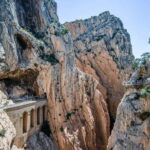
A cemetery can be peaceful, and Málaga’s English Cemetery leans into that. The tour includes time to notice the spectacular garden and the way the terraces and courtyards create a gentle rhythm to the walk.
This matters because beauty can trick you into skipping the deeper parts. The guide helps you keep both in your mind at once: the garden layout is part of the experience, but it’s also a frame around memory and loss.
You’ll likely take in views during photo stops. Bring your umbrella if the weather is uncertain. The tour encourages comfort, and it’s practical about it: you’ll be on slopes and terraces, so your pace matters.
Also, don’t overpack your expectations. This is not a quick “see-and-leave” photo run. It’s more satisfying when you slow down for a few minutes at each meaningful monument.
Practical info that helps you enjoy the tour
Here are the nuts and bolts you’ll want before you go, so you don’t spend your energy figuring things out on-site.
- Price: $11 per person is the main headline, and for a guided, entrance-included tour it’s strong value. You’re paying for interpretation, not just access to the cemetery.
- Duration: it’s described as 1 day, but the walking and guided component is about 2 hours on-site. Plan for a real half-day pace, not a quick 20-minute stop.
- Language: the live guide speaks Spanish. If you’re comfortable following Spanish explanation, you’ll get the most out of the symbolism talk.
- What’s included: the cemetery entrance is included, and you skip the ticket line.
- What’s not included: no food is provided. Bring water.
What to bring:
- Comfortable shoes (the ground has slopes and terraces)
- Umbrella
- Water
A couple of “don’t bring” notes that can surprise people:
- No pets
- No drones
- Avoid waterproof cameras and glass objects (the rules list waterproof cameras and glass objects as not allowed)
- Don’t plan for food or drinks in any vehicle (and no alcohol/drugs)
If you’re the type to love museums, you’ll probably appreciate the structure. If you’re the type to get bored in guided groups, pick this only if you enjoy stories and visual symbolism.
Price and value: why $11 works here
Let’s talk value, because $11 can mean very different things depending on the experience.
Here, the price covers a few key things that add up:
- Entrance is included, so you’re not paying twice
- You skip the ticket line
- You get a guided explanation that teaches you how to read the cemetery’s imagery—things like the memorial bench, red poppy, Celtic crosses, and the Angel of Anna
That last part is the hidden value. Anyone can walk among tombs. The real payoff is learning what those tomb details communicate. When the guide helps you interpret symbols and images, you start seeing more than the average passersby.
And because the tour is about 2 hours, it’s not an all-day commitment. It fits well into a Málaga itinerary without stealing an entire morning or afternoon.
Who should book this English Cemetery Tour?
I think this tour is best for you if:
- You like history but want it delivered through stories tied to what you see
- You enjoy decoding symbols in art and monuments
- You want something unusual that feels personal, not generic
You might want to skip it if:
- Mobility is a concern. The site has slopes and terraces, and it’s not suitable for wheelchair users.
- You dislike walking with frequent stops. It’s not designed as a sit-and-listen lecture; you’ll be moving through terraces and courtyards.
- You want a silent, contemplative visit. This is guided and talk-based.
If you speak Spanish or you’re comfortable following Spanish, you’ll get the maximum benefit. The guide Loli stands out in descriptions as close and fun, which helps when you’re learning symbolism that could otherwise feel heavy.
Should you book it? My take for a smart decision
Book it if you want your Málaga visit to include something truly different—an English cemetery in Spain where the stones explain themselves once someone points the way. For the $11 price, you’re buying interpretation, context, and a focused walk that makes a cemetery feel readable instead of overwhelming.
Pass if you’re expecting a fully accessible, leisurely stroll with minimal walking. Also pass if you need a non-Spanish experience. This one is designed for Spanish-language guidance.
If you can handle slopes, bring water and comfortable shoes, and go in curious about symbols and stories, you’ll likely leave thinking about the cemetery long after you’ve walked out.
FAQ
Where does the English Cemetery Tour start?
The tour starts at Cementerio Inglés de Málaga. The guides meet you at the entrance area with blue umbrellas.
How long is the tour?
It’s listed as a 1-day activity, with the on-site guided walking portion described as about 2 hours.
Is the entrance fee included?
Yes. Cemetery entrance is included in the price, and you skip the ticket line.
What language is the guide?
The live tour guide provides the experience in Spanish.
Do I need to bring anything?
Bring comfortable shoes, an umbrella, and water. The cemetery includes slopes and terraces.
Is food included?
No food is provided on the tour.
Are pets allowed?
No, pets are not allowed.
Is the tour refundable if I cancel?
Free cancellation is offered up to 24 hours in advance for a full refund.