REVIEW · MALAGA
Morocco: Tangier Private Tour from Malaga & Tarifa, All Inclusive
Book on Viator →Operated by APARTRIP TRAVELS · Bookable on Viator
Tangier turns a long day into a real story, starting with the ferry crossing and ending with a guided walk through the Medina and Kasbah. I love that you get an expert local guide, plus help with customs and boarding so you are not white-knuckling your way through paperwork at the border.
What I especially like are two things: the photo-ready stops like Cap Spartel and the Hercules Caves area, and the way the day layers in culture with souks, viewpoints, and proper walking time. One consideration: the schedule is packed, and the market part can include time in shopping streets where you may feel gentle pressure, even with a guide guiding you.
In This Review
- How this tour really feels in one day
- Key highlights you can plan around
- From Malaga to Tangier: the ferry moment that changes the day
- Logistics and the real meaning of private (Spain vs Morocco)
- The pacing: when you’ll actually be in Morocco
- Hercules Caves and Cap Spartel: big views with built-in context
- Medina souk and Kasbah streets: where the day turns from scenery into culture
- Sultan’s Palace Museum or the synagogue visit
- Camel ride expectations: the official beach area and how to get it right
- Breakfast and lunch: the meals are not an afterthought
- The guides and drivers: why the human side gets top marks
- Price and value: what you are paying for
- Tips so your day goes smoothly
- Who should book this Tangier day trip
- Should you book this tour?
- FAQ
- What time does the tour start?
- How long is the Tangier day trip?
- Is the tour private?
- What sights are included in Tangier?
- Is the camel ride included?
- What meals are included?
- What happens if the ferry is delayed or canceled?
How this tour really feels in one day

This is built for first-timers who want to see a lot without the stress of planning. I’d do it for the combination of big views, a structured Medina walk, and a no-fuss logistics team that keeps the day moving from Spain to Morocco and back.
A possible drawback is that not every stop is a deep, slow dive. If you want lots of beach time or maximum freedom to linger in a single place, you’ll likely wish for a slightly looser pace, especially around the markets and the camel ride segment.
Key highlights you can plan around
- Ferry + customs support so you spend less time wrestling paperwork and queues
- Expert local guide in Tangier with a true private van and vehicle in Morocco
- Cap Spartel + Hercules Caves viewpoints for Atlantic-Mediterranean photo magic
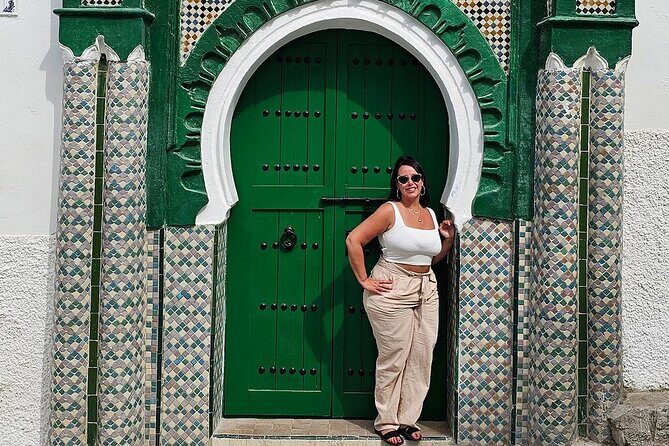
- Medina souk and Kasbah walking with time for landmarks and architecture
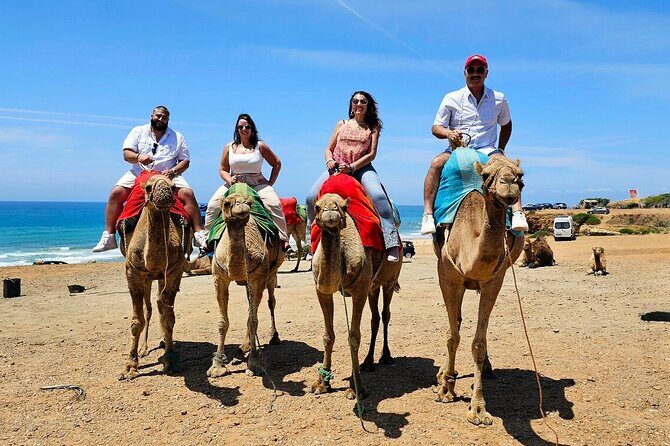
- Camel ride on the Atlantic dunes (official area) with flexible feel depending on your time
- Breakfast + a major Moroccan lunch timed to keep you fueled for the walking
You can also read our reviews of more private tours in Malaga


From Malaga to Tangier: the ferry moment that changes the day
You start early, usually around 6:00 am, and that matters because the ferry and border process can eat time later. Once you hit the water, Tangier doesn’t feel like a distant side-trip. It feels close, visible, and suddenly real.
The best part is how the day transitions. You go from Spain’s coastline to Tangier’s mix of colonial-era angles and North African street life, then you land directly into guided sightseeing rather than wandering aimlessly.
Logistics and the real meaning of private (Spain vs Morocco)
This tour is designed as a private experience, but the fine print is about where the transfer is private. If you choose the Malaga-side private option, you get pickup by van on the Costa del Sol and then private guidance and vehicle handling the Morocco side.
If you pick a shared transfer option from Malaga, you might ride to the Tarifa side with other guests before reaching the ferry. You still get the private part in Morocco with your guide, but the Spanish-side drive can be less exclusive than you expected, so choose based on how strongly you care about door-to-door privacy.
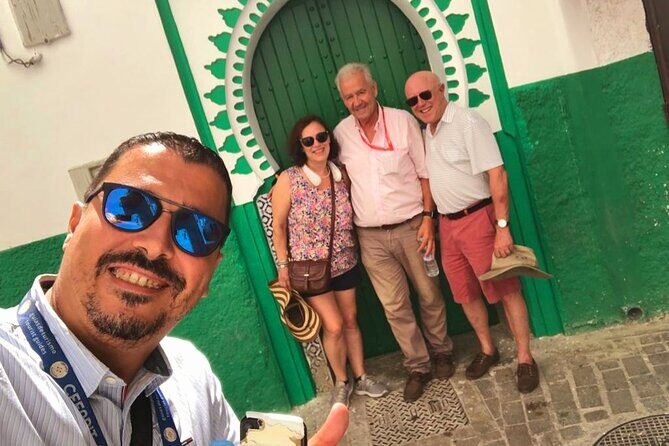
In Tangier, you meet your guide for the day and roll out in a private vehicle. That is the real value for most people: it keeps the sightseeing efficient and gives you someone who knows where to go and how to avoid dead ends.
The pacing: when you’ll actually be in Morocco
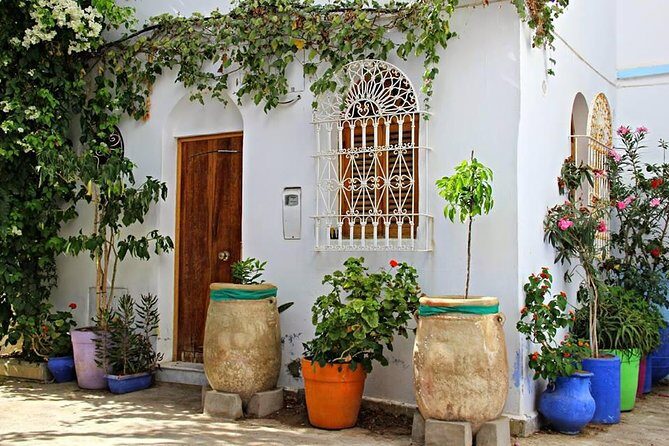
This is a long day: you’ll typically be out from about 6:00 am until the evening, often around 8:00–9:00 pm. Tangier time is built as a full arc, not just a quick highlight loop.
You can expect time for the scenery stops, an exterior orientation that runs close to two hours, lunch around an hour, and then more than 90 minutes walking in the Medina and Kasbah. If you book this, you should show up ready to walk and take in a lot, not ready to lounge.
Also note the day’s flow. The tour is structured to keep you moving between key areas rather than waiting in lines for long periods without guidance.
Hercules Caves and Cap Spartel: big views with built-in context
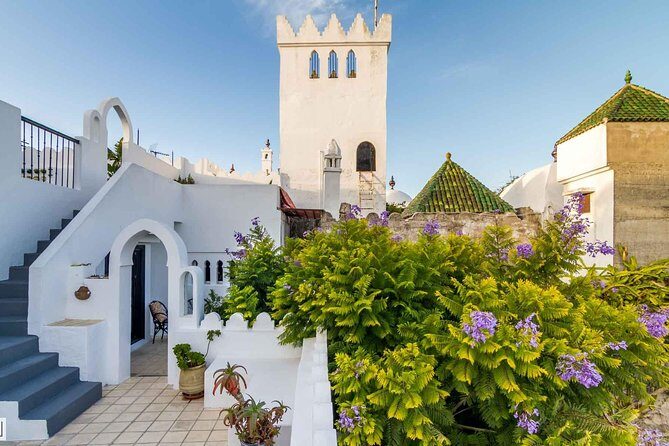
One of the smartest parts of the itinerary is the way the day mixes landmarks with atmosphere. You begin with a scenic ferry view of Tangier, then head to the area around the Hercules Caves. It’s not just a stop for photos; it’s a “here’s what shaped the city” moment.
From there, you go to Cap Spartel, where the Atlantic meets the Mediterranean. This is exactly the kind of place where Tangier’s geography becomes a story you can feel. You get panoramic outlooks, and it’s also where you can collect some of your best “I’m really here” images.
The itinerary also includes time on an Atlantic dune zone with an optional camel ride. Even if you skip the camel, the view from this area is worth the stop.


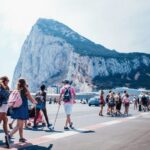
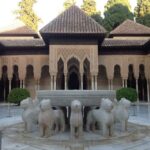
Medina souk and Kasbah streets: where the day turns from scenery into culture

After the coast-side views, the tour shifts into Tangier’s heart. You spend time exploring the Medina and Kasbah, with markets and alleyways that pull you into daily life: stalls selling dried fruit, vegetables, spices, jewelry, and small crafts.
This is where having a guide matters. Without one, it’s easy to get turned around or miss the key sight points. With a guide, you get a smoother route through the historic areas and a better sense of what you’re looking at.
You’ll also get architecture moments in the Kasbah area and time to see the Medina’s layout up close. Some days include walking that feels like a gentle sprint, but it stays manageable with stops and direction from your guide.
Sultan’s Palace Museum or the synagogue visit
A key detail: the Sultan’s Palace Museum is closed on Tuesdays. When that happens, the tour instead includes a visit to the synagogue. It’s a nice swap because it keeps the tour culturally focused rather than turning into a “we’re here but nothing is open” letdown.
Camel ride expectations: the official beach area and how to get it right
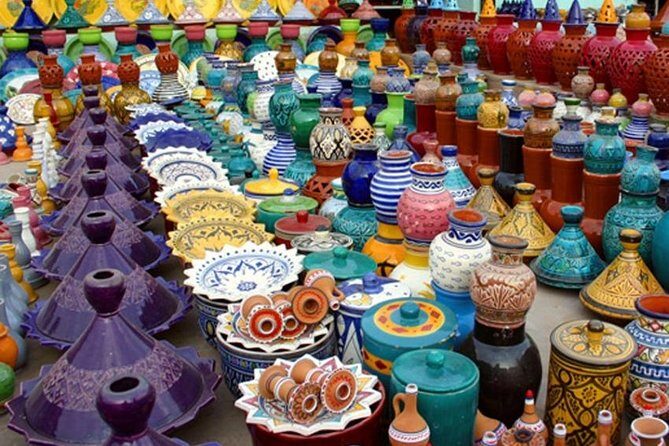
The camel ride is one of the most talked-about parts for a reason. It happens in an official area where camel rides are allowed, not an improvised zone, and it’s usually paired with the Atlantic beach and dune scenery.
That said, camel rides can feel different depending on how long you get and what the route looks like that day. Some riders end up feeling like it was short or more like a loop, while others consider it a standout memory, especially when timed with the views and a guide keeping things smooth.
My practical advice: treat it as part of a bigger photo and scenery block, not as your whole beach plan. If the ride duration matters to you, ask your guide how long you can expect during your time at the dunes.
Breakfast and lunch: the meals are not an afterthought
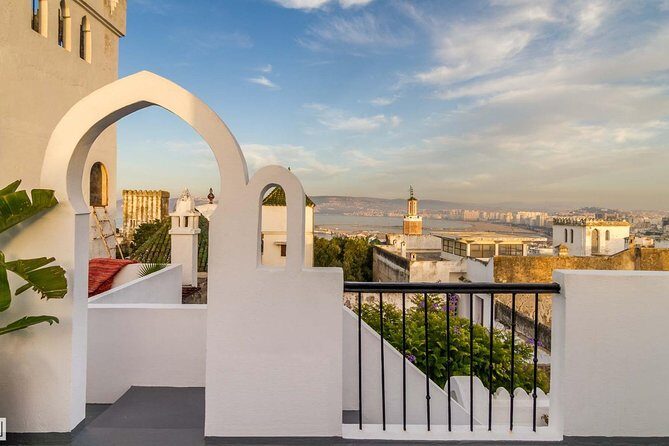
You’re not left to hunt for food on your own. Breakfast is included and is typically a cafeteria-style meal at the ferry port, often sandwiches. It’s simple, but it helps you avoid the worst timing trap of skipping breakfast and then getting cranky during customs.
Lunch is the real highlight. You’re taken to a Moroccan restaurant for a hearty meal in the Medina area, and the portions can feel like a feast with multiple dishes. People talk about how much food shows up and how often it comes in courses or plates you can share.
If you have dietary needs, you should bring it up ahead of time when possible. The tour data doesn’t list specific meal accommodations, so the safest move is to mention preferences early and be clear.
The guides and drivers: why the human side gets top marks
One reason this tour earns such strong feedback is the team coordination. On the Spain side, drivers like Nikolay/Nicolay have been credited for smooth communication and a fun, organized start toward Tarifa. That kind of calm setup matters when you’re leaving Spain early and crossing borders.
On the Morocco side, English-speaking guides you might meet include names like Ahmed, Rachid, El Hadidi, Tommy/Taoumi, and others. The common thread is clear: they know the city and can keep you from losing time in chaotic streets.
Even better, your guide usually helps you manage crowd navigation and helps you avoid getting stuck in the wrong places. That’s not just comfort. It’s how you fit more culture into fewer hours.
Price and value: what you are paying for
At about $282.50 per person, this tour can look steep at first glance—until you list what you get. You are paying for a full-day cross-country logistics setup: ferry tickets, pickup options on the Spain side, private vehicles, an expert local guide in Tangier, and included meals (breakfast and lunch).
You’re also paying for time. The big thing people value is that the day runs like a machine. You get help with boarding and customs, plus organized transfers and a plan for major sights like the Hercules Caves area and Cap Spartel.
If you tried to DIY this, the costs add up fast: ferry tickets, taxis or private drivers on both sides, and the cost of hiring a knowledgeable guide just for Tangier. This tour bundles it all and aims to keep the day from turning into logistical chaos.
A smart way to judge value: ask yourself how much you care about saving planning time and reducing stress. If you want a guided, structured day with minimal border hassle, this price tends to feel fair.
Tips so your day goes smoothly
A few practical points can make or break your comfort level:
- Bring your original passports and double-check entry requirements for your nationality. Some travelers need an electronic visa.
- If you have a Schengen visa, confirm you have enough entries to return to Spain after the Morocco day.
- Wear shoes you can walk in. Tangier’s Medina lanes can be uneven and you will spend real time on foot.
- Expect early boarding vibes and occasional crowd pressure during ferry passport processing. Your team can help, but you should still be ready for a busy port environment.
- If you dislike shopping pressure, set a mindset going in: markets can include sellers trying to sell. Your guide can often help you navigate quickly toward what you want.
Also, keep a little flexibility in your head. Ferry schedules can shift due to weather, and the tour notes that cancellations or delays can happen outside the agency’s control. If that happens, they handle meal and transfer logistics in the event of a return via an alternate port, but it can still add time to your return.
Who should book this Tangier day trip
This is a good fit if you want Tangier as a strong one-day introduction. It suits couples, friends, and families who like guided sightseeing and want to tick off the big areas: Hercules Caves area, Cap Spartel, Medina souks, and Kasbah architecture.
It’s also a great option for people based on the Costa del Sol who don’t want to spend their limited holiday time planning ferry routes, border timing, and a guide hire for the Moroccan side.
If you’re the type who wants to linger for hours in one neighborhood with no structure, you may find the pace intense. Still, you can use the guide time to choose where to spend your energy.
Should you book this tour?
Book it if you want a structured private day that turns Tangier into a highlight, not a complicated project. The ferry-to-Morocco flow, the guide quality (names like Ahmed, Rachid, and El Hadidi show up often), and the included lunch that actually feels like a meal are exactly the kind of value that makes a day trip worth it.
Skip or reconsider if you hate any market shopping vibe, want lots of beach downtime, or expect the day to feel slow and relaxed. Also, choose your Spanish-side option carefully if you truly care about riding only with your own group.
If you want my simple rule: if you want to see Tangier properly in one day with the least stress possible, this is a strong pick.
FAQ
What time does the tour start?
The start time is listed as 6:00 am.
How long is the Tangier day trip?
It runs about 12 to 13 hours, depending on the schedule and return timing.
Is the tour private?
Yes. It’s described as a 100% private experience, but the Spanish-side transfer may be shared depending on the option you choose. In Morocco, the guide and vehicle are private.
What sights are included in Tangier?
The day includes Tangier sightseeing with stops such as the Hercules Caves area, Cap Spartel, the Medina souk areas, and the Kasbah, plus a visit to the Sultan’s Palace Museum or an alternate visit depending on the day.
Is the camel ride included?
The camel ride is optional. It happens in the official area in Tangier where camel rides are allowed, during the Cap Spartel dune/beach segment.
What meals are included?
Breakfast and lunch are included in the tour options.
What happens if the ferry is delayed or canceled?
The tour notes that ferry cancellations or delays can happen due to weather outside the agency’s control. In the event of a return cancellation from Tangier, they may arrange return via another nearby port, and they indicate they will cover meal and transfer support, but your return could be delayed.