REVIEW · MALAGA
Private walking tour: Cathedral, Alcazaba and Roman Theatre
Book on GetYourGuide →Operated by ABANICO TOURS · Bookable on GetYourGuide
Malaga runs in layers, and this private walk helps you read them fast. I love the way the route strings together the Roman Theatre, Alcazaba, and Cathedral in one smooth arc of time; you’ll also get the benefit of a guide shaping the pace to your group. One thing to plan for: the Alcazaba involves steep, cobblestoned stretches, so it’s not a great fit for wheelchair users.
In about three hours, you’ll hit the city’s headline monuments without the usual admin headache. Tickets are included, entrances are covered, and you should be able to skip the ticket line, which matters when you’re on a tight sightseeing window. And based on the guide feedback I’ve seen, the best part is often the person holding the map—especially a guide named Maria Lourdes, praised for staying calm and adjusting when conditions got rough.
In This Review
- Key highlights worth caring about
- A focused 3-hour route through Malaga’s Roman, Muslim, and Christian “eras”
- Meeting at C/ Alcazabilla, then walking into the good stuff
- Roman Theatre: where public life and power met
- Alcazaba of Malaga: “citadel” on Mount Gibralfaro slopes
- Plaza del Obispo: a short pause that sets up the Cathedral
- Malaga Cathedral, La Manquita: the unfinished façade and mosque origins
- Tickets included and skip-the-line: why it’s more than a convenience
- Price and value: what $119 per person is really paying for
- Who should book this private walking tour
- Accessibility and comfort: plan around the steep Alcazaba
- Guide quality that makes the difference
- Should you book? My take
- FAQ
- FAQ
- Where does the tour start?
- How long is the private walking tour?
- Is pickup available?
- What monuments are included?
- Are tickets included in the price?
- Can I skip the ticket line?
- How many people are in the group?
- What languages are the guides?
- What should I wear or bring?
- Is it wheelchair-friendly?
Key highlights worth caring about
- Roman Theatre first: see one of the best-preserved traces of Roman Malacca.
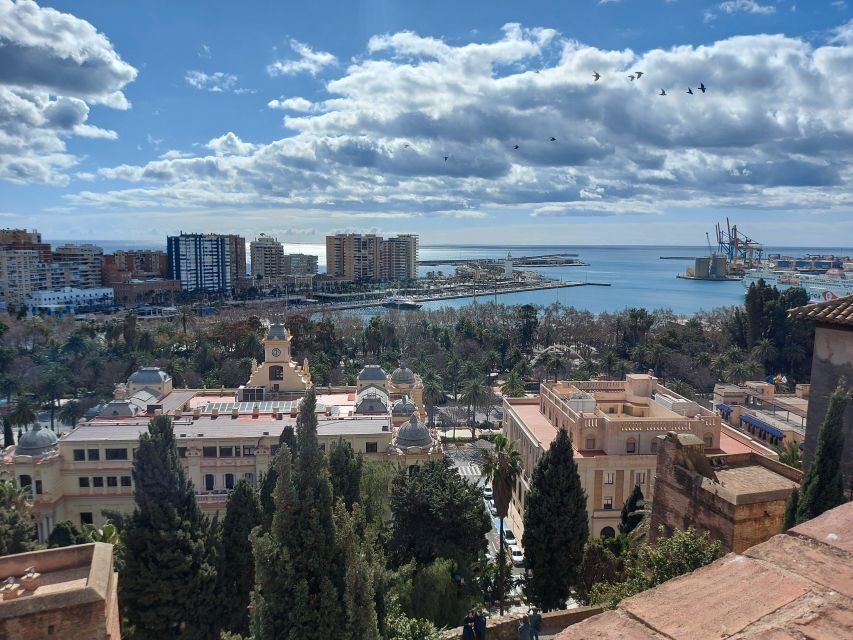
- Alcazaba at the right angle: a guided walk through the 11th-century citadel on Mount Gibralfaro slopes.
- Cathedral of La Manquita: understand why this church earned its nickname and what was left unfinished.
- Tickets included: entrances and taxes are covered, so you can focus on the monuments.
- Private group pacing: the route can adapt to your interests, with a live guide in English or Spanish.
A focused 3-hour route through Malaga’s Roman, Muslim, and Christian “eras”
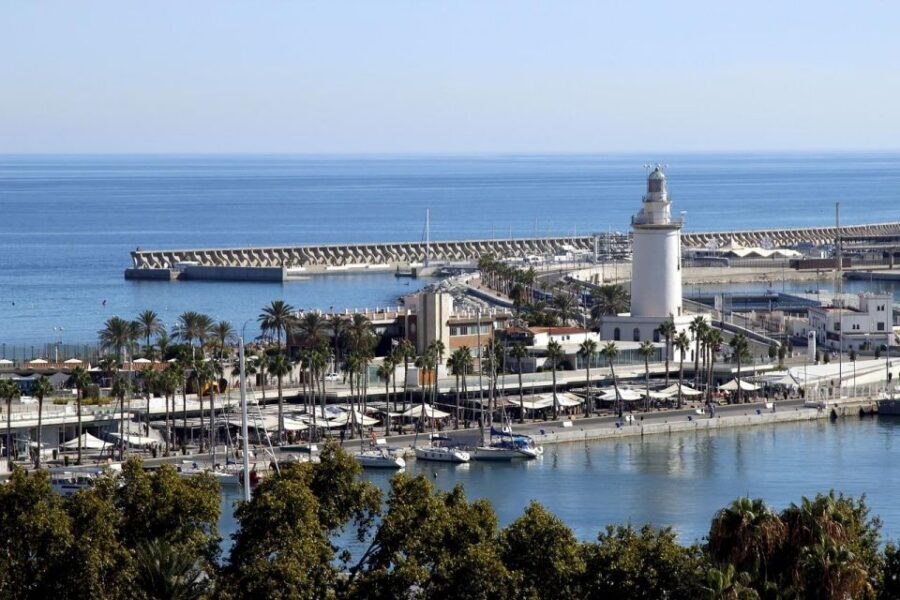
This tour is built for people who want a compact, high-impact introduction to Malaga. You’re not just looking at buildings—you’re learning how each site reflects a different power that shaped the city: Roman civic life, Islamic military rule, and Christian religious ambition.
The best part is the sequence. Starting with the Roman Theatre sets up the idea of public space and hierarchy. Then the Alcazaba flips the story toward defense and governance. Finally, the Cathedral brings the conversation into the religious heart of Malaga, including its famous unfinished façade detail. You end with a sense of how Malaga became Malaga, even if you’ve never studied Spanish history beyond a school map.
You can also read our reviews of more walking tours in Malaga
Meeting at C/ Alcazabilla, then walking into the good stuff
The tour starts at C/ Alcazabilla, 3—a convenient launch point for the monuments on this side of the historic center. If you’re staying in the historical centre, pickup is offered at your hotel or another agreed spot in that area, which saves you from hunting for the right starting corner.
Expect a short walk between stops—about ten minutes—before you settle into the guided visits. That quick transit is actually a win. It helps you get bearings fast and keeps the day from feeling like a series of ticket lines and long pauses.
One practical note: you’ll be doing a fair amount of standing and walking. Bring comfortable shoes and plan to keep snacks out of the experience since food and drinks aren’t allowed during the tour.
Roman Theatre: where public life and power met
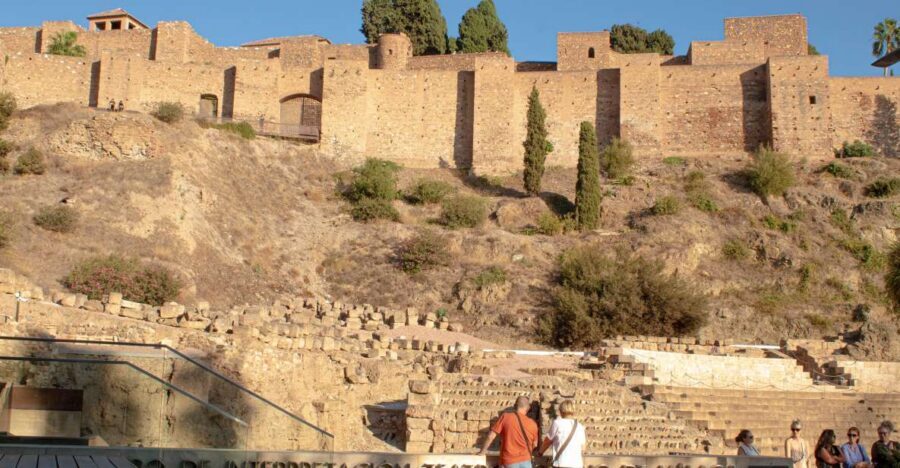
Your first major monument is the Roman Theatre. This isn’t a decorative ruin you just glance at and move on. It was a real building from the 1st century AD, and it served both recreational and political purposes. In other words, it wasn’t only for entertainment—it was also a stage for social hierarchy and demonstrations of power.
You also get an important story beat: the theatre stayed hidden underground for several centuries. That history of being buried helps you understand why this site survives in a way many Roman structures don’t. Today it’s recognized as a Cultural Interest Asset, with the category of Artistic Monument, in 1972—a formal nod to how significant it is.
What you’ll appreciate on a guided visit is the link between the architecture and the social life it supported. A theatre like this had a built-in audience experience: sightlines, movement, and how people were positioned. With a private guide, you can ask follow-up questions without the pressure of keeping up with a crowd.
Alcazaba of Malaga: “citadel” on Mount Gibralfaro slopes
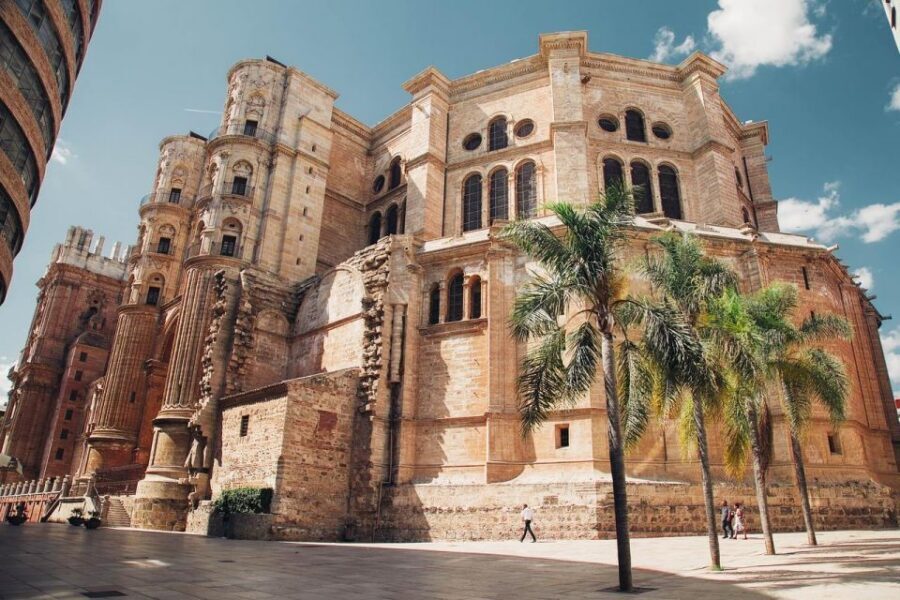
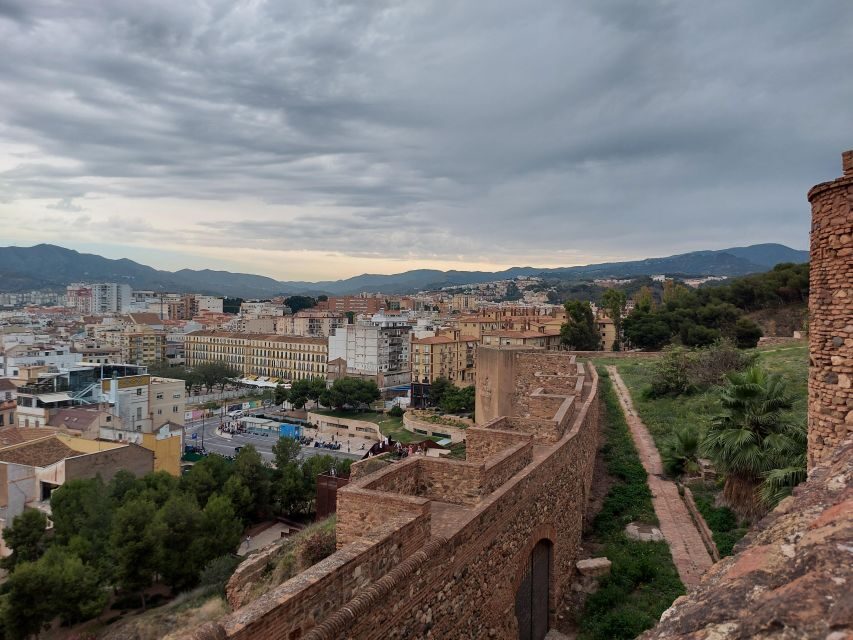
Next comes the Alcazaba of Malaga, and this is where the tour really changes your perspective. Alcazaba means citadel in Arabic, and the site was the home base for Muslim rulers. It sits on the slopes of Mount Gibralfaro, and that location affects everything: views, defenses, and the feel of the climb.
Built in the 11th century, it earned nicknames tied to its defense strength—sometimes described as the impenetrable or impregnable. That’s not just marketing language. It’s the logic behind how military architecture worked: strong walls, smart placement, and the ability to hold ground.
One of my favorite parts of this stop is the contrast in the site’s later life. In the 19th and 20th centuries, it became a more humble neighborhood area. Only later did it return to its status as a protected monument—declared a National Monument in 1931—and after restoration work, it became one of the best-preserved examples of Islamic military architecture.
Small caution: this is a guided walk with steep areas and cobblestones. If your mobility is limited, you’ll want to consider this carefully. The tour is not suitable for wheelchair users, and even if you can manage the stairs, cobblestones can slow you down.
Plaza del Obispo: a short pause that sets up the Cathedral
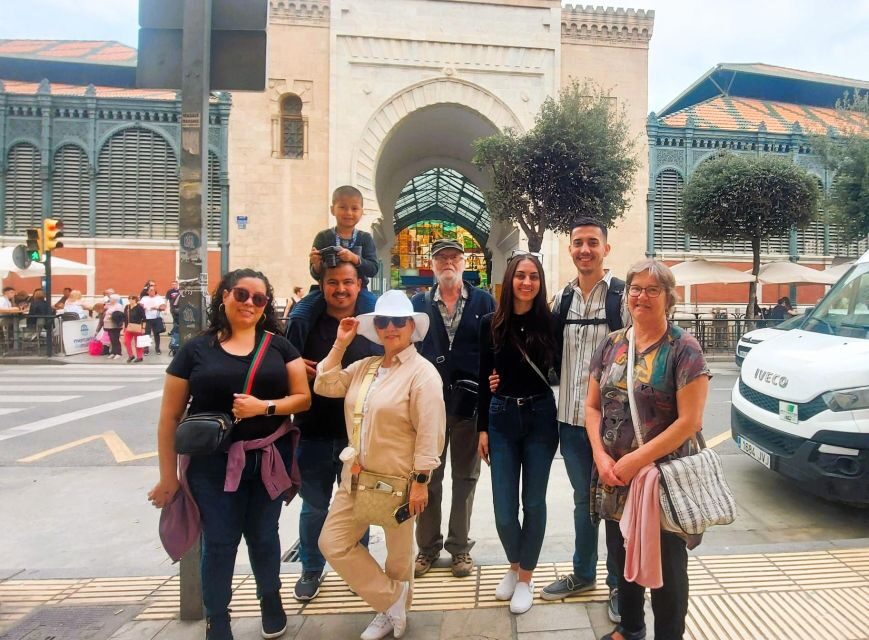
After the Alcazaba, there’s a move to Plaza del Obispo, with around 30 minutes for guided explanation and walking. This stop is useful because it’s a transition space—you shift from the defensive, fortress logic of the Alcazaba to the civic and religious gravity of the Cathedral.
Think of it as your mental reset. You’ll likely connect what you saw in the Alcazaba—power, control, survival—to what you’ll see next: how religious institutions shaped the urban center. Even a relatively short guided block can do a lot here because it frames what you’re about to enter.
You can also read our reviews of more private tours in Malaga






Malaga Cathedral, La Manquita: the unfinished façade and mosque origins
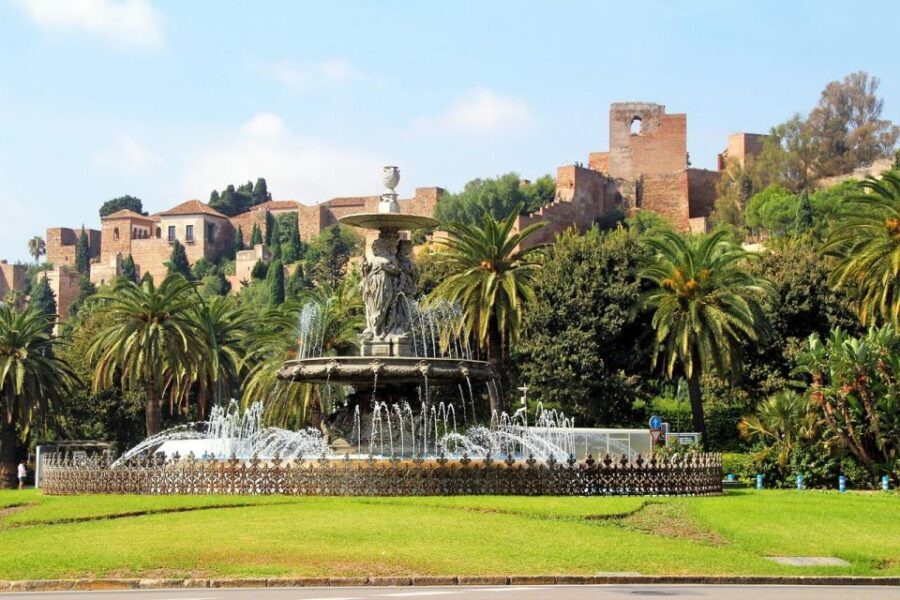
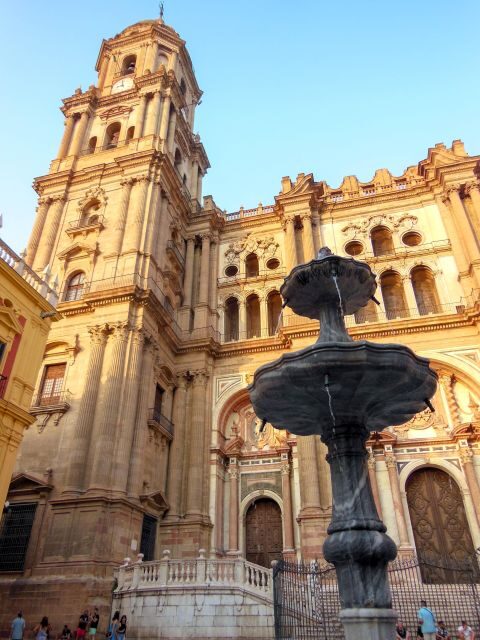
The final anchor is Malaga Cathedral of Our Lady of the Incarnation, known locally as La Manquita. The nickname is tied to how the building was never fully finished—when you look at the main façade, you’ll notice the construction was left incomplete.
The tour also connects the Cathedral to the Muslim era that came before it. The Cathedral’s construction process was linked to the earlier existence of the Aljama Mosque from the Muslim period. That relationship matters. It gives you a clearer explanation for why the Cathedral feels both imposing and historically layered, rather than like a standalone monument dropped into time.
Inside, you’ll focus on the structure and the artistic details: vaults and columns, the main altar, and the main chapels with interesting artistic and religious expressions. There’s also the choir with carved wooden stalls, which you’ll likely appreciate more when a guide points out what to look for and how the interior spaces are organized.
If you’re a first-time visitor, this is the stop that helps everything click. You’ll understand why Malaga’s story didn’t unfold in one straight Christian line. Instead, it moved through different eras, and the buildings reflect those overlaps.
Tickets included and skip-the-line: why it’s more than a convenience
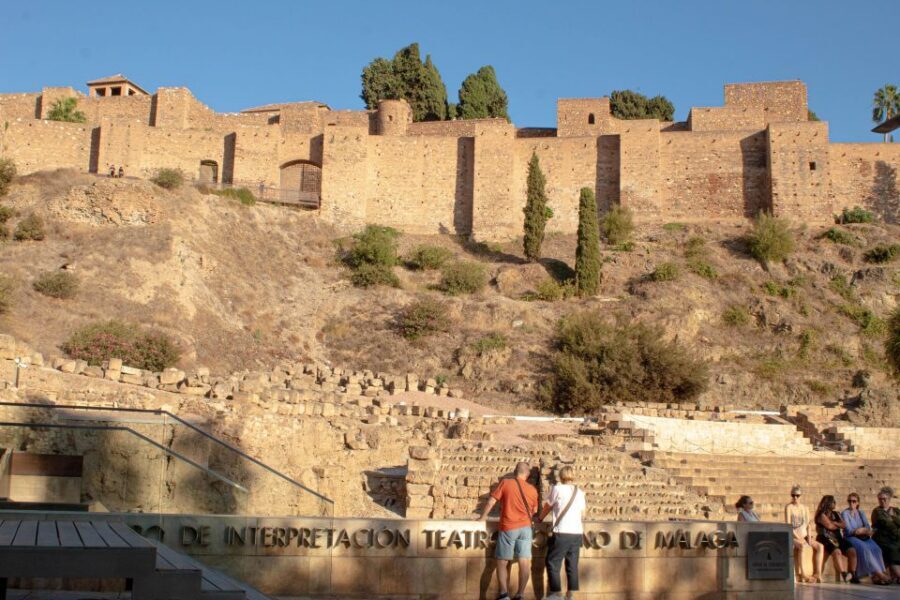
This tour covers Roman Theatre entrance, Alcazaba entrance, and Cathedral entrance, with tickets included. You’re also told you can skip the ticket line, which is a big deal in historic sites where waiting can eat your energy.
Skipping the line doesn’t just save minutes. It protects the rhythm of the experience. When you’re on a private schedule, you don’t want your guide standing around while you shuffle through queues. You want to keep the story moving—especially because this tour is built around short, high-value visits (Roman Theatre, Alcazaba, Cathedral) rather than one slow, drawn-out stop.
Also note that it’s a private group. That means you can take a moment to look longer at a detail, ask why something was built a certain way, or get help understanding what you’re seeing without feeling rushed.
Price and value: what $119 per person is really paying for
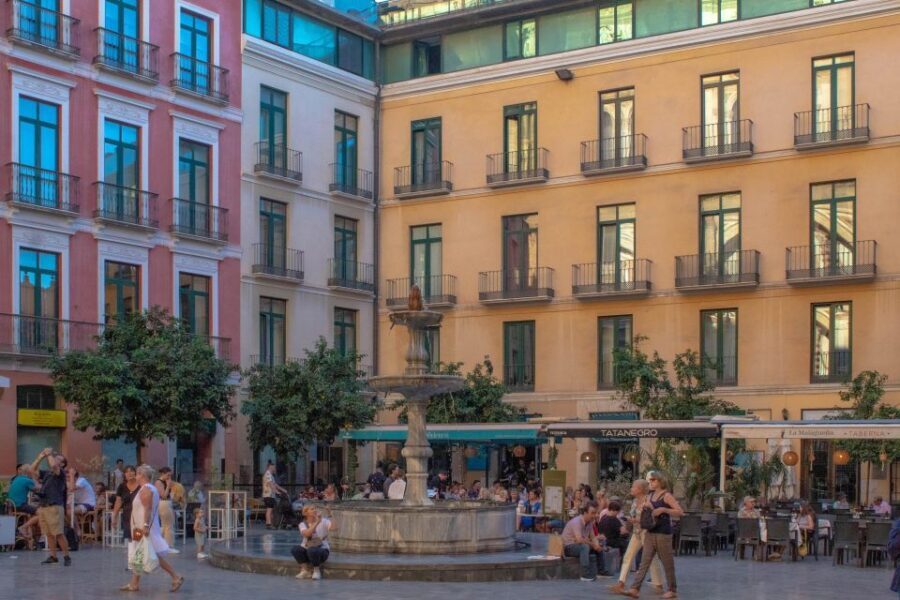
At $119 per person, this is not the cheapest way to see Malaga’s monuments. But the value makes sense if you care about interpretation and not just photos.
You’re paying for:
- A professional local guide (not a self-guided audio tour)
- Private group time, which lets the route adapt to your interests
- All major entrances included, including taxes
- A format that combines three heavyweight monuments in a single 3-hour window
The big value play here is time. If you’ve only got a morning or afternoon to spare, going guided lets you see Roman, Islamic, and Christian Malaga without piecing together multiple tickets and timing logistics on your own. And private pacing can make a huge difference at the Alcazaba, where walking is not always easy.
So, the real question isn’t whether $119 is low. It’s whether you’d rather spend that money on a better explanation and smoother flow—or on extra time DIYing between sites.
Who should book this private walking tour
I think this tour is a strong match for you if:
- You want a guided explanation at the Roman Theatre, Alcazaba, and Cathedral rather than just a checklist
- You like history that connects monuments to real systems of power (public life in Rome, rule and defense in Muslim Malaga, religion in the Christian city)
- You prefer a private group where the guide can adapt pacing to your needs and interests
It’s also great for the kind of traveler who enjoys architecture but gets frustrated when you can’t tell what matters. Here, you’ll get clear prompts: why the theatre matters, what Alcazaba means, and what La Manquita signals about the Cathedral’s unfinished story.
Accessibility and comfort: plan around the steep Alcazaba
This is the one area to take seriously. The tour is not suitable for wheelchair users, and you should expect steep areas and cobblestone ground during the Alcazaba portion.
What that means in practice: even if you’re not wheelchair-bound, you may want to be honest about how you handle uneven surfaces. Comfortable shoes help, but shoes don’t remove steep grades. If you’re traveling with someone who struggles with stairs or uneven steps, consider that this experience is primarily built for walking stamina.
Also, plan your outfit. Sleeveless shirts aren’t allowed, so bring something with coverage for the Cathedral.
Guide quality that makes the difference
The experience stands out for its guide—specifically, the way guides show up prepared for real conditions. In feedback, a guide named Maria Lourdes was praised for being passionate and attentive, adapting to the group’s rhythm, and managing visit conditions even when the weather got complicated.
That last point is practical. City visits don’t happen in a movie set. Rain, wind, or heat can change how long you want to pause in the open. When a guide can adjust pace without losing the story, your time feels better spent.
If you care about having someone translate what you’re seeing into something you can actually remember, this tour seems built for that.
Should you book? My take
Book it if you want a tight, guided route that covers Malaga’s Roman, Islamic, and Christian highlights in one 3-hour stretch—with tickets included and private pacing. The pricing works best when you value interpretation and time savings over doing everything independently.
Skip it or rethink it if mobility is a challenge. The Alcazaba’s steep, cobblestoned walk is a real factor, and the tour isn’t suitable for wheelchair users. Also, if you need to snack frequently or prefer bringing food along, you won’t be able to—food and drinks aren’t allowed during the visit.
FAQ
FAQ
Where does the tour start?
The tour starts at C/ Alcazabilla, 3.
How long is the private walking tour?
The duration is 3 hours.
Is pickup available?
Pickup is available if your hotel or your location is in the historical centre of Malaga. If you’re not in that area, the starting location is optional and you can contact the provider at least 24 hours ahead to arrange another historic-centre pickup point.
What monuments are included?
You’ll visit the Roman Theatre, the Alcazaba of Malaga, and Malaga Cathedral (La Manquita).
Are tickets included in the price?
Yes. Roman Theatre entrance, Alcazaba entrance, and Cathedral entrance are included, along with all taxes.
Can I skip the ticket line?
Yes. The tour includes skipping the ticket line.
How many people are in the group?
This is a private group.
What languages are the guides?
Live guides are available in English and Spanish. A guide named Maria Lourdes has been specifically mentioned in feedback for French explanations.
What should I wear or bring?
Bring comfortable shoes and comfortable clothes. Sleeveless shirts are not allowed.
Is it wheelchair-friendly?
No. The tour is not suitable for wheelchair users, and the Alcazaba includes steep areas and cobblestone ground.