REVIEW · MALAGA
Malaga: Private walking tour
Book on GetYourGuide →Operated by Tours in Malaga · Bookable on GetYourGuide
Malaga is built from layers, and this tour reads them fast. You get a private walking format with an expert guide, plus a structured Picasso route that helps you see the city like an artist would. The main catch: monument entry fees for places like the Cathedral, Alcazaba, and Picasso sites are not included, so your plans may cost a bit more if you decide to go inside.
What I like most is how the walk connects big sights to real stories, rather than just pointing at stones. The stops focus on architectural contrasts, from the Cathedral’s mix of styles to the Alcazaba’s military logic, and then the Roman Theatre brings the older Málaga into focus. Do bring comfortable shoes and water, because it runs rain or shine and you’ll be on your feet for the full 2 hours.
In This Review
- Key highlights you’ll actually feel on the walk
- Start point at La Aduana Vieja and how the route gets moving
- The Cathedral of Málaga: spotting Gothic, Renaissance, and Baroque in real life
- Alcazaba fortress stop: history you can map with your eyes
- Roman Theatre: seeing Roman Málaga without needing a textbook
- Picasso route: walking the artist’s footsteps through ordinary streets
- Walking end at Calle Marqués de Larios: finishing in the best zone for your next move
- What you get with a private group (and why it can be worth $271)
- Guide style: the difference between hearing facts and using them
- Practical tips for the day: what to bring and how to plan your entrances
- Who this Málaga private walk is best for
- Should you book this private walking tour?
- FAQ
- How long is the private walking tour?
- How much does the tour cost?
- Where does the tour start?
- Where does the tour end?
- Is the tour private?
- Are entrance tickets included for the Cathedral, Alcazaba, or Picasso sites?
- Does the tour skip the ticket line?
- What languages are available?
- Does it run in bad weather?
- What should I bring?
Key highlights you’ll actually feel on the walk
- A flexible private route: you can steer the pace and emphasis toward what interests you most
- Cathedral architecture, explained simply: Gothic, Renaissance, and Baroque design in one place
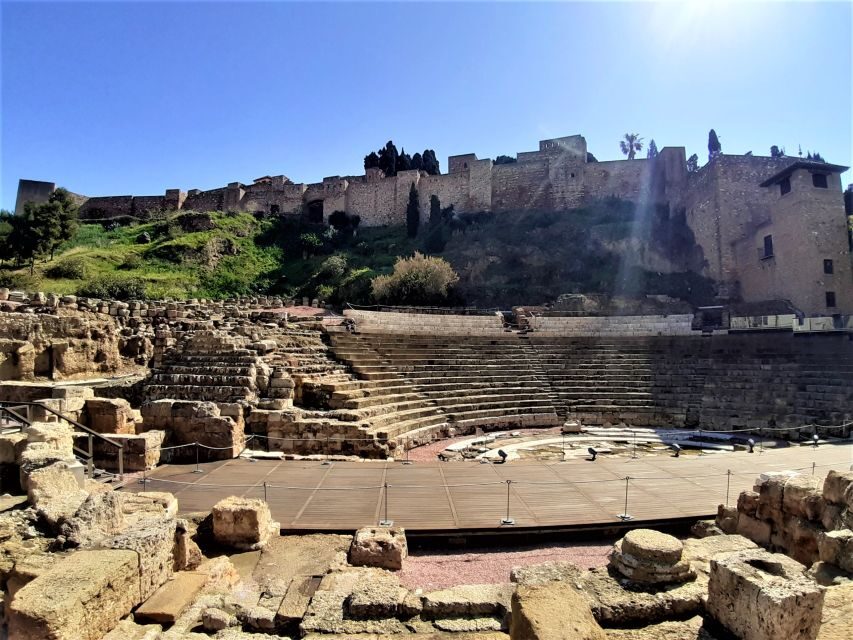
- Roman Theatre context: you don’t just see ruins; you learn how they fit into Roman Málaga
- Alcazaba fortress understanding: defensive design and historical significance make the complex click
- Picasso trail with meaning: you’ll connect streets, sites, and the artist’s life story
- Guides who make it lively: Francisco, Sandra, Roberto, and Birgit are specifically noted for engaging, varied guiding
Start point at La Aduana Vieja and how the route gets moving
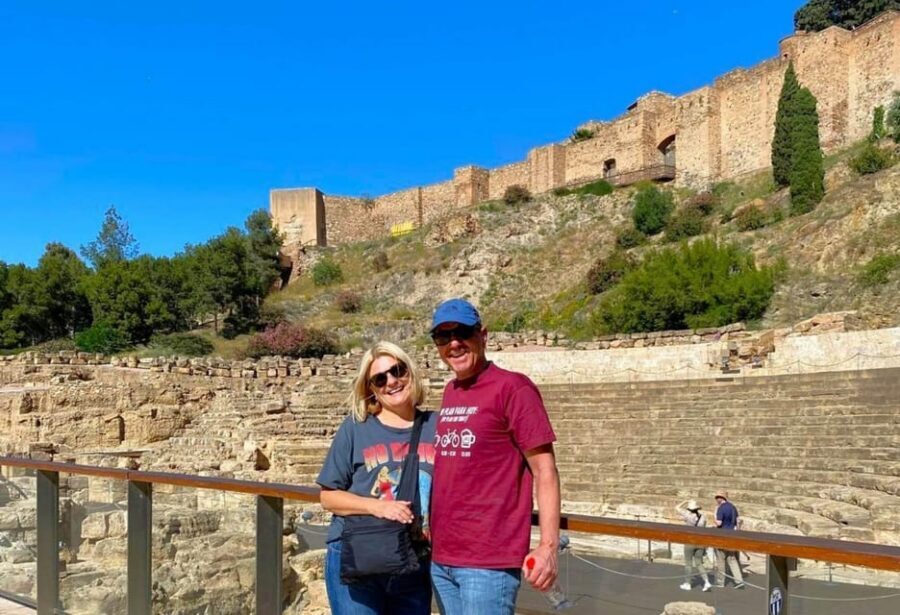
Your walk begins at La Aduana Vieja, in the area by the main gate of the Malaga museum. That starting zone is handy: you’re already close to the old-city feel, so the tour doesn’t waste time getting you into the historic core.
This kind of private pacing matters more than people expect. In a 2-hour window, you want fewer “traffic-slog” transitions and more time on the key locations. With a private group, your guide can also slow down for questions, or nudge you toward a viewpoint when it’s most useful for photographs and orientation.
You can also read our reviews of more walking tours in Malaga

The Cathedral of Málaga: spotting Gothic, Renaissance, and Baroque in real life
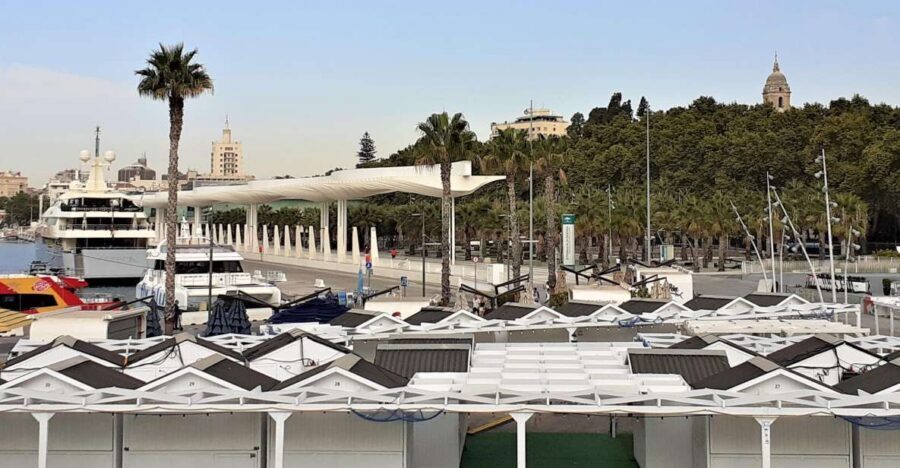
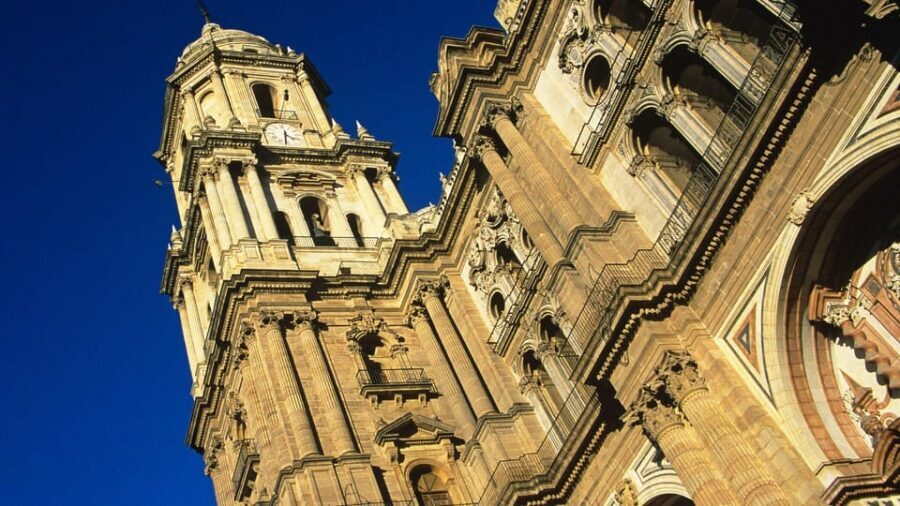
One of the strongest draws is the Cathedral. It’s not just a pretty stop; the tour helps you read it as a timeline. You’ll learn how the building reflects multiple architectural eras, specifically the blend of Spanish Gothic, Renaissance, and Baroque elements.
Here’s the practical payoff for you: when you understand what you’re looking at, the Cathedral stops feeling like a single “big church” and starts feeling like a city project that evolved over time. That’s when the building becomes memorable instead of forgettable.
Also, plan for the fact that entry to the Cathedral is optional. The guide can help you decide if it’s worth going in for your schedule, but the ticket itself is paid separately. If you’re short on time (or you’d rather stay outside and enjoy the views), you can still get a lot from the exterior context.
Alcazaba fortress stop: history you can map with your eyes
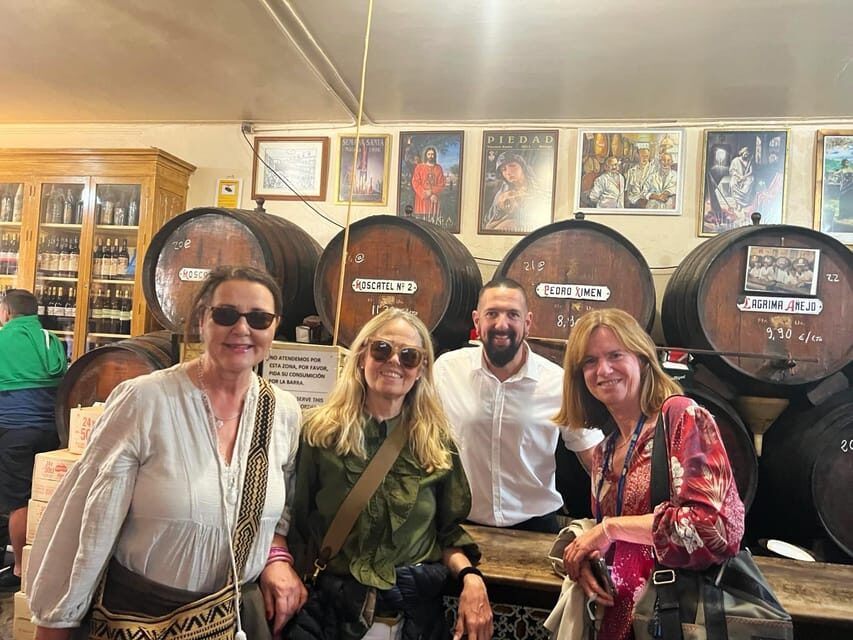
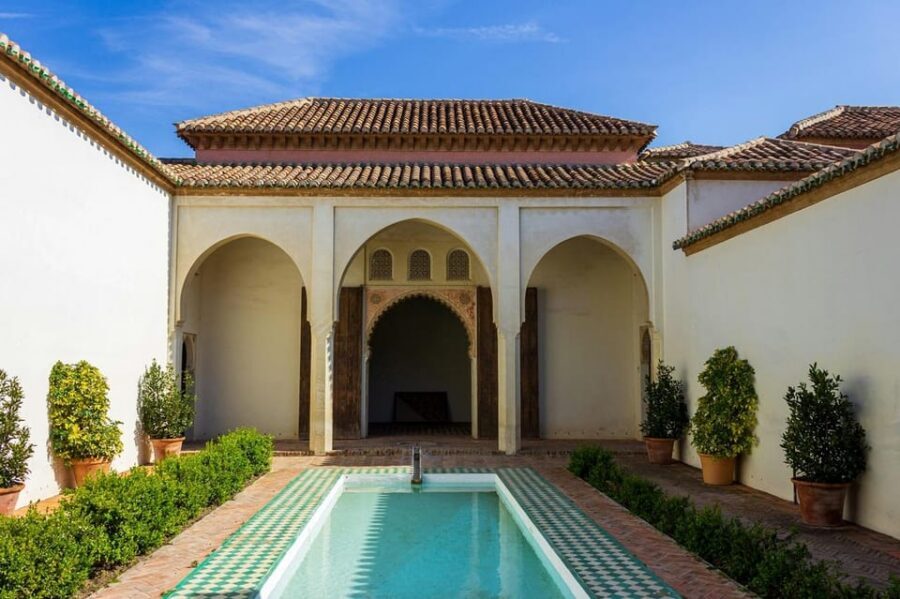
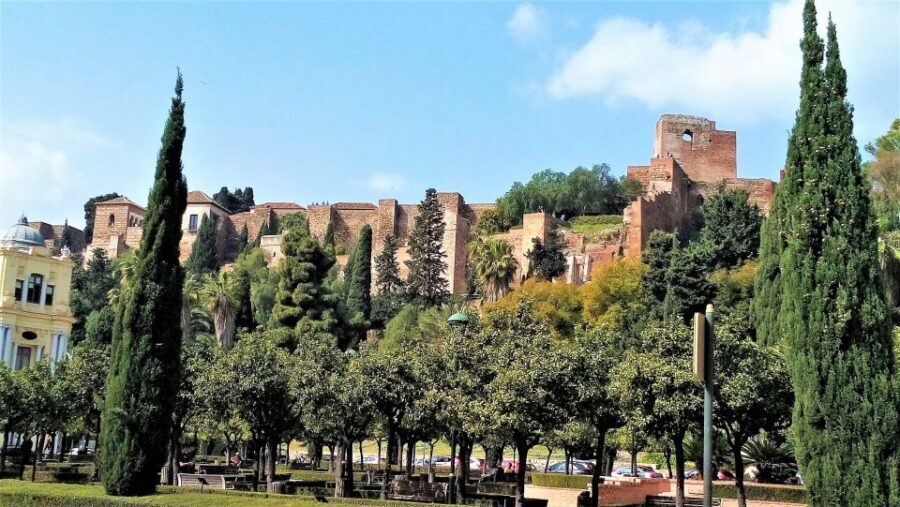
Next up is the Alcazaba, an ancient fortress with architecture that makes sense when explained. You’ll learn its historical significance and what the fortress was built to do, so it feels less like a maze of walls and more like defensive engineering.
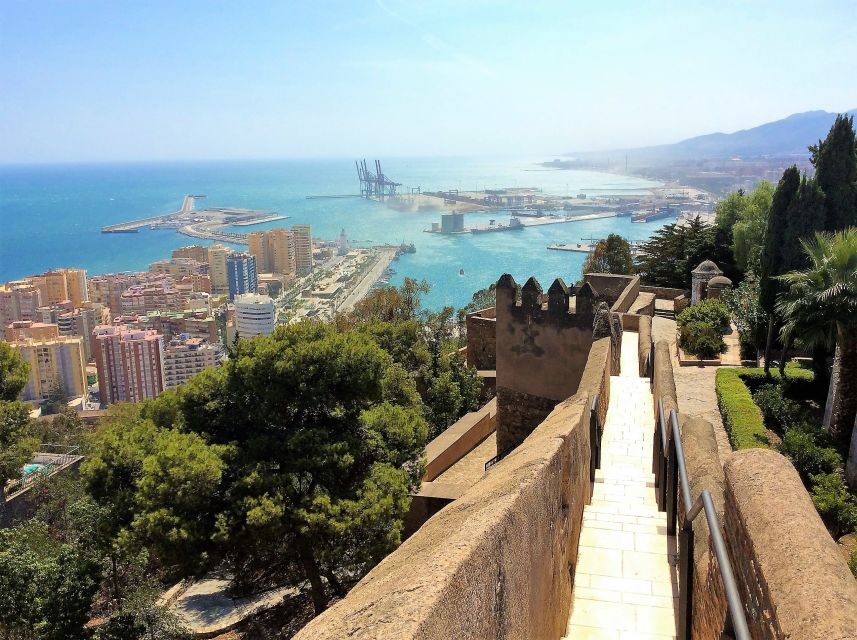
What I like about bringing Alcazaba into a walking tour is that it changes how you see the city’s layout. Fortress sites usually sit where you’d want control and visibility. When you connect that idea to what you’re seeing on the ground—walls, angles, and elevation—you start understanding why Málaga grew the way it did.
As with the Cathedral, entrances aren’t included. You’ll get the essential information either way, but if you choose to go inside, you should budget for ticket costs.
Roman Theatre: seeing Roman Málaga without needing a textbook
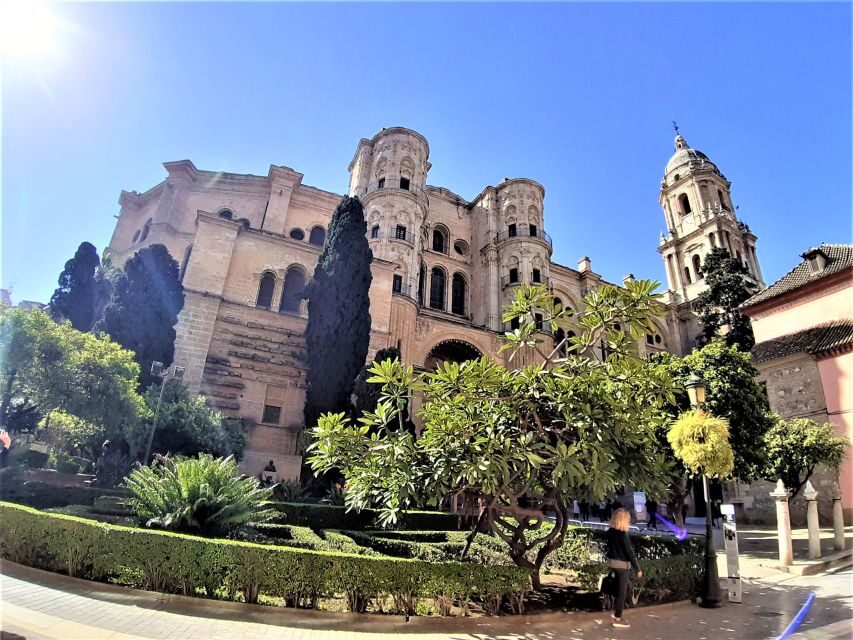
The Roman Theatre is the archaeological highlight that turns the whole walk into a chronological story. You’ll hear how this Roman Theatre fits into the earlier Malaga of its past, and you’ll get a sense of why this site still matters.
If you usually find Roman ruins confusing or a bit “guessy,” this is the kind of stop that helps. The guide’s job is to connect what’s visible today with how the place likely worked when it was active—where people sat, what the space was for, and how it reflected the city at the time.
Again: you can decide on monument entry. If you go in, you’ll pay your own way for tickets, but the tour includes enough context that the outside/approach time still feels worthwhile.
Picasso route: walking the artist’s footsteps through ordinary streets
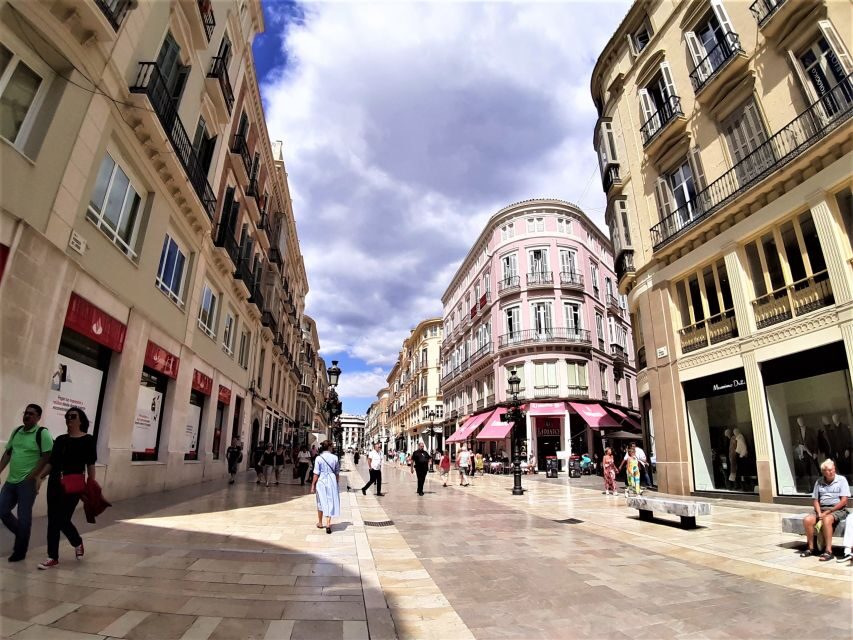
The Picasso portion is one of the most satisfying parts because it turns “museum time” into street time. You’ll explore places tied to Picasso’s life and artistic journey, and you’ll see how his story threads through Málaga’s everyday corners—not just a single famous building.
For you, this approach has a big advantage: the next time you look at Picasso works (at a museum you may or may not enter), you’ll have a mental map of the city that shaped him. Even if you don’t buy tickets for a Picasso museum stop, the walk helps you connect names, locations, and moments.
One more nice detail: the route includes passing by an establishment linked to Antonio Banderas. It’s not a full celebrity detour; it’s a quick street-level nod that adds modern Málaga flavor without derailing the history focus.
You can also read our reviews of more private tours in Malaga






Walking end at Calle Marqués de Larios: finishing in the best zone for your next move
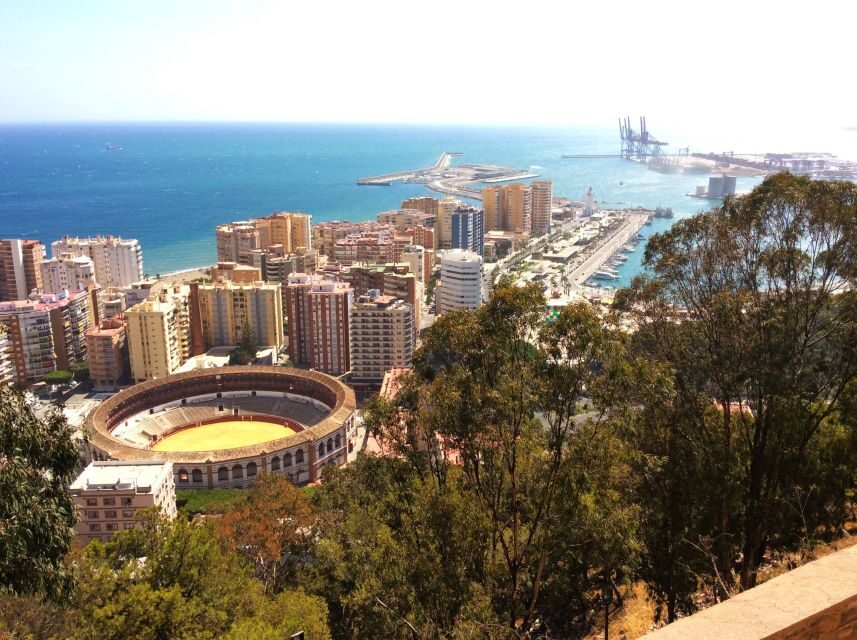
You wrap up on Calle Marqués de Larios, right in the middle of where many people naturally want to stroll next. Finishing here is practical because it gives you an easy transition to cafés, shopping, or a museum visit you decide to add later.
A good tour ending point matters. After 2 hours, your legs are tired, your brain is full of names and dates, and you want a place that’s simple to navigate. This finish location makes that easier.
What you get with a private group (and why it can be worth $271)
The price is $271 per group for up to 15 people, for a 2-hour experience. That pricing structure is the key to understanding value.
- If you’re traveling with a few people, the cost per person drops fast, and the private guide becomes a smart buy.
- If you’re solo or a couple, it’s more like a premium approach compared to standard group walking tours, because you’re paying for the private format rather than splitting the cost across lots of strangers.
Either way, you get a live guide and a private setting, plus the benefit of skipping the ticket line. Do note what’s not included: entrance fees to the Cathedral, Alcazaba, and Picasso-related venues are paid separately, and food and drinks are not included.
So the real value question for you is simple: will you likely enter at least one monument? If yes, this tour often justifies itself better. If not, it still can be a great orientation walk, but you should think of it as guided context, not a bundle of paid entry tickets.
Guide style: the difference between hearing facts and using them
A highly praised aspect of this tour format is how the guide makes the story feel organized and interesting. The names Francisco, Sandra, Roberto, and Birgit show up in the strongest positive impressions, with comments pointing to engaging explanations and a varied, easy-to-follow approach.
That matters because Málaga can feel like it has too much going on. Without guidance, it’s easy to see a beautiful cathedral, a fortress, and some old ruins, then mentally mix them together. With the right guide, you remember what’s Roman, what’s medieval/fortress, and what belongs to Picasso’s Málaga.
You’ll also appreciate the language coverage. The tour runs in English, French, German, Spanish, Russian, Polish, Italian, and Portuguese, which makes it easier to get details without relying on guesswork.
Practical tips for the day: what to bring and how to plan your entrances
Bring comfortable shoes. Old-city stone can be polite-looking and still slippery or hard on the feet. Also bring water and a sun hat, because weather on the Costa del Sol can go from mild to intense fast.
A face mask or protective covering is listed as something to consider bringing. And dress comfortably—this is a walking tour, not a sit-and-lecture experience.
For monument decisions: the tour does not include entry fees, so you’ll be choosing on the spot whether you want to go inside. I like this setup because you can match entrances to your interests and energy. If you’re more architecture-focused, you may lean toward the Cathedral and Alcazaba. If you’re more archaeology-focused, the Roman Theatre is likely your top pick.
Who this Málaga private walk is best for
This works especially well if you want a guided overview without getting trapped in a long museum day. It’s also a great fit if you care about architecture and how different eras shape the same streets.
You’ll enjoy it if:
- you like walking tours that explain what you’re seeing
- you want a Picasso route that connects art history to real locations
- you’re short on time but still want the Cathedral, Alcazaba, and Roman Theatre context
You might not love it as much if:
- you want a deep, ticket-heavy itinerary where several monuments are included in the price
- you prefer very slow pacing and lots of inside time at each site
Should you book this private walking tour?
I think it’s a strong choice if you’re aiming for a well-structured 2-hour introduction to Málaga’s key layers: Gothic/Renaissance/Baroque architecture at the Cathedral, fortress history at Alcazaba, Roman context at the Theatre, and a meaningful Picasso walk through the city.
Book it if you can say yes to paying any entrance fees you choose on the day, and if you like the idea of a guide shaping the experience for your interests. Skip it if you only want museums with included tickets, or if you’re hoping the tour price covers entry and everything else.
FAQ
How long is the private walking tour?
It lasts 2 hours.
How much does the tour cost?
It costs $271 per group, up to 15 people.
Where does the tour start?
The start is at La Aduana Vieja, and the meeting point is outside the main gate of the Malaga museum.
Where does the tour end?
It finishes at Calle Marqués de Larios, Málaga, Spain.
Is the tour private?
Yes. It’s a private group.
Are entrance tickets included for the Cathedral, Alcazaba, or Picasso sites?
No. Entrance fees are not included, and if you enter monuments you pay at your own expense.
Does the tour skip the ticket line?
Yes, it includes ticket-line skipping.
What languages are available?
English, French, German, Spanish, Russian, Polish, Italian, and Portuguese.
Does it run in bad weather?
Yes. The tour takes place rain or shine.
What should I bring?
Comfortable shoes, sun hat, water, comfortable clothes, and a face mask or protective covering.