REVIEW · MALAGA
Málaga: Paella and Sangria Cooking Class with Market Visit
Book on GetYourGuide →Operated by Spain Food Sherpas · Bookable on GetYourGuide
Paella tastes better when you cook it. This Málaga class pairs a market walk at Atarazanas Market with hands-on cooking of classic paella, plus tasting stops along the way. It’s a smooth 3.5-hour plan that makes Spanish food feel practical, not just pretty.
What I like most is the mix of teach-you-to-cook details and real-food moments. You start with an olive oil tasting that helps you understand what makes local flavors different, then you get chef guidance as you build the flavors yourself. I also love that your apron is included and the recipes get sent the next day, so the day doesn’t vanish after lunch.
One thing to consider: the market visit changes by day. Weekday and Saturday mornings include the Atarazanas Market walk, but Sundays and evening sessions go straight to the kitchen because the market is closed. Also, you can’t bring luggage or large bags, so pack light.
In This Review
- Key highlights at a glance
- Málaga Paella Class in 3.5 Hours: Market First, Then Kitchen Control
- Atarazanas Market: Where Your Ingredients Start Talking
- Olive Oil Tasting: The Flavor Lesson Before the Pan
- Kulinarea Kitchen (Soho District): Modern Space, Real Cooking Flow
- Hands-On Paella: Technique You Can Use Again
- Gazpacho + Sangría + Wine/Beer + Churros: Lunch That Feels Like a Full Plan
- Dietary Notes and Group Energy: Easygoing, International, and Flexible
- Price and Value: Why $94 Often Feels Fair Here
- Practical Details: Meeting Point, Parking, and Timing That Affects the Day
- Who Should Book This Málaga Class (and Who Might Skip It)
- Should You Book This Málaga Paella and Sangría Cooking Class?
- FAQ
- FAQ
- How long is the Málaga paella and sangría cooking class?
- Where is the meeting point?
- Is there an Atarazanas Market visit?
- What language is the tour guide?
- What’s included in the price?
- Do you get recipes to take home?
- Can the class accommodate food intolerances?
- Are luggage or large bags allowed?
- Is there parking near the meeting point?
Key highlights at a glance
- Atarazanas Market (weekday/Saturday mornings): a relaxed stroll to spot seasonal ingredients and sample regional foods
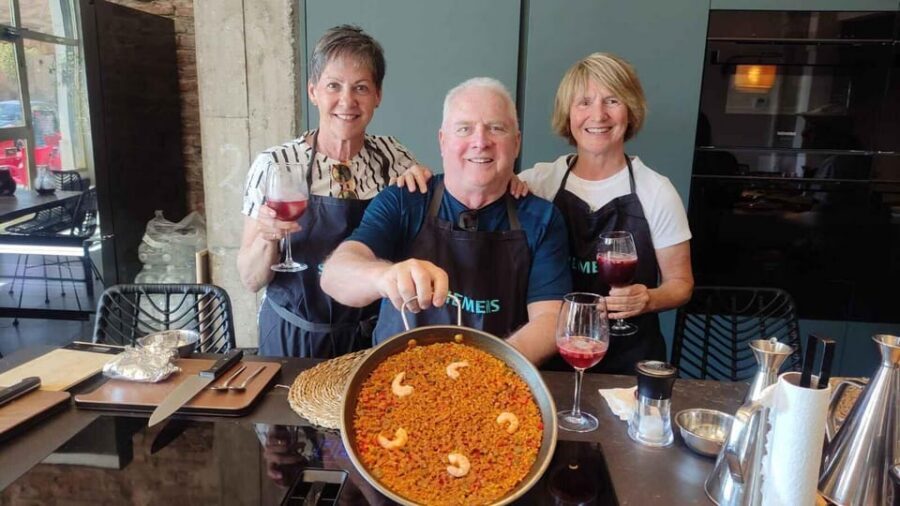
- 100% hands-on paella cooking: you actively cook, not just watch
- Extra virgin olive oil tasting: learn the taste range before you cook with it
- A practical seafood-forward paella approach: shrimp and cuttlefish are suggested for a home-friendly result
- Lunch is fully built-in: gazpacho, paella, sangría, churros, and wine or beer
- You leave with tools and instructions: take-home apron plus recipes sent the next day
Málaga Paella Class in 3.5 Hours: Market First, Then Kitchen Control
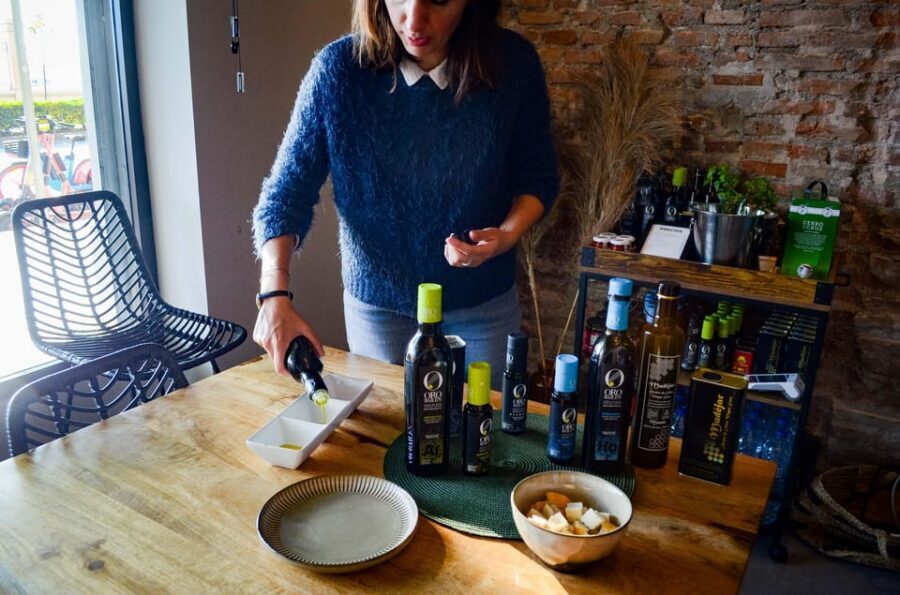
This is a cooking class that respects your time. You get a morning or evening flow that starts in the market zone and ends with lunch you made with your own hands. The structure matters because paella is easier to learn when you can connect the ingredients you buy—or at least see—back to what goes into the pan.
If you want a Málaga food experience that feels authentic and still teaches you skills you can use at home, this one fits. You’re not just eating; you’re learning timing, seasoning, and technique in a real kitchen setting that’s close to the action in the city.
And yes, there’s the fun part: sangría, churros, and wine or beer at the table. But the best value is that the meal is tied to the instruction, so you understand what you’re tasting instead of just sampling it.
You can also read our reviews of more shopping tours in Malaga
Atarazanas Market: Where Your Ingredients Start Talking
When the session includes the market, you begin with a relaxed walk to the Atarazanas Market area. It’s designed to be easygoing, not a rushed shopping sprint. During this part, you explore fresh seasonal ingredients, see what matters locally, and you get a chance to sample regional delicacies.
This is also where a good guide can really sharpen your experience. In English, Anaïs is highlighted in the feedback as someone who shared market facts about Málaga and Spanish cuisine. That kind of context helps you notice things: what looks freshest, what textures signal quality, and how the market vibe connects to what you’ll cook later.
What I think you’ll enjoy most here is the way the market sets your expectations. Instead of arriving at paella with generic assumptions about seafood, tomatoes, or herbs, you’re primed to recognize them as ingredients with purpose. That mental link is what makes cooking lessons stick after you return home.
One practical tip: plan to carry nothing heavy. The class doesn’t allow luggage or large bags, so treat the market portion like a light walking stop. If you’ve got a backpack, keep it small.
Olive Oil Tasting: The Flavor Lesson Before the Pan
Before you put on your apron, you’ll taste local extra virgin olive oil. This isn’t a gimmick. It’s a quick, focused way to train your palate. You get to notice the subtle differences in how oils feel in your mouth—how they can lean toward fruitiness, peppery notes, and that clean finish that makes dishes taste more vivid.
Pair that tasting with traditional nibbles and you get a nice rhythm: taste first, then cook. It also helps you understand why Spanish kitchens use olive oil so confidently. You’re not just pouring; you’re using a flavor base.
This part is especially valuable if you cook at home and want your food to taste less bland. Even if you don’t copy every detail, the oil taste lesson gives you a reference point: you’ll know what you’re aiming for.
Kulinarea Kitchen (Soho District): Modern Space, Real Cooking Flow
For Sundays and evening sessions, the market is closed, so you go straight to a spacious, contemporary kitchen in the Soho District area, steps from the market. Either way, you end up cooking in a studio-like space that feels clean and organized.
That matters because paella depends on timing and process. When the kitchen is well set up, you can focus on what you’re doing: prepping ingredients, following the chef’s pace, and getting your pan moving at the right moments.
In the feedback, people also point out how nice and clean the facilities are. You should expect a comfortable environment where you can work without feeling like you’re in someone’s cluttered home kitchen.
Also, the class is English-language led by a live tour guide. Even if you’re not fluent in culinary terms, the teaching style is built around doing, tasting, and adjusting.
Hands-On Paella: Technique You Can Use Again
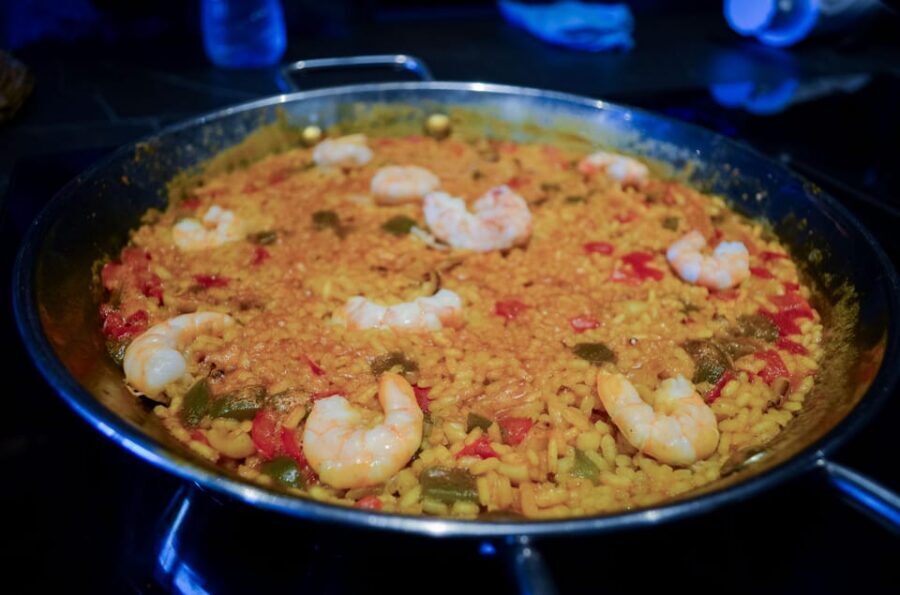
The core of the experience is a classic Spanish paella cooking session that’s truly hands-on. You learn how to blend fresh ingredients and traditional spices, then you cook your own version to eat.
The best paella classes teach technique, not just recipes. One of the take-home tips shared is that the technique matters most for getting it right at home. A specific recommendation that stands out: keeping it more seafood-forward—shrimp and cuttlefish—and leaving out heavier proteins. That’s the kind of guidance that actually helps you reproduce results without overcomplicating things.
Here’s what you can expect to learn in a practical way:
- How to manage the flavor base so the dish tastes balanced, not harsh or one-note
- How ingredients contribute texture and taste, especially seafood
- How seasoning and timing come together so the paella doesn’t become just rice with extras
And because it’s paired with the earlier olive oil tasting and market ingredient awareness, you’re less likely to lose the thread. You’re tasting and connecting the dots while you cook, not after the fact.
If you’ve ever cooked paella and wondered why it didn’t taste like the one you ate in Spain, this is the type of class that targets that gap—where you start, what you add, and when.
You can also read our reviews of more tours and experiences in Malaga

Gazpacho + Sangría + Wine/Beer + Churros: Lunch That Feels Like a Full Plan
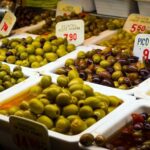
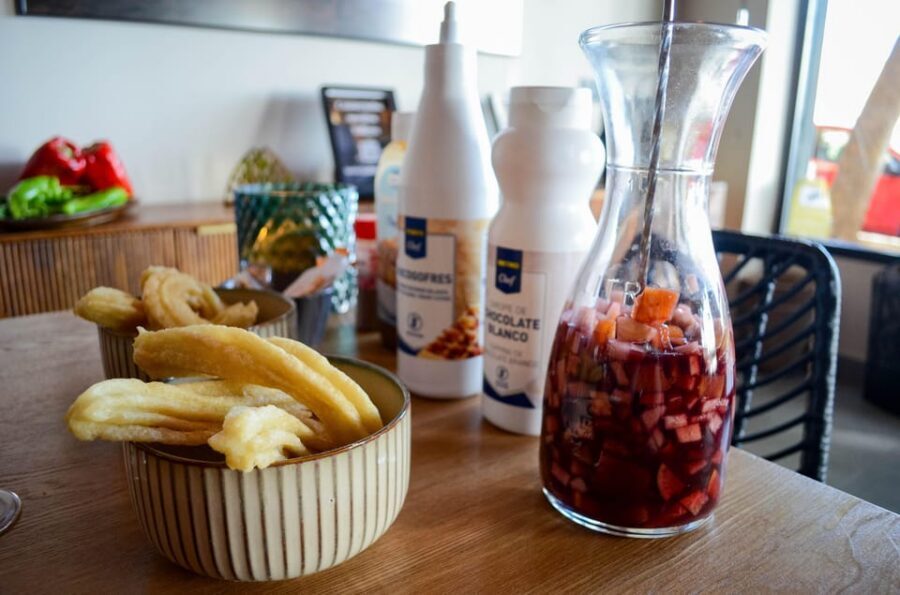
Paella is the headline, but the meal is built like a complete Spanish lunch. You’ll also prepare homemade gazpacho, which is a great pairing because it cools and refreshes your palate after cooking.
Then there’s the drinks and dessert:
- Sangría is included
- You’ll have wine or beer with your meal
- Churros are included
This matters for value because you aren’t paying extra for sides, drinks, or dessert. The class builds a full food experience that mirrors how Spaniards often think about a meal: multiple parts, not one dish and a snack.
Also, gazpacho is the kind of recipe that travels well home. It’s not just flavor; it’s technique and balance, and it works especially well once you’ve tasted the local olive oil earlier in the day.
Dietary Notes and Group Energy: Easygoing, International, and Flexible
The class includes a strong element of real-world practicality: dietary needs can be considered. One review specifically calls out that the team considered food intolerances. So if you have dietary restrictions, this is a situation where it’s worth flagging them during booking.
What you’ll likely like about the group vibe is the mix of nationalities. Several people comment on meeting fellow cooks from different countries, which makes the class more fun and less stiff. And when you’re cooking, conversation naturally happens around the pan: what you’re adding, how the texture should look, and what you’re tasting.
One small caution: you should still plan to move lightly. Since luggage and large bags aren’t allowed, come with what you can comfortably carry to the market area and kitchen.
Price and Value: Why $94 Often Feels Fair Here
At $94 per person for about 3.5 hours, this isn’t a cheap activity. But it’s also not just a ticket to a meal. You’re paying for:
- a market-style ingredient introduction
- hands-on chef-led instruction for paella (the main skill)
- olive oil tasting before cooking
- homemade gazpacho preparation
- included lunch food plus sangría, wine/beer, and churros
- an included apron you can take home
- recipes sent to you the next day
That bundle is the key. Cooking classes can become expensive when they’re mostly watching and tasting. Here, the learning and the eating are connected, and you leave with more than just a full stomach—you get a follow-up through the recipe materials.
If you’re the type who cooks at home and wants real technique, this price has clearer logic. If you only want to eat and don’t care about learning steps, you might decide it’s more than you need. But if you want a memorable Málaga food day with skills attached, the value looks strong.
Practical Details: Meeting Point, Parking, and Timing That Affects the Day
You meet at the Kulinarea kitchen at Av Manuel Agustín Heredia 24. Parking is available in front at Parking de La Marina underground. If you’re driving, this setup is fairly straightforward: you can park close to where the class begins.
Timing affects what you do most. Weekday and Saturday morning sessions include the relaxed Atarazanas Market walk. Sundays and evening sessions skip the market part and head straight to the kitchen, because the market is closed.
That’s not a dealbreaker, but it does change the feel of the day. If a market stroll is your top priority, book a weekday or Saturday morning. If you’d rather get cooking right away and don’t care about market wandering, the kitchen-first timing works well too.
Who Should Book This Málaga Class (and Who Might Skip It)
You’ll probably be happy with this experience if:
- you want a paella lesson you can actually repeat
- you like market-and-food planning before cooking
- you enjoy Spanish drinks and classic meal parts like gazpacho and churros
- you want recipes afterward, not just a one-day memory
You might want to skip it or consider a different option if:
- you want only sightseeing and no cooking time
- you’re traveling with big luggage or need lots of baggage space
- you’re not interested in hands-on instruction and prefer eating out on your own schedule
For most people, the sweet spot is that you get a guided food day that still leaves you energized afterward. It’s structured but not stiff.
Should You Book This Málaga Paella and Sangría Cooking Class?
I’d book it if you want a cooking class that feels like more than a meal and gives you something to cook later. The combination of Atarazanas Market (on the right days), olive oil tasting, chef-led hands-on paella, and a full lunch with sangría and churros is a strong mix for the time and price.
Choose it especially if you care about learning technique and flavor balance. If you do your homework on one thing, make it the market timing: weekday and Saturday morning sessions give you the ingredient walk, while Sundays and evenings focus on the kitchen side.
FAQ
FAQ
How long is the Málaga paella and sangría cooking class?
It lasts about 3.5 hours.
Where is the meeting point?
The meeting point is the Kulinarea kitchen at Av Manuel Agustín Heredia 24.
Is there an Atarazanas Market visit?
Yes, during weekday and Saturday morning sessions you’ll take a relaxed walk to the Atarazanas Market. On Sundays and during evening sessions, the market is closed and you go straight to the kitchen.
What language is the tour guide?
The live tour guide speaks English.
What’s included in the price?
Included are olive oil tasting, sangría, homemade gazpacho, paella, wine or beer with the meal, churros, and a Kulinarea apron.
Do you get recipes to take home?
Yes. All recipes are sent the next day.
Can the class accommodate food intolerances?
The experience information and feedback indicate they consider intolerances. It’s best to mention your needs when you book.
Are luggage or large bags allowed?
No. Luggage or large bags are not allowed.
Is there parking near the meeting point?
Yes. There is underground parking in front called Parking de La Marina.