REVIEW · MALAGA
Malaga: The Ultimate Tapas Workshop with Market Visit
Book on GetYourGuide →Operated by Kulinarea · Bookable on GetYourGuide
Tapas gets real when you cook them. In Malaga’s Kulinarea class, you walk to Atarazanas Market and then cook classic plates with an English-speaking chef team like Felipe or Alba, learning what tapas means beyond just ordering small plates. Two things I like: you’re not just watching, you’re actively making the food, and you get paired drinks like sangría and local wine as you go. One possible drawback: it is not suitable for vegans, and you’ll need to flag dietary needs before the class starts.
Here’s the best part of the format: even though you’re learning the tradition, the class is built to feel like a working kitchen, not a lecture. You’ll either do the daytime market visit (morning Monday to Saturday) or go straight to the kitchen on Sundays and evenings when the market is closed, then eat what you make and take home a Kulinarea apron.
In This Review
- Quick hits: what makes this tapas workshop special
- Malaga tapas for real: market walk, kitchen work, and eating what you cook
- Atarazanas Food Market: what you’re learning before the stove
- Sunday and evening sessions: going straight to the Kulinarea kitchen
- Your tapas menu: from sangría to Tortilla de patatas and Pedro Ximénez
- Sangría: learn the “party drink” logic, not just the recipe
- Fideos tostados: crispy texture is the point
- Tortilla de patatas: the skills you’ll use forever
- Solomillo al Pedro Ximénez: sauce depth, not spice fireworks
- Churros: the sweet punctuation mark
- Pairing drinks the Spanish way: sangría, wine, and sharing small plates
- Who leads the class, and why the teaching style matters
- Vegetarian diners and allergy needs: what you can realistically expect
- Value check: what you get for $78 and what you should plan for
- Is this tapas workshop for you? Best matches and clear limits
- Should you book this Malaga tapas workshop?
- FAQ
- Is the Atarazanas Market visit included?
- What’s the duration of the workshop?
- What’s included in the price?
- Do I get recipes to take home?
- Is this class suitable for vegans?
- What if I have dietary requirements or allergies?
- What language is the tour guide?
- Where is the meeting point?
- How do cancellation and pay-later options work?
Quick hits: what makes this tapas workshop special
- Atarazanas Market visit in the daytime class so you see ingredients in context, not just on a cutting board
- Hands-on cooking, with guidance at every step, so you leave knowing how to replicate the menu
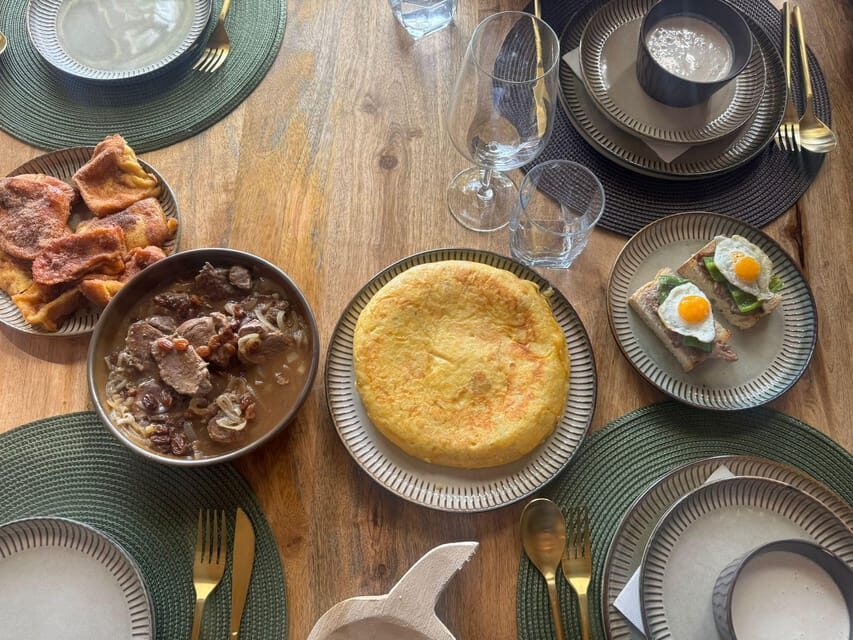
- Classic Malaga menu that includes Tortilla de patatas and a Pedro Ximénez sauce course
- Sangría plus drink pairings during the meal, not just a sip at the end
- Diet support when possible, including vegetarian adaptations and allergy precautions when informed ahead
- Take-home Kulinarea apron and recipes for your next night of tapear at home
Malaga tapas for real: market walk, kitchen work, and eating what you cook
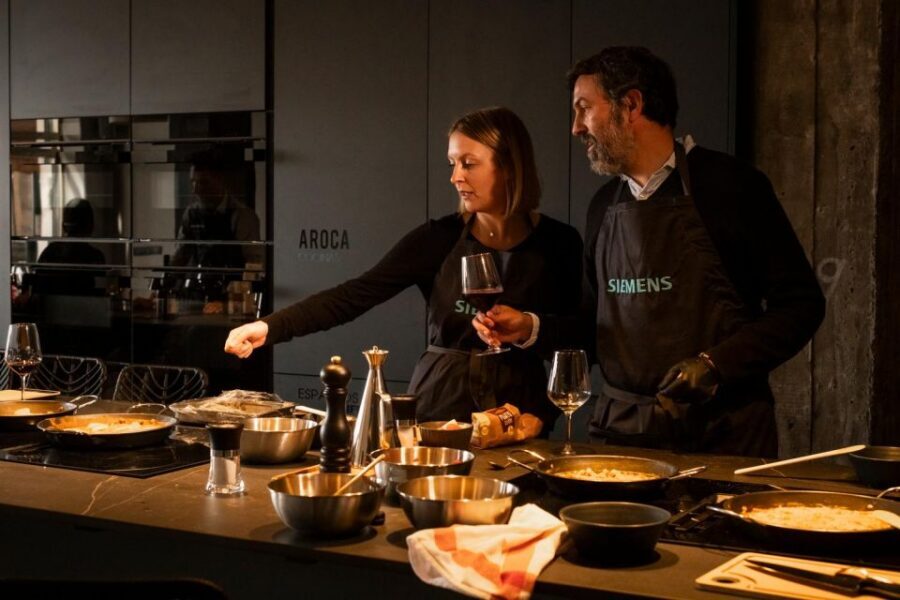
This is a 3-hour cooking class in Malaga aimed at one goal: helping you understand tapas as a culture, then actually putting that knowledge to work in the kitchen. For $78 per person, you get a guided food experience that includes a market visit (on specific days/times), the ingredients and equipment for cooking, the recipes, and the meal you make.
Why that price feels fair: you’re not only paying for instruction. You’re paying for the market leg (where you learn what to choose), the full cooking setup, and the fact that you eat the results while drink pairings are included (sangría plus wine/beer/soft drinks). In other words, it’s hard to “pay and walk away hungry.”
The class is led in English by a live guide, and the kitchen team includes a local chef and local guide. Across recent sessions, guides named Felipe, Javier, Carmen, and Alba have shown up in the mix, with support from chef/helpers such as Pepo.
You can also read our reviews of more shopping tours in Malaga
Atarazanas Food Market: what you’re learning before the stove
If you book a morning session from Monday to Saturday, your class starts with a short walk to the Atarazanas Food Market. This matters because tapas is built on smart choices of simple ingredients. You can’t really understand that from a menu on a restaurant wall.
At the market, your guide helps you connect names to ingredients and ingredients to technique. You’ll get a feel for how local flavors show up in real cooking, which makes the recipes later feel less like foreign steps and more like logical moves.
Here are a few practical ways to get more out of the market portion:
- Ask what makes an ingredient “right” for tapas-style cooking, not just what it is.
- Notice how often the menu uses high-impact staples: eggs, potatoes, noodles, and well-chosen sauce flavors.
- Pay attention to what you’re told to buy or look for, because later you’ll be cooking with items chosen for the class menu.
One scheduling point to know: the market visit is part of the daytime class, but the market is closed for evenings, Sundays, and national holidays. If you’re booking an evening session, expect a shorter lead-in and more time focused directly on cooking.
Sunday and evening sessions: going straight to the Kulinarea kitchen
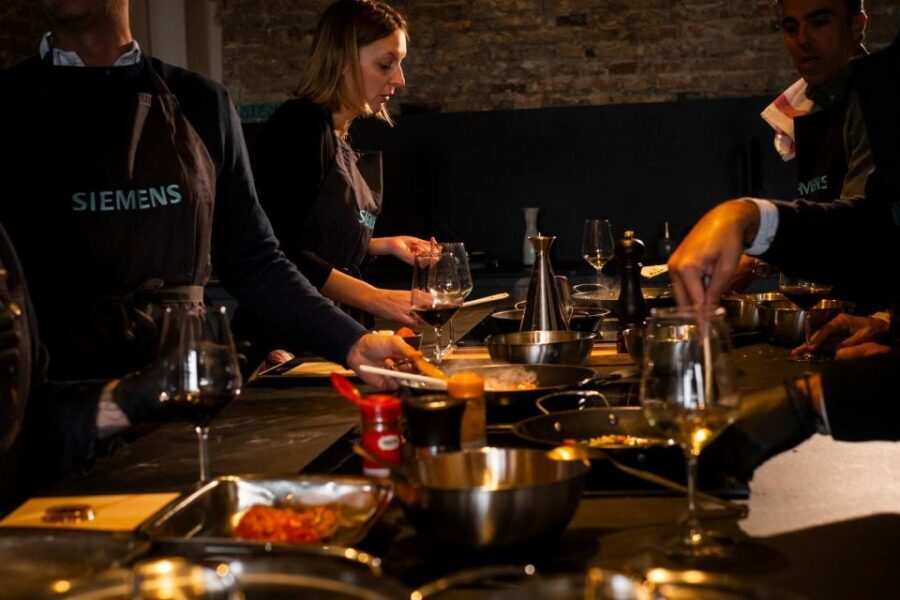
On Sundays and in the evenings, you won’t stop at Atarazanas. Instead, you go straight to the next step in a kitchen space in Malaga’s artistic Soho District area, close to the market.
This isn’t a worse option; it’s a different one. If your priority is hands-on cooking and you don’t want to plan around market hours, the evening/Sunday format can be a smoother fit. You still get the same core idea: cooking tapas with guidance, then eating what you make.
The kitchen is also where the class turns practical. You’ll work like you would at home: prep first, then technique, then finishing and tasting. That kitchen time is the part where you build confidence.
Your tapas menu: from sangría to Tortilla de patatas and Pedro Ximénez
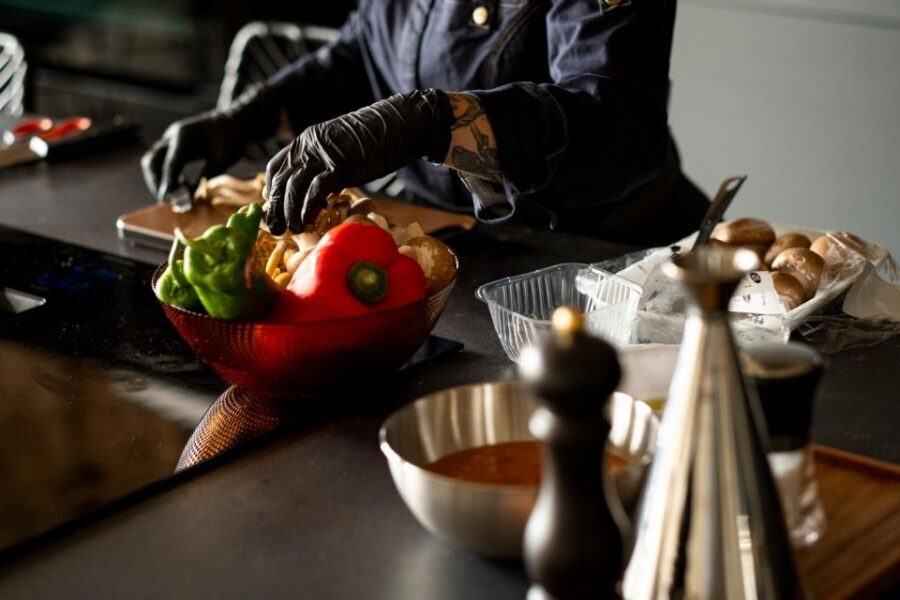
The menu is a sample and can shift based on seasonal availability or dietary needs. Still, the core dishes follow a Malaga tapas backbone. You can expect a sequence that blends easy-to-recognize favorites with classics that reward correct technique.
A typical menu includes:
- Sangría
- Fideos tostados (crispy noodles)
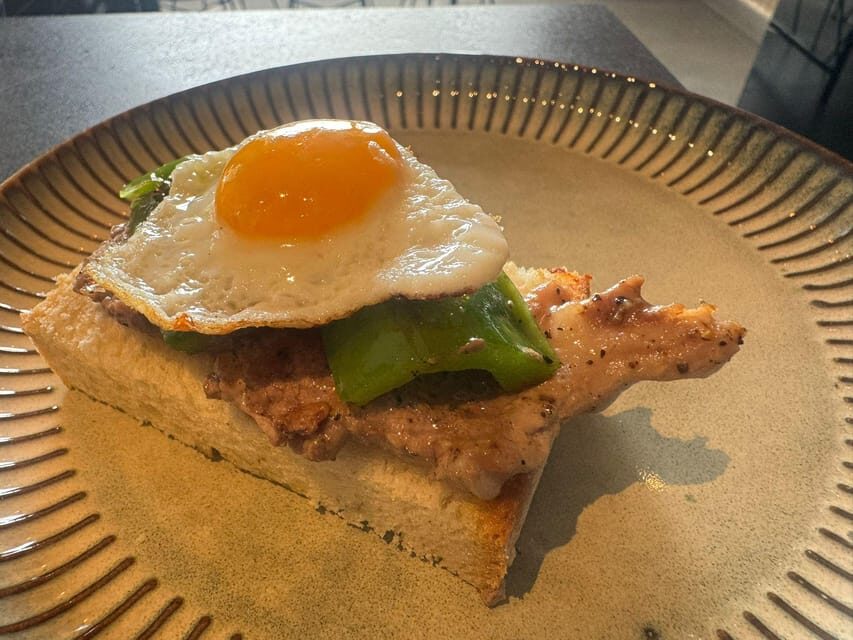
- Tortilla de patatas (traditional Spanish omelette)
- Solomillo al Pedro Ximénez (sirloin with Pedro Ximénez sauce)
- Churros
Let’s translate what these choices mean for you, as a home cook.
Sangría: learn the “party drink” logic, not just the recipe
Sangría is often treated like a vague mixture, but in a workshop setting you’ll learn it as part of the meal rhythm. You’ll likely understand how it’s served and how it supports the food rather than overpowering it.
You can also read our reviews of more tours and experiences in Malaga

Fideos tostados: crispy texture is the point
These crispy noodles teach you a key tapas lesson: texture matters. You’re not aiming for a soft noodle situation. You’re learning how to create a crunch or toast effect and why timing and heat control are everything.
Tortilla de patatas: the skills you’ll use forever
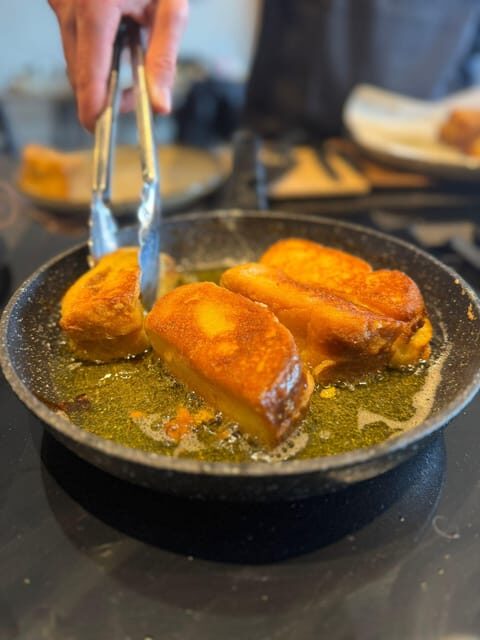
If there’s one dish that turns a tapas class into a lasting skill, it’s tortilla de patatas. You’ll learn the method behind a Spanish omelette that’s simple on paper but easy to mess up if your heat and timing are off.
This is also where the hands-on format really shines. When you actively work on the omelette process, you learn what the chef wants you to notice: consistency, doneness, and how the tortilla should feel when it’s finished.
Solomillo al Pedro Ximénez: sauce depth, not spice fireworks
Pedro Ximénez is a style of sherry known for deep sweetness and dark fruit notes. In tapas cooking, that kind of sauce adds warmth and richness without needing complicated plating tricks. You’ll learn how the sauce changes the mood of the plate.
Churros: the sweet punctuation mark
Churros usually land as the comfort finale. Even if you’ve had them before, learning how they’re prepared in a class helps you bring that same texture and shape control to your own attempts later.
Pairing drinks the Spanish way: sangría, wine, and sharing small plates
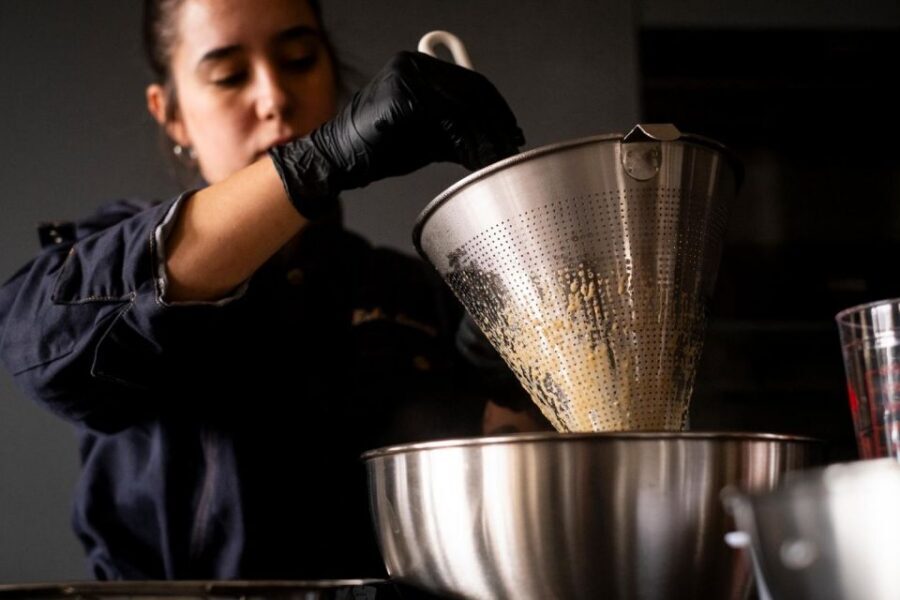
Tapas is about sharing, but it’s also about pacing. This workshop includes drink pairings so you taste the food in the same order and mood you’d find during an evening of tapear.
You’ll get sangría with the menu, plus wine, beer, or soft drinks included. The wine pairings are described as selected and made from regional grapes, which is exactly the right level of detail for a cooking class: you want the drink to support the dish, not become a separate history lesson.
A helpful tip for getting more out of the pairing: taste, then cook. If you notice a flavor shift after one dish, you can ask about why it happens, and that makes the next recipe easier to understand.
Also, the class setup is built for conversation. Several participants mentioned the relaxed atmosphere and the fact that it doesn’t feel awkward even if you start as strangers. When you’re working at a shared station, the social part happens naturally.
Who leads the class, and why the teaching style matters
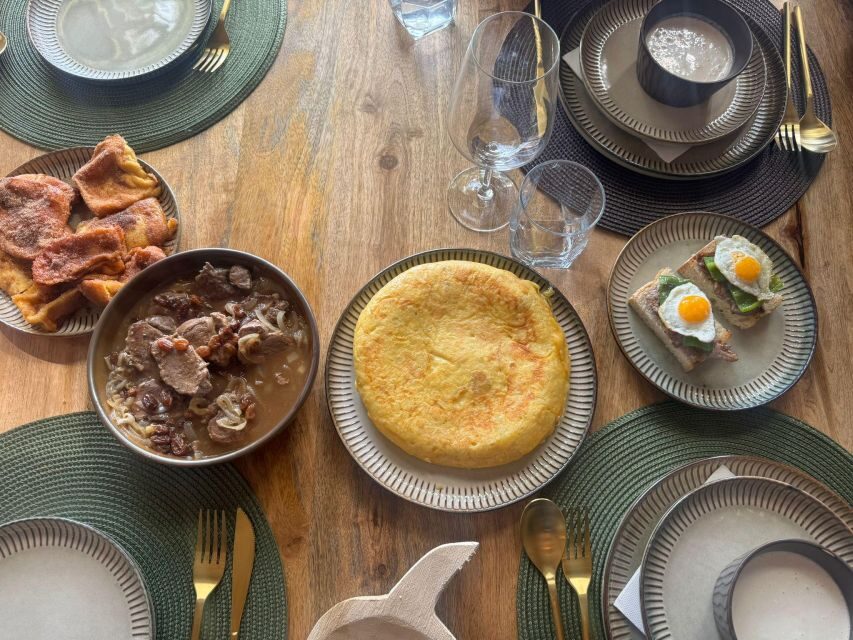
A great tapas class doesn’t just teach recipes. It teaches judgment: how to decide when something is ready, what to adjust, and how to recover if your first attempt is off.
That’s where the local team matters. Recent sessions have included English guides such as Felipe, Javier, Carmen, and Alba, with chef support from people like Pepo. The consistent theme across these roles is clear, step-by-step instruction and time for everyone to participate.
One thing you should care about as a buyer: this is not built like a show where the chef does everything and you eat at the end. People highlighted that the workshop format has you cooking the dishes yourself. That’s a big difference, especially if your goal is to replicate the menu later.
Vegetarian diners and allergy needs: what you can realistically expect
This workshop is not suitable for vegans. That’s an important boundary.
But it can still work well for other diets if you tell the team in advance. Vegetarian options have been adapted, and allergy handling is taken seriously when you notify them ahead of time (including precautions aimed at avoiding cross contamination).
So if you have dietary constraints, don’t treat the question as an afterthought. Contact the operator before your session and be specific about what you need and what you can’t eat.
Value check: what you get for $78 and what you should plan for
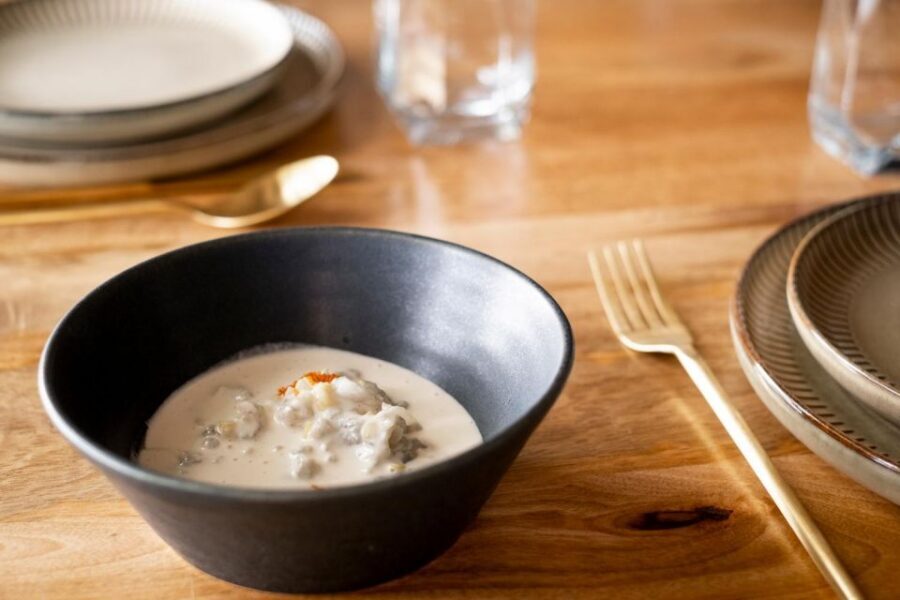
Here’s what’s included:
- Atarazanas Market visit for daytime classes (not evenings, Sundays, or national holidays)
- Ingredients and equipment for making your own tapas
- Sangría
- Wine, beer, or soft drinks included
- You eat the food you make
- Local chef and guide
- All recipes
- Kulinarea apron as a take-home gift
What’s not included:
- Pick-up or drop-off
- Other drinks beyond what’s stated
The take-home apron and recipes are more than cute extras. They make it easier to bring Malaga into your next home meal without having to reconstruct everything from memory.
For logistics, you meet at Kulinera, Av Manuel Agustín Heredia 24. There’s underground parking in front called Parking de La Marina. If you’re driving, this is useful to know before you circle streets with limited patience.
One small “plan ahead” item: the class rules say baby strollers, bikes, baby carriages, and bare feet are not allowed. If that affects your group, consider choosing a session that fits your setup.
Is this tapas workshop for you? Best matches and clear limits
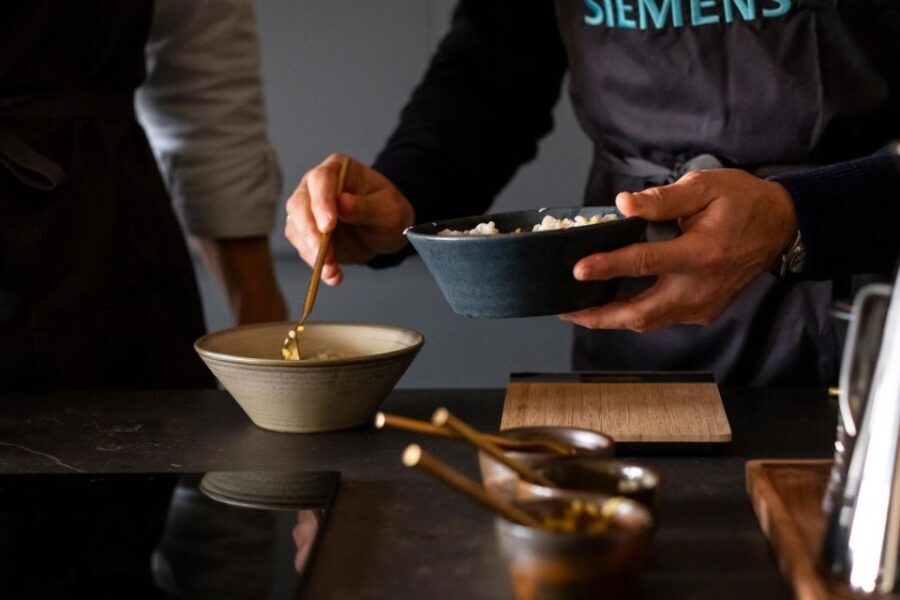
This is a strong fit if you:
- Want a hands-on cooking experience rather than a tasting-only tour
- Like market-to-kitchen learning (especially if you’re doing the daytime slot)
- Enjoy classic Malaga flavors and want recipes you can repeat
- Prefer an English-guided format with a real kitchen team
It’s not the best match if you’re:
- Vegan (explicitly not suitable)
- Looking for a long, slow cultural walking day with minimal cooking
- Traveling with restrictions that conflict with the class rules (like strollers or bare feet)
If you’re the kind of traveler who keeps thinking about tortilla de patatas after you leave Spain, this class is built for that itch. And if your group includes people who don’t all want the same restaurant experience, a shared cooking task usually makes the time feel fair.
Should you book this Malaga tapas workshop?
Book it if you want a practical Malaga souvenir: a menu you can cook again, a market context you can remember, and a fun 3-hour session that turns food knowledge into muscle memory. With market time, hands-on instruction, and included drinks, it’s also a good value if you’d otherwise pay separately for a guided food experience and a meal.
Skip it if vegan cooking is your priority, or if you’re the type who hates kitchen work (because even with guidance, you’ll be cooking). If you have allergies, book with confidence only if you’ve already shared dietary needs in advance.
If you’re trying to pick one tapas experience in Malaga, this is the kind that gives you something concrete to bring home. And yes, the apron is a nice bonus for the kitchen shelf.
FAQ
Is the Atarazanas Market visit included?
Yes, but only for daytime classes. The market is closed for evenings, Sundays, and national holidays, so those sessions go straight to the kitchen.
What’s the duration of the workshop?
It lasts 3 hours.
What’s included in the price?
You’ll get the market visit (when applicable), ingredients and equipment, sangría, wine/beer/soft drinks, the food you cook, a local chef and guide, recipes, and a Kulinarea apron.
Do I get recipes to take home?
Yes. All recipes are included.
Is this class suitable for vegans?
No, it is not suitable for vegans.
What if I have dietary requirements or allergies?
You should let the team know before the class. The menu can be adjusted to accommodate dietary restrictions, and allergy care is handled when you inform them ahead of time.
What language is the tour guide?
English.
Where is the meeting point?
Av Manuel Agustín Heredia 24, at Kulinera. There is underground parking in front called Parking de La Marina.
How do cancellation and pay-later options work?
You can cancel up to 24 hours in advance for a full refund. There’s also a reserve now & pay later option.