REVIEW · MALAGA
Paella and Sangria Workshop in Malaga
Book on Viator →Operated by Lebasi Taller de Cocina · Bookable on Viator
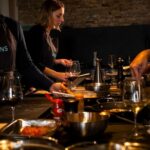
Your next meal lesson starts in Malaga. In this 3-hour hands-on workshop, you’ll cook classic dishes from the Costa del Sol and Spain, then sit down to eat what you made. It’s timed like a real dinner plan: prep, cook, make fresh sangria, and finish with a traditional sweet.
What I like most is the focus on practical technique, especially the rice side of paella. I also love that the class blends food with local flavor stories, with instructors like Diego showing step-by-step how to get the taste right (and not just the motions).
One thing to consider: if you’re picky about spice or sweetness, check how the sangria and paella are made for your group. One diner called out heavier paprika and a 0 sugar flavor style as not quite their preference—so it’s worth flagging your tastes upfront.
In This Review
- Key highlights you shouldn’t miss
- Entering a Malaga kitchen at C. Martínez Campos
- The 3-hour menu: ajoblanco, Malagueño soak, and Valencian paella
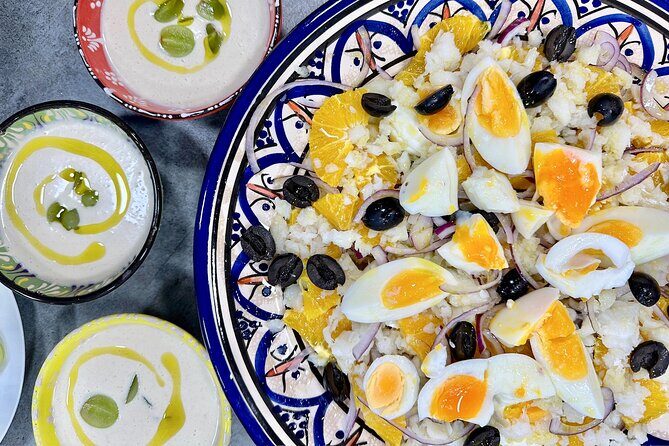
- Starter 1: ajoblanco (white garlic)
- Starter 2: Malagueño soak
- Main: Valencian paella (the original style)
- Sangria while you cook: fresh, shared, and easy to match
- The instructors and teaching style: step-by-step, plus stories
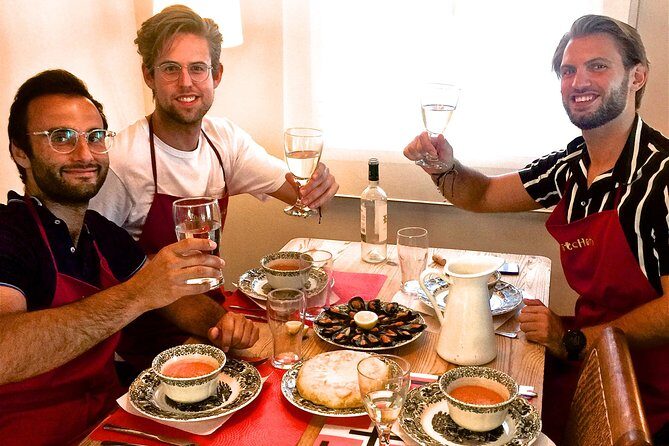
- Eating what you make: the payoff at the table
- Price and value in plain terms
- Who this Malaga paella and sangria class is best for
- Should you book this paella and sangria workshop in Malaga?
- FAQ
- Where is the paella and sangria workshop meeting point?
- How long is the experience?
- Is the class offered in English?
- How big is the group?
- Can I request vegan, vegetarian, or gluten-free options?
- What dishes will we cook and taste?
- Is there free cancellation?
Key highlights you shouldn’t miss
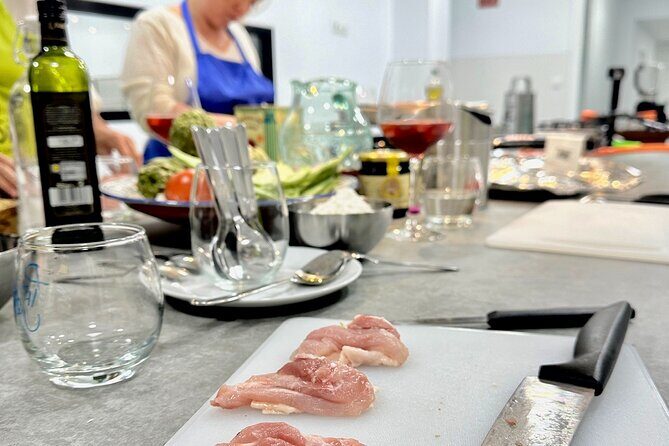
- Three dishes, not just one: ajoblanco, Malagueño soak, and Valencian paella, plus tasting at the end
- Sangria you make, not just drink: you’ll prepare it during the class and enjoy it with your meal
- Small groups (max 14): more hands-on time and a friendlier pace than big classes
- Real paella technique help: guidance aimed at getting the rice and liquid ratios right
- Culture and kitchen tips woven in: instructors share context while teaching, including cooking methods
- Dietary options with notice: vegan, vegetarian, and gluten-free alternatives are available if you request them
Entering a Malaga kitchen at C. Martínez Campos
This class starts at C. Martínez Campos, 15, in Distrito Centro, and it ends back at the same meeting point. That matters because you can actually plan the rest of your day without a long commute or a confusing maze of transfers. It’s also near public transportation, which is handy if you’re bouncing between sights.
You’ll get a mobile ticket, and the tour is offered in English. The group size is capped at 14, so you’re not just watching from the edge—you should have enough space to follow along and cook, not hover.
The duration is about 3 hours, which is a smart length for people who want more than a quick food demo. And with a confirmation window of up to 48 hours (when available), it’s the kind of activity you can lock in once your Malaga plans look solid. Also: it’s commonly booked around a month ahead, so if you see a slot that fits your schedule, grab it.
You can also read our reviews of more tours and experiences in Malaga
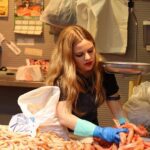
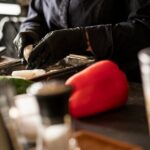
The 3-hour menu: ajoblanco, Malagueño soak, and Valencian paella
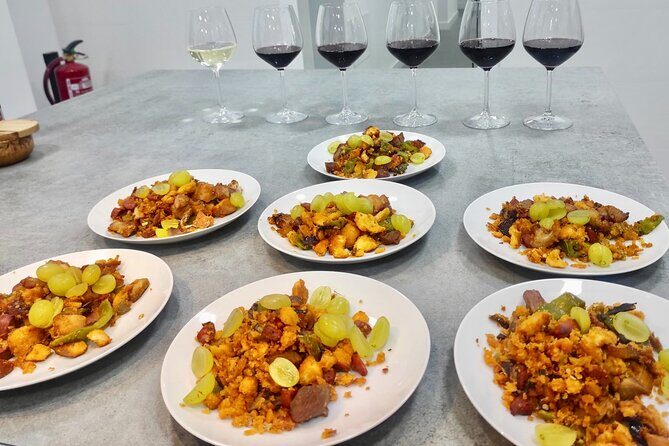
The workshop is structured around three dishes you’ll cook and then taste together. That’s a big deal. A lot of cooking classes stop at tasting a bite. Here, you end with a proper meal built from your work.
Starter 1: ajoblanco (white garlic)
You start with ajoblanco, a cold soup made with almonds that’s traditionally enjoyed chilled. This is a clever opener because it teaches flavor building without the pressure of timing a hot dish. It also gives you a different sense of Andalusian cooking: creamy, nutty, and refreshing instead of heavy.
If you’re someone who thinks Spanish food is all about grilled meat, this is the correction. Ajoblanco shows how local ingredients can create a complete dish even when it’s served cold.
Starter 2: Malagueño soak
Next comes Malagueño soak, a dish described as very typical of the Costa del Sol. In the classroom vibe, this often lands like a starter you can assemble and understand in parts, then plate to taste. One reason I think people like this course is variety: you’re not just repeating the same ingredient set for every dish.
This step also helps you get into the rhythm of the kitchen. You’ll learn how the instructors organize tasks, what they watch for, and how they keep the group moving.
Main: Valencian paella (the original style)
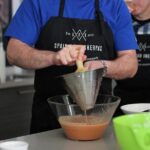
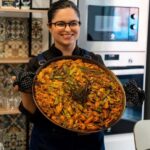
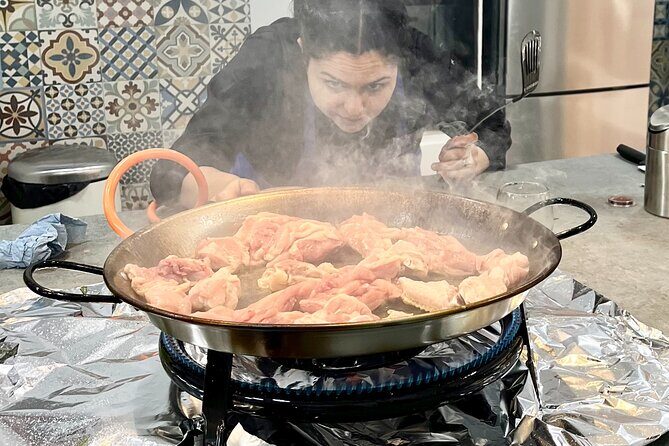
Then you hit the star: Valencian paella. Paella has a reputation for being complicated, mostly because at home people struggle with the rice-to-liquid ratio and cook timing. The class is built to solve that exact problem with hands-on technique.
One detail from participant experiences: in this workshop’s paella version, the dish may be made with chicken rather than seafood. That’s not a bad thing—it can still be classic and it keeps the flavor profile approachable. But if you’re expecting a seafood paella only, it’s smart to note that this class may teach the original-style approach they use.
You’ll also get the kind of guidance that turns paella from a mystery into a repeatable method. Think: what to measure, what to adjust, and how to avoid the common home mistakes around rice texture.





Sangria while you cook: fresh, shared, and easy to match
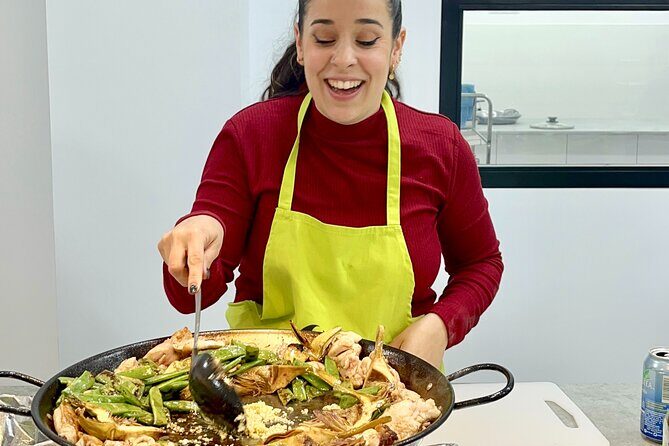
The workshop doesn’t treat sangria as a separate bar stop. It’s part of the kitchen flow. While you cook your dishes, you’ll also make sangria to complete the experience, then enjoy it later with your meal.
A few reviews point out that sangria is made fresh during the class. People also mention there are many beverage choices at the meal time, which can make the whole evening feel less like a demo and more like dinner with friends.
One note of caution: since one participant disliked the paella and sangria due to heavier paprika and a 0 sugar flavor style, pay attention to how your sangria tastes in the moment. If you have strong preferences—very sweet, very dry, no spice—say something early. The class is small enough that your input can matter.
Sangria also works as a teaching tool here. It helps you experience Spanish flavor in a drink format, not just on a plate. And if you’re taking food lessons home, this is one of the easiest parts to recreate.
The instructors and teaching style: step-by-step, plus stories
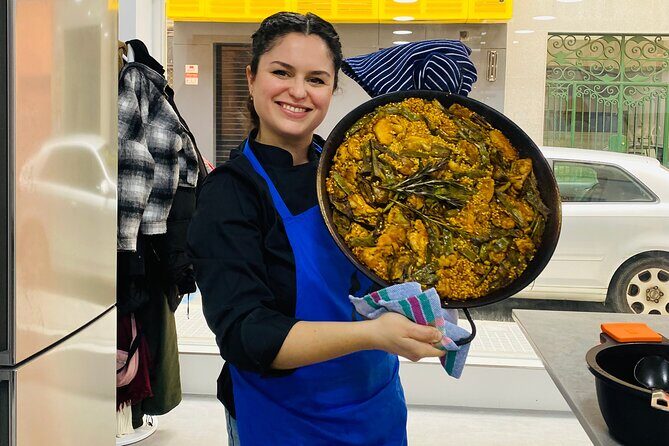
This is one of those workshops where the teaching method seems to be the secret ingredient. Multiple people single out Diego for explaining things clearly and guiding step-by-step, including tips to make flavors taste better. Others mention Laura and Nahuel as friendly hosts who keep the atmosphere relaxed while staying focused.
The class also tends to be interactive. You’re not just standing there holding a wooden spoon. You should be actively involved enough that questions come naturally. One review even describes the group as a mix of ages, with a 13-year-old participating fully, and another notes it felt suitable from kids to older adults.
What’s especially valuable is that you don’t just learn what to do—you learn why. When instructors add origin stories and regional context, it turns the meal into something you can talk about later. And it helps you remember technique too, because it’s tied to real food culture rather than random kitchen steps.
Eating what you make: the payoff at the table
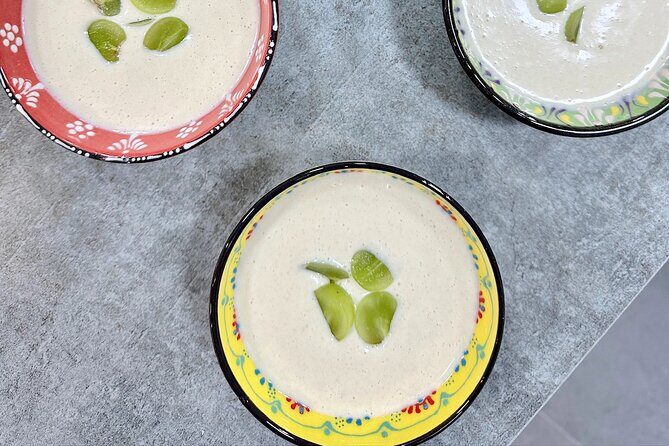
The best part is at the end: you sit down and eat everything you cooked. The format is simple, and that’s good. You don’t spend 90% of the time cooking and then get a tiny taste. You should expect a full, satisfying meal.
From the course structure, your table spread is built around:
- cold, almond-based ajoblanco
- Malagueño soak as a starter
- Valencian paella as the main
- an Andalusian dessert sorbet to close
The dessert being a sorbet matters more than it sounds. It keeps the meal feeling lighter after paella and sangria, and it gives you that clean Spanish finish that doesn’t leave you stuffed.
Some people mention they received tips and recipes after the class, or were asked to share them by email. I’d treat recipes as a bonus you may get, not a guaranteed take-home document. Either way, the techniques you learn—especially paella rice control—are the real souvenir.
Price and value in plain terms
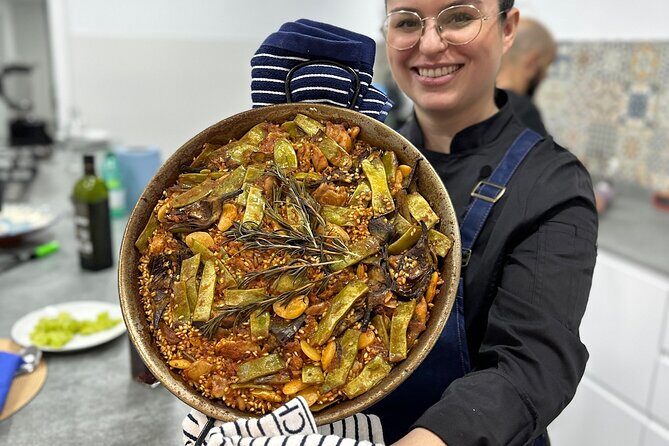
At $84.66 per person for about 3 hours, you’re paying for more than a tasting. You’re paying for instruction, hands-on cooking time, and a built-in meal plus fresh sangria and dessert. In a small group of up to 14, that price can feel fair because the class isn’t scaled like a factory line.
Here’s how I’d judge value for your situation:
- If you want to learn technique you can repeat at home, this class is built for that.
- If you mainly want atmosphere, you’ll still enjoy it, but the real value is in the cooking guidance.
- If you’re on a strict schedule, the 3-hour block is compact and easy to fit.
Dietary options are another value signal. Vegan, vegetarian, and gluten-free choices exist with prior notice. If you need an adjustment, send the request when you book so the kitchen can plan. That turns a potentially awkward situation into a smooth experience.
Who this Malaga paella and sangria class is best for
This workshop fits a wide range of people. One review describes it as fun for families, with different ages enjoying the class. That tells me it’s not a “only for serious chefs” setup. You can show up with zero cooking confidence and still feel like you’re part of the process.
You’ll probably love it if:
- you want a hands-on Spanish cooking experience, not just a food walk
- you’re staying in central Malaga and want something that starts and ends nearby
- you want paella technique you can actually apply at home
- you like your food lessons with some culture and kitchen tips mixed in
- you’re traveling with others and want a relaxed group activity
It might be less ideal if you have very specific tastes (like zero spice tolerance or strict rules about alcohol sweetness). The class does offer substitutions for dietary restrictions, but flavor preferences are always more personal—so communicate your needs early.
Should you book this paella and sangria workshop in Malaga?
If you want a memorable Malaga evening that mixes cooking skill with real eating, this is an easy yes. The workshop’s biggest strength is that it teaches how to make the dishes—especially paella—while keeping the tone fun and relaxed. Add the fresh sangria and the cold-and-hot balance of the menu, and you get a full sensory meal in a small group.
Book it if you value technique, want to meet other people in an unforced way, and like the idea of learning at least two starters plus the paella main. Pass or reconsider if you know you’re very sensitive to spice or very particular about sangria style, and you don’t feel comfortable communicating preferences ahead of time.
FAQ
Where is the paella and sangria workshop meeting point?
The class meets at C. Martínez Campos, 15, Distrito Centro, 29001 Málaga, Spain, and it ends back at the same meeting point.
How long is the experience?
It lasts about 3 hours.
Is the class offered in English?
Yes. The workshop is offered in English.
How big is the group?
The group size is limited to a maximum of 14 travelers.
Can I request vegan, vegetarian, or gluten-free options?
Yes. Vegan, vegetarian, and gluten-free options are available if you notify the provider with prior notice.
What dishes will we cook and taste?
You’ll cook and taste ajoblanco (almond cold soup), Malagueño soak (Costa del Sol typical dish), and Valencian paella. You’ll also make sangria, and finish with an Andalusian dessert sorbet.
Is there free cancellation?
Yes. You can cancel for a full refund up to 24 hours in advance of the start time.