REVIEW · MALAGA
Malaga Walking Tour, Roman Theatre and Alcazaba with Tickets Included
Book on Viator →Operated by Málaga Guiada · Bookable on Viator
Malaga rewards feet first. This is a focused walking tour that ties the city’s main sights to Roman Theatre and Alcazaba ticketed access, so you’re not just looking—you’re understanding. I like the way the guide keeps things moving while still explaining why each place matters.
My second favorite part is the small group setup, capped at 10, which helps the pace feel relaxed and the monument visits feel efficient. I also appreciate the no-queue approach to the big ticket sites. One drawback: you don’t go inside Malaga Cathedral here—you only get guidance at the entrance area—so if you want full indoor time, you’ll need a separate plan for that.
In This Review
- Key highlights you’ll feel right away
- A first-timer route that keeps the big sights actually useful
- Price and what you’re really paying for
- Pace, meeting point, and how to plan your shoes
- Stop-by-stop: Malaga’s center first, then the ticketed monuments
- La Calle Larios: your quick orientation moment
- Plaza de la Constitucion: the city’s nerve center
- Plaza del Obispo: cathedral viewpoints and the story behind the façade
- Malaga Cathedral (from the entrance area): you learn without entering
- Picasso connections without wasting museum hours
- Museo Picasso Malaga entrance: context before you choose your own deep visit
- Tapas time after Picasso: plan on paying
- Parroquia Santiago Apostol: an old parish tied to Picasso
- Plaza de la Merced: birthplace area and the photo moment
- Teatro Romano de Malaga: Roman power with a guided path inside
- Alcazaba: Muslim-era fortress views that actually hit
- Guides matter: the difference between facts and good storytelling
- Who should book this tour (and who might want something else)
- Practical tips that make the day smoother
- Should you book this Malaga Walking Tour?
- FAQ
- How long is the Malaga Walking Tour, Roman Theatre and Alcazaba?
- What’s included in the ticket price?
- Do you enter Malaga Cathedral during the tour?
- Is food or alcohol included?
- What group size should I expect?
- Can I cancel for a full refund?
Key highlights you’ll feel right away
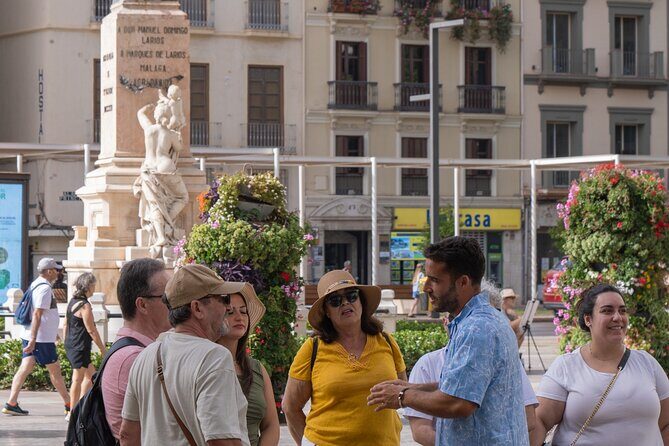
- Tickets included for Teatro Romano and Alcazaba, with access designed to reduce waiting
- Official guides who take their time explaining, not just pointing
- A smart first-timer route through central Malaga squares and landmark streets
- Picasso connections at multiple stops, from museum entrance to birthplace area
- Tapas breaks timed into the walk, with time to try local spots (food isn’t included)
- Max 10 travelers, often turning the tour into a more personal experience on quieter days
A first-timer route that keeps the big sights actually useful
This tour works best as your “get oriented fast” day. You start in the center and walk through the public heart of Malaga—streets, squares, and cathedral viewpoints—then you hit two of the city’s most important monuments with tickets already sorted.
That pairing is the whole point. When you only visit Roman ruins and a Moorish fortress with zero context, you miss half the fun. Here, you’re guided through the what and the why as you move, so the sights make sense while you’re standing there.
You can also read our reviews of more tours and experiences in Malaga


Price and what you’re really paying for
At $81.82 per person for a 2 to 3 hour walk, it’s not a budget-only experience. But it’s also not just a guided stroll. You’re paying for an official guide plus entrance to the Roman Theatre and Alcazaba—two attractions people often spend extra time and money lining up for on their own.
Food and drink aren’t included, and tips aren’t included either. So budget for a couple of casual tastings if you want them. The value comes from how efficiently the tour bundles the ticketed monuments with guided context around them.
Pace, meeting point, and how to plan your shoes
The tour meets at Plaza de la Marina in Distrito Centro, starting at 10:30 am, and ends at Plaza de la Aduana. It’s close to public transportation, which helps if you’re arriving by bus or trying to squeeze this in before other plans.
The walking time is roughly 2 to 3 hours, with short stopovers throughout. With that pace, you’ll want comfortable shoes—Malaga is generally walkable, but you’ll be moving steadily through historic center streets.
One practical note: the tour requires good weather. If the day looks stormy, it may be rescheduled or refunded, so I’d keep your other plans flexible.
Stop-by-stop: Malaga’s center first, then the ticketed monuments
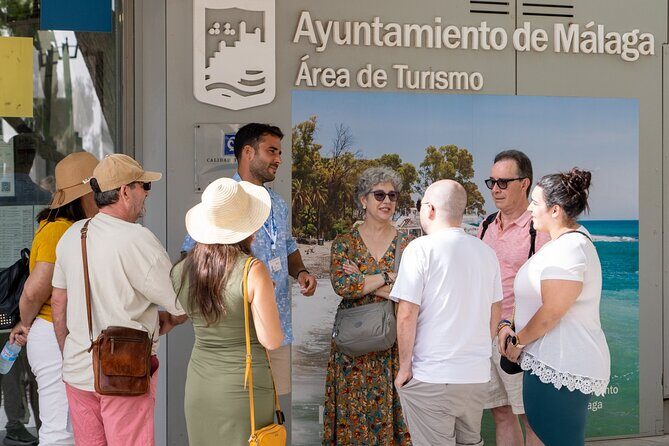
La Calle Larios: your quick orientation moment
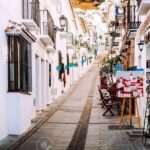
You begin on La Calle Larios, one of Malaga’s most emblematic streets. This is a great start because it instantly gives you the city’s layout—wide, central, and made for pedestrian movement. It’s the kind of place where you can orient yourself before your walk turns more historic.
Admission ticket is included here, but in practice this stop works more like context and orientation than a long museum-style visit.
You can also read our reviews of more walking tours in Malaga


Plaza de la Constitucion: the city’s nerve center
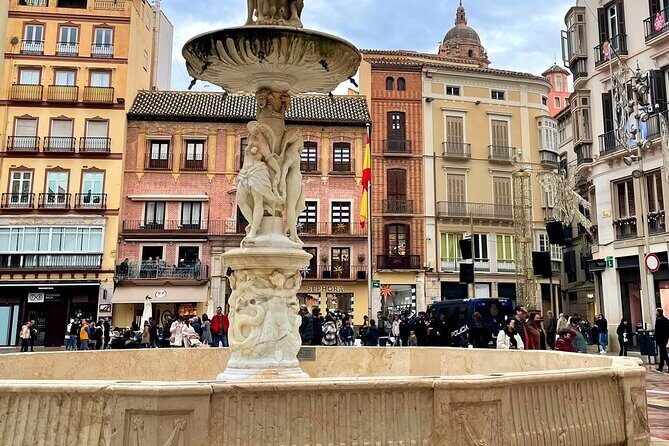
Next is Plaza de la Constitucion, Malaga’s main square. This is where street life happens and where the city’s energy feels concentrated. It’s also a smart stop because you’re absorbing “where am I” while your guide explains what this central hub means historically and today.
Plaza del Obispo: cathedral viewpoints and the story behind the façade
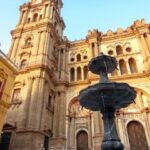
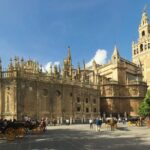
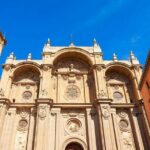
From there you move to Plaza del Obispo, positioned in front of the cathedral façade. This stop sets you up for understanding the cathedral complex without forcing you inside. You get commentary on part of its history, and you’ll know what you’re looking at when you reach the next point.
No tickets are required for this segment.
Malaga Cathedral (from the entrance area): you learn without entering
You’ll make a second stop at the entrance area of Malaga Cathedral. The tour does not enter the cathedral, but the guide explains the entire complex from the façade area so you still get the main ideas.
This is the one place where you might feel the limit of the tour format. If your dream is standing quietly inside a cathedral hall, you’ll have to add that on your own time. But for most first-timers, the exterior-focused explanation is a good use of time and keeps the schedule tight.
Picasso connections without wasting museum hours
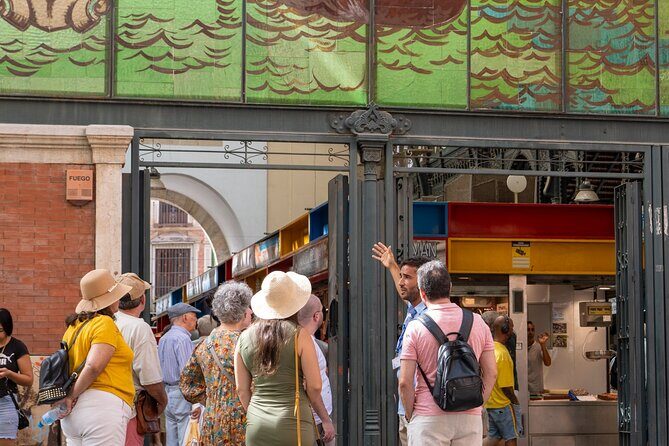
Museo Picasso Malaga entrance: context before you choose your own deep visit
At Museo Picasso Malaga, you stop at the entrance and get guided context about Picasso’s history, the collection, and how his life connects to what you see. The museum itself isn’t included as an entry here, so you’re not stuck with a long internal visit if you don’t want one.
This approach is practical. You get enough background to make a future independent museum visit feel more meaningful, and you still keep energy for the rest of the walk.
Tapas time after Picasso: plan on paying
After the Picasso entrance stop, you’ll head to a classic place in town to taste tapas. Food and drink aren’t included on the tour, so think of this as scheduled time to grab a local bite rather than a free meal.
I like this setup because it prevents the classic problem of hunting for tapas while hungry and rushed. You get the walk momentum, plus a built-in break.
Parroquia Santiago Apostol: an old parish tied to Picasso
The tour then crosses Parroquia Santiago Apostol. This is the oldest parish in Malaga, and it’s tied directly to Picasso’s life story through baptism there. Whether you’re a hardcore Picasso fan or just curious, this stop adds a personal angle that makes the city feel more human and less like a collection of monuments.
You’ll also get time for a second round of tapas in a classic, traditional spot. Again, food isn’t included, but the timing is useful.
Plaza de la Merced: birthplace area and the photo moment
Next is Plaza de la Merced, where Picasso’s birthplace is located. You’ll visit the area and take a photograph near Picasso’s monument. It’s quick, but it’s also memorable because it connects the museum story back to real streets and real place.
If you’re photographing through your trip, this is an easy win—no scrambling, no hunting for the right viewpoint.
Teatro Romano de Malaga: Roman power with a guided path inside
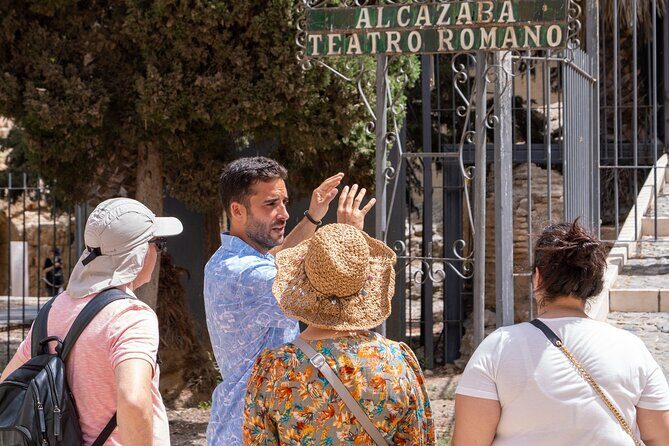
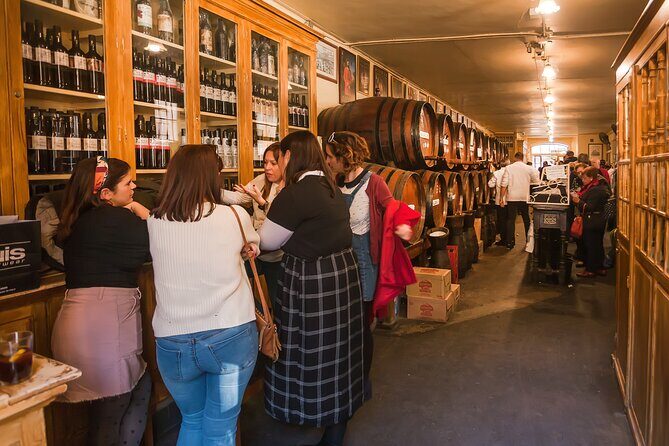
Before you reach the Teatro Romano de Malaga, you pause at a beautiful bar in Malaga to taste wines and classic tapas, tied to a Malaga winery setting. Since food and drink aren’t included, you’ll want to treat this as a paid tasting opportunity during the tour window. Alcohol is not served to minors, which is helpful if you’re traveling with younger people.
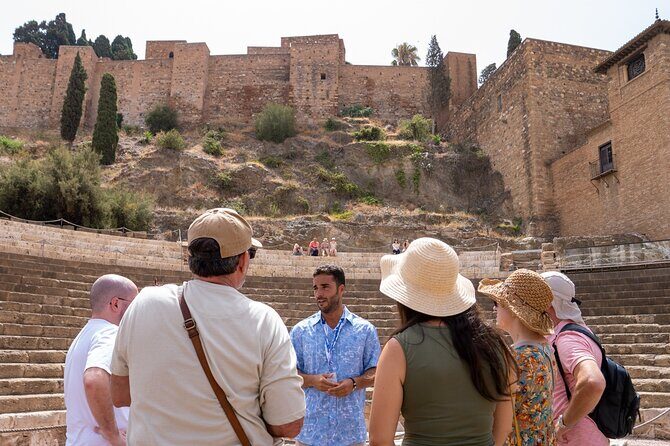
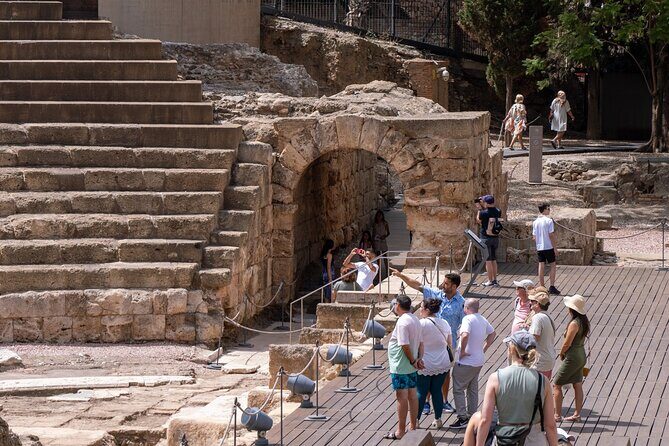
Then it’s on to the Roman Theatre itself, including walking along Alcazabilla street and talking about the theatre’s heritage. The tour also includes access to the interior, which is where many self-guided visits feel less satisfying. With a guide, you get to connect the physical structure to the bigger story instead of just standing in an ancient shell and guessing.
Many people end up calling the theatre the emotional turning point of the day. I get it. Once you step into the space, the scale and design stop being abstract.
Alcazaba: Muslim-era fortress views that actually hit
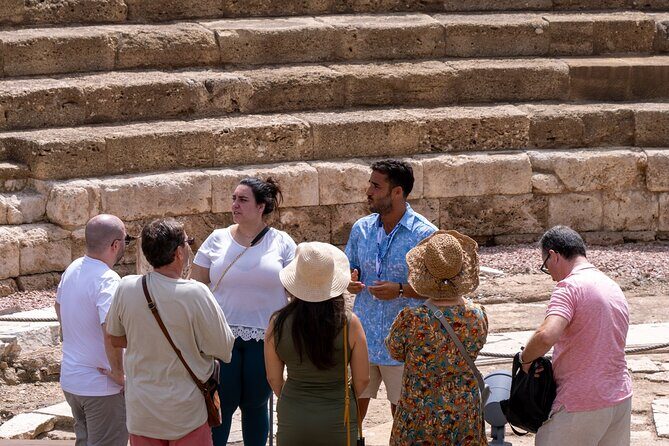
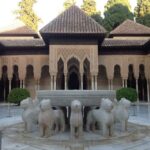
You finish at Alcazaba, the most visited monument in the city. This is the Muslim-era fortress portion of Malaga’s story, and the comparison to the Alhambra—the little sister idea—isn’t random. You can feel the same design logic: strong walls, commanding heights, and architecture built for both defense and display.
The tour includes entry/access here, plus careful explanation of what you’re seeing. And the best part is often the perspective. From up top, the city feels spread out, and you understand why this location mattered.
This is also the stop that tends to become the highlight, because it blends three things: dramatic setting, guided interpretation, and views you can remember long after you’re back on the street.
Guides matter: the difference between facts and good storytelling

One reason this tour earns strong ratings is the guiding style. Names like Nahuel and Tania come up for a reason: they bring passion, take time to explain, and keep the pacing friendly.
What you want from a guide on a short walking tour is not only facts, but clarity. Here, the guide helps you connect the cathedral façade stop, the Picasso locations, and then the shift into Roman and Muslim eras without it feeling like separate attractions.
On quieter days, you may also find the group is small enough to feel almost private. That’s a big deal when you want to ask questions instead of listening from the back of a crowd.
Who should book this tour (and who might want something else)
Book this if:
- You have a short stay and want a strong “Malaga essentials” day
- You like guided context, especially for Roman and Moorish-era sites
- You want ticketed access without figuring out timing and entry details on your own
- You’re interested in Picasso, but you don’t want a full museum day included in the itinerary
Consider a different option if:
- You specifically want to enter Malaga Cathedral, not just view and hear explanations at the entrance
- You’re traveling only for food and want a full meal included (food/drink isn’t included)
- You hate walking in historic centers with uneven streets and want a fully seated experience
Practical tips that make the day smoother
- Wear shoes you can walk in for 2 to 3 hours on historic center streets.
- Bring water, especially on warm days. It’s not listed as included.
- If you’re planning to eat tapas during the scheduled breaks, decide earlier what level of spending you’re comfortable with.
- Don’t forget your schedule anchor: 10:30 am start at Plaza de la Marina.
And if you’re hoping for a low-stress monument visit, this is exactly the kind of tour that’s designed for it—tickets are included for the main sites, and the day is built to keep you moving.
Should you book this Malaga Walking Tour?
I’d book it if you want a tight, well-structured introduction to Malaga that connects the city center to two of the biggest monuments—without turning the day into a chaotic self-planning exercise. The value is strongest when you care about context: Roman Theatre + Alcazaba stop being just impressive structures and start feeling like chapters in the same story.
Skip it if your priority is interior time in places like Malaga Cathedral. This tour doesn’t enter it. You’ll get explanation and viewpoints, but you won’t get the full indoor experience.
If you’re the type who likes learning while walking—plus a few well-timed opportunities to try tapas—this is a great fit.
FAQ
How long is the Malaga Walking Tour, Roman Theatre and Alcazaba?
It lasts about 2 to 3 hours.
What’s included in the ticket price?
You get an official guide and entrance to the Roman Theatre and Alcazaba. Mobile tickets are used.
Do you enter Malaga Cathedral during the tour?
No. The tour stops at the cathedral entrance area for explanation, but it does not enter the cathedral.
Is food or alcohol included?
Food and drink are not included. The itinerary includes time where you can taste tapas and wines, but you’ll need to pay for them yourself. Alcohol is not served to minors.
What group size should I expect?
The tour has a maximum of 10 travelers.
Can I cancel for a full refund?
Yes. You can cancel up to 24 hours in advance for a full refund.