REVIEW · MALAGA
A Self-Guided Tour of Ancient Malaga’s History
Book on Viator →Operated by VoiceMap Audio Tours · Bookable on Viator
Malaga’s old streets pack a lot of story fast. I like how the route is guided by GPS-style tracking while you walk, and I love the offline audio so you’re not stuck hunting for signal. The only thing to watch: if you’ve already done another Malaga walk covering the same core sights, you may feel you’re repeating steps.
This is built for an easy, mostly flat city-center stroll from the port area toward Plaza de la Constitución, with a neat mix of churches, plazas, and landmarks tied to Roman, Moorish, Catholic, and Picasso-era Malaga. It’s also a true self-guided experience: you control the pace, you stop for photos, and you decide if you want a quick bite or just keep walking.
One more practical note: headphones and your smartphone aren’t included, so you’ll want those ready before you start. Do that, and you’ll have a smooth walk that usually lands in the 45-minute to 1-hour range.
In This Review
- Key highlights you’ll feel right away
- Price and timing: why $9.99 feels fair
- How the self-guided route actually works in Malaga
- Plaza de la Marina: start with the Cenachero and Malaga’s port-side roots
- Tip to make this stop pay off
- Plaza del Obispo and the cathedral reveal: Manquita in motion
- The consideration
- Church of St Augustine: Moorish influences you can spot with fresh eyes
- Picasso on the move: museum glimpses, birthplace square, and a statue
- A practical photo note
- Tapas history without forcing a sit-down: El Pimpi and Plaza de Uncibay
- If you’re trying to plan lunch
- Roman Theater to Alcazabilla: ancient drama in the middle of town
- Parroquia Santiago Apóstol and more Islamic-era echoes
- Plaza de la Judería and the feel of a lived-in neighborhood
- Monumento a Torrijos: a liberal figure in a city of layers
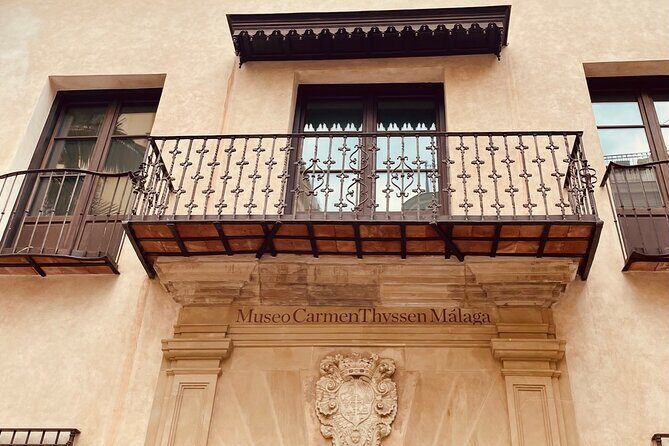
- Museo Carmen Thyssen Málaga and the art-school connections
- Teatro Cervantes and the end at Plaza de la Constitución
- Bonus value
- Who should do this self-guided ancient history tour
- Should you book this tour?
- FAQ
- How long is the self-guided walk in Malaga?
- What’s the price?
- What language is the audio available in?
- Do I need to bring my own smartphone and headphones?
- Can I download content for offline use?
- Where do I start and where does it end?
- Is it private and does it allow service animals?
Key highlights you’ll feel right away
- VoiceMap offline access keeps the audio, maps, and geodata ready even if your phone struggles with service.
- English narration works well if you want clear context without a live guide schedule.
- Start and end in central plazas (Plaza de la Marina to Plaza de la Constitución) so you’re not fighting the city to finish.
- Manquita Cathedral plus Moorish-influenced churches give you a real feel for Malaga’s cultural layers.
- Picasso-focused stops cover both the art kid story and the adult-city tribute.
- Roman theater, Alcazabilla, and fortress views add older, dramatic texture to a simple walking loop.
Price and timing: why $9.99 feels fair
At about $9.99 per person, this is one of those deals that works best when you treat it like a guided museum walk—but outside. You’re paying for an organized route, English narration, and offline materials through the VoiceMap app. For me, the value comes from not needing to plan a route or guess which stop matters most. You just follow along.
The timing is also realistic. Expect 45 minutes to 1 hour for the full circuit if you keep moving and only take a few longer pauses. If you’re the kind of person who wants to linger by churches to catch the details, you can easily stretch it a bit.
It’s also offered in a way that fits different days. The posted opening window shows it’s available every day over the listed dates, running essentially all day.
You can also read our reviews of more guided tours in Malaga

How the self-guided route actually works in Malaga
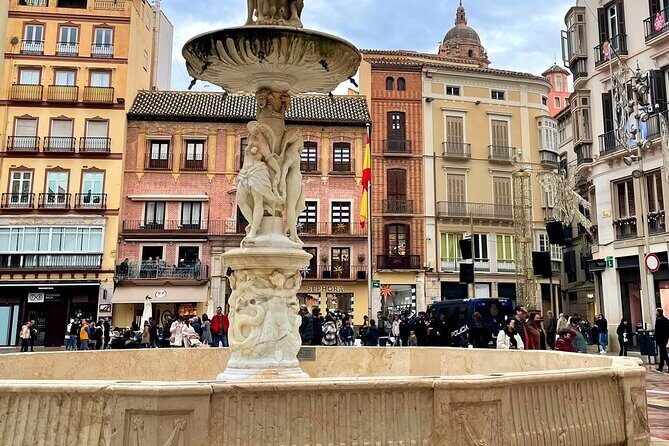
The tour uses the VoiceMap app for Android and iOS, with offline access to audio, maps, and geodata. In practice, this means you can download the experience ahead of time and then walk without constantly checking for a signal.
A standout detail I appreciate: the navigation doesn’t force you to stare at your phone. With GPS guidance in the background, it helps you stay on track so you can focus on what’s in front of you—church facades, plaza corners, and the small street turns that make Malaga feel like Malaga.
Also, it’s private in the sense that only your group participates. So there’s no mixing with strangers or waiting around for a big departure crowd.
Plaza de la Marina: start with the Cenachero and Malaga’s port-side roots
You begin near the port at Plaza de la Marina, in front of the Estatua del Cenachero (a local fisherman statue). This is a smart opening. Instead of jumping straight into grand monuments, the tour begins with the people who sold fish—ordinary labor that helped shape the city’s identity.
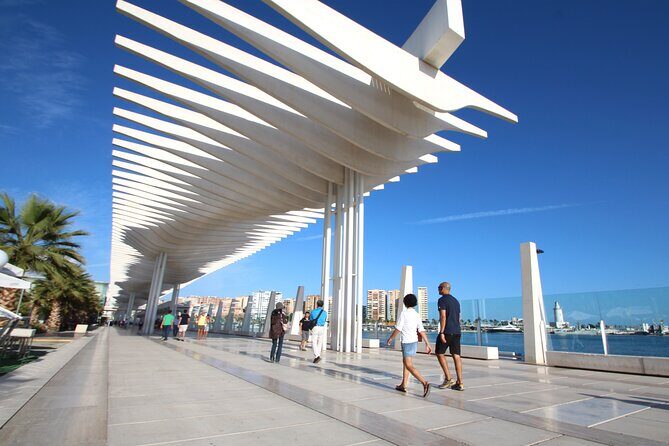
Next you pass through Plaza de la Marina itself, where the modern energy of the center surrounds you. It’s a good contrast: you’re seeing how a working port culture fed into today’s everyday city life.
Tip to make this stop pay off
If you like context, take 30 seconds to look at the statue area before you move on. It sets the tone for the rest of the walk—Malaga isn’t only big architecture. It’s also daily work, trade, and neighborhood memory.
Plaza del Obispo and the cathedral reveal: Manquita in motion
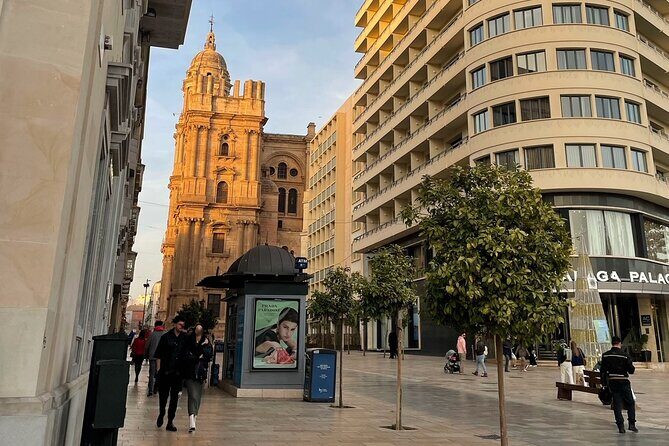
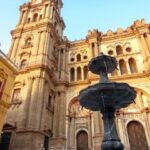
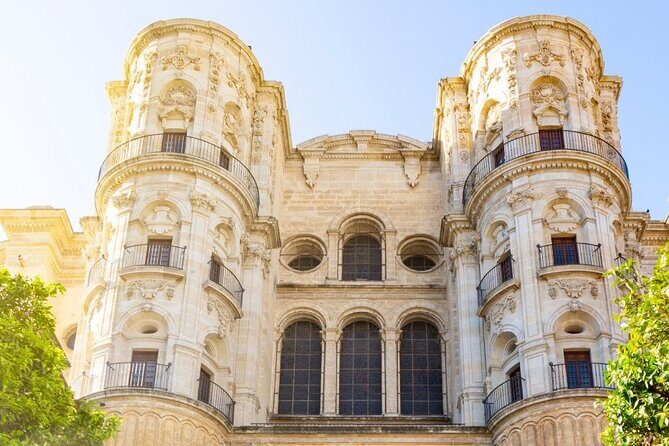
From Plaza de la Marina, you head into Plaza del Obispo, learning about its historical and cultural role as you go. Then comes the big one: Malaga’s cathedral, nicknamed Manquita.
The nickname matters because it’s a local shorthand for affection, and the tour helps you understand why locals call it that. Even if you don’t stop for a long look, the building still gives you that “this city has been here a long time” feeling. It’s one of those landmarks that anchors everything else around it.
You can also read our reviews of more historical tours in Malaga




The consideration
If you’re expecting a strict turn-by-turn script with zero wandering, you’ll want to stay attentive here. City centers have lots of pedestrian paths. But the audio and navigation should keep you oriented.
Church of St Augustine: Moorish influences you can spot with fresh eyes
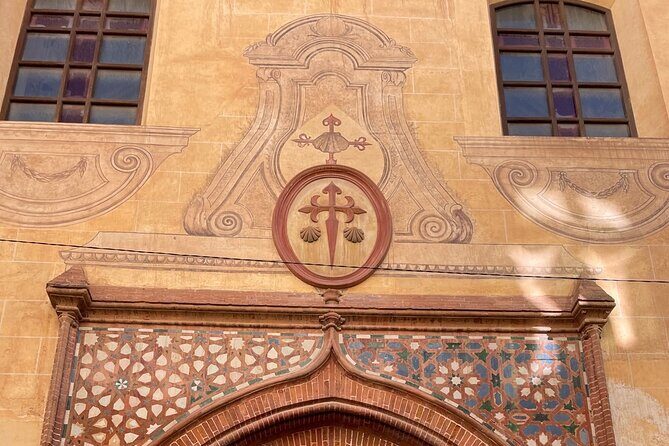
Next you pass by the Church of St Augustine, and the narration highlights its Moorish-influenced character. Malaga’s story is never one-note. You get Christian religious architecture that carries Islamic-era design influences, which is exactly what makes this stop worth more than a quick glance.
If you like architecture, slow down for a moment. Even when you’re just passing by, the tour framing helps you notice details you might otherwise miss.
Picasso on the move: museum glimpses, birthplace square, and a statue
You’ll catch sight of the Picasso Museum Málaga as you move through the area, and the walk later connects the dots with the places tied to Picasso’s early life. If Picasso is a priority for you, this tour is a solid way to keep the story chronological without buying a separate ticket on day one.
You also pass Estatua de Picasso, and then you reach Plaza de la Merced, where Picasso was born and grew up. The narration includes the story of his survival at birth, which adds a human, surprising layer to what could otherwise feel like just another celebrity stop.
Then comes Museo Casa Natal de Picasso, the museum focused on Picasso’s childhood home. You’re not told to linger inside on this walk, but even seeing the location with the background story gives it more weight.
A practical photo note
Picasso-related stops can cluster in good sight lines. If you care about images, do your photos at the plaza corners and statue approaches. That’s where you’ll get the most context in one frame.
Tapas history without forcing a sit-down: El Pimpi and Plaza de Uncibay
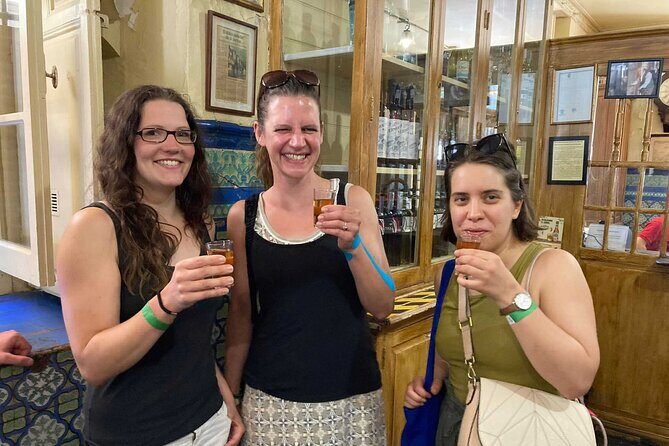
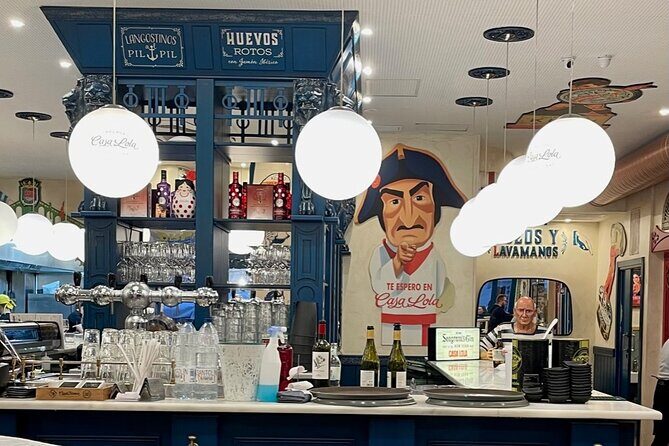
You get a quick nod to Las Bodegas El Pimpi, described as one of the oldest tapas bars in Malaga. The tour notes the place’s culinary tradition, but it doesn’t require you to enter.
That’s useful. You get the culture context, and you keep your freedom. If you want lunch, this is a natural moment to make it happen. If you’d rather just keep walking, you can treat it as a pass-and-remember stop.
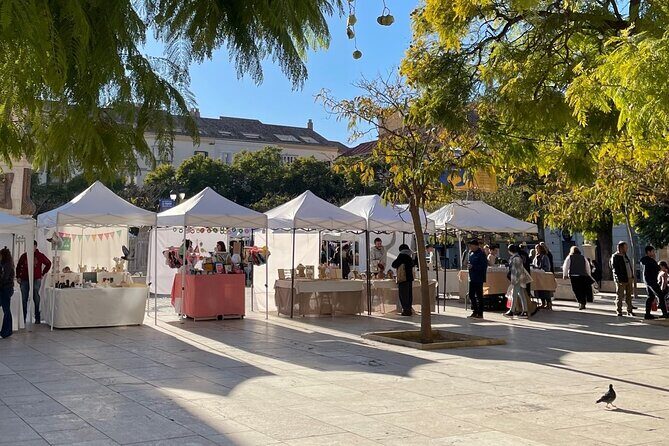
Later, you reach Plaza de Uncibay, known for tapas bars and restaurants. This is where the walk gives you a built-in “pause and eat” option without turning the whole experience into a meal detour.
If you’re trying to plan lunch
Aim to stop where you can still finish the route without rushing. The tour length is short, and the best flow comes from not cutting off the later sights.
Roman Theater to Alcazabilla: ancient drama in the middle of town
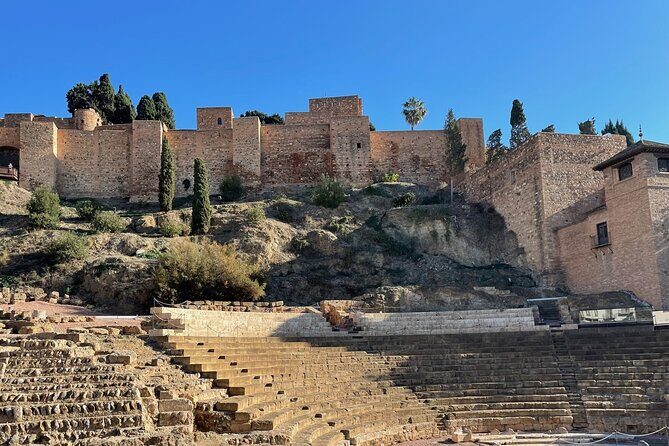
One of the most fun shifts is when you pass the Teatro Romano de Málaga, the ancient Roman theater. Even if you only get a glimpse while walking, the audio context helps you see it as a piece of a much older city footprint—not just a random stone structure.
Then you move along Alcazabilla, a street with views toward the Alcazaba fortress. That view angle is a key reason this part works. You’re moving through modern streets, but your eye keeps getting pulled toward a fortress silhouette that looks like it belongs to a different era.
If you like Roman and Moorish history, this section is the payoff. It brings scale and drama into a walk that’s otherwise easy-going.
Parroquia Santiago Apóstol and more Islamic-era echoes
Another cultural blend stop is Parroquia Santiago Apóstol Málaga, a Catholic church noted for Islamic influences. This is a recurring theme in Malaga: layers of rule and faith show up in the architecture, not just in textbooks.
When you pass by, try to think of the building as a historical conversation in stone. Even without entering, the narrative helps you read the structure as a hybrid product of time.
Plaza de la Judería and the feel of a lived-in neighborhood
You’ll also walk through Plaza de la Judería, which gives you a distinct sense of historical neighborhood identity. The tour doesn’t just label the place; it frames the ambiance as something shaped by long-standing community life.
This is a good “reset” moment. After the big monuments and named landmarks, the plaza offers a slower feeling. Take a breath here if you’ve been moving quickly.
Monumento a Torrijos: a liberal figure in a city of layers
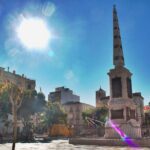
You pass by Monumento a Torrijos, dedicated to a Spanish liberal. Even if statues aren’t your thing, it’s worth noting because it adds a newer political thread to the walk. The route isn’t only ancient and classical—it also points to Malaga’s place in Spain’s more modern history.
It’s quick, but it prevents the walk from feeling like a single-eras type of city tour.
Museo Carmen Thyssen Málaga and the art-school connections
You catch a glimpse of Museo Carmen Thyssen Málaga, reminding you that Malaga is also actively cultural right now, not only historically important. Then the walk moves to Ateneo de Málaga, a cultural center that was once the San Telmo School of Fine Arts, where Picasso’s father taught drawing.
That connection is neat because it adds a family and education angle to Picasso. Instead of only seeing Picasso as a lone genius, you understand how training and teaching helped shape the environment that produced him.
Teatro Cervantes and the end at Plaza de la Constitución
You pass Teatro Cervantes, picking up another layer of arts and performance culture. Then you finish in front of Plaza de la Constitución.
The tour ends here with context about where the square’s name comes from. That’s a satisfying way to close: you stop at a meaningful city center point, then you can decide what to do next—coffee, shopping, or a longer stroll.
Bonus value
Finishing at Plaza de la Constitución also makes it easy to re-route yourself afterward. It’s a practical endpoint if you’re planning your next activity without committing to a complicated walk back.
Who should do this self-guided ancient history tour
I think this fits best if:
- You want a short walking loop through key Malaga sights without booking a timed guided tour.
- You like context you can carry while you walk—stories tied to each stop.
- You’re juggling a busy itinerary and still want a coherent “core sights” experience.
- You prefer flexibility: pause for photos, step into a shop, grab a bite, keep moving.
You might reconsider if:
- You’re already doing (or already did) a similar route that covers the cathedral and Alcazaba area thoroughly. In that case, some sections may feel like repeats.
- You don’t want to use a phone for navigation. While GPS guidance helps, you’ll still need a smartphone and headphones to use the app properly.
Should you book this tour?
Yes, if you want a cost-effective, low-effort way to connect Malaga’s layers—Roman remains, Moorish-influenced churches, the Manquita cathedral, and Picasso landmarks—into one walk. The best reason to book is simple: you get a structured path plus offline English narration for the price of a couple of coffees.
Skip it if you’re only interested in one or two sites and you already have plans for the full cathedral/Alcazaba/Picasso cluster. In that scenario, you might get more new material by choosing a different theme-based tour.
FAQ
How long is the self-guided walk in Malaga?
It takes about 45 minutes to 1 hour for most people, depending on how often you pause and look around.
What’s the price?
The tour costs $9.99 per person.
What language is the audio available in?
The tour is offered in English.
Do I need to bring my own smartphone and headphones?
Yes. A smartphone and headphones are not included. You’ll need your phone to run the VoiceMap app and listen to the audio.
Can I download content for offline use?
Yes. You get offline access to audio, maps, and geodata, through the VoiceMap app.
Where do I start and where does it end?
You start at Estatua del Cenachero, Plaza de la Marina (Pl. de la Marina, 1) and end at Plaza de la Constitución.
Is it private and does it allow service animals?
It’s private for your group, and service animals are allowed. Also, it notes that most travelers can participate.