REVIEW · MALAGA
Málaga: Historic Center Tour with Local Guide
Book on GetYourGuide →Operated by Tour and Guide · Bookable on GetYourGuide
Malaga’s old streets come with a soundtrack. This 2-hour guided walk packs in Roman Theatre atmosphere and Catedral de la Encarnación stories, from the Renaissance facade people call La Manquita to the city’s earlier layers. I love how the Roman Theatre stop makes the 1st-century BC feel close and real. I also love the Catedral de la Encarnación construction story, especially why the second tower is incomplete. The one drawback is the timing: each major stop is brief, around 15 minutes, so don’t expect long lingering at every monument.
You start in the perfect spot at Plaza de la Aduana, right by the Alcazaba area, then spend the rest of the walk threading together Roman, Moorish, and modern Málaga. If you’re going to do just one orientation walk in town, this is a strong choice. You’ll also get a guide you can spot easily (watch for the black cap) and a guided route that helps you understand what you’re actually looking at.
In This Review
- Key highlights you’ll feel right away
- Plaza de la Aduana to Alcazaba vibes: start where the city compresses history
- Roman Theatre: seeing Málaga’s first big personality, up close
- A small watch-out
- Picasso Museum stop: a compact hit of Malaga’s modern identity
- How to get more out of the short visit
- Málaga Cathedral and La Manquita: the story behind the unfinished tower
- Constitution Square: where the tour slows just enough to feel local rhythm
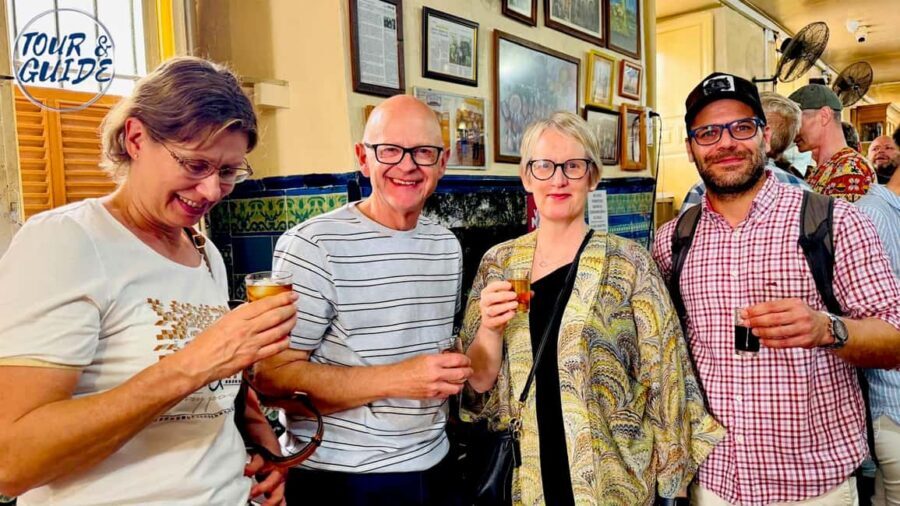
- Mercado Central de Atarazanas: tastings that turn history into snackable reality
- What you should do during the market stop
- The guide factor: how Igor-style storytelling keeps it from feeling like a checklist
- One consideration for certain interests
- Price and value check for $23: why this is a good first Málaga walk
- Getting the most from the 2-hour pace: shoes, sun, and smart questions
- A simple strategy
- Is this tour right for you?
- FAQ
- Where does the tour start?
- Where does the tour end?
- How long is the tour?
- Which sights will I see?
- Is the tour guided in English or French?
- What is included in the tour?
- Is the walking tour wheelchair accessible?
- What should I bring?
- How can I get to the meeting point?
- Can I cancel for a full refund?
- How does reserve now, pay later work?
Key highlights you’ll feel right away
- Roman Theatre (1st century BC): a quick history lesson that still feels tangible on foot
- La Manquita (Málaga Cathedral): why the incomplete tower matters and what to notice in the architecture
- Picasso’s birthplace area: a focused museum stop that fits well into a short walking route
- Mercado Central de Atarazanas: tasting traditional products plus an easy way to snack like locals
- Guide-led storytelling: the city’s layers connect instead of feeling like separate tourist stops
- Small, friendly pacing: time for questions and a light touch, not a lecture marathon
Plaza de la Aduana to Alcazaba vibes: start where the city compresses history
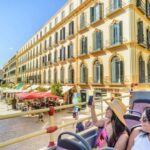
The tour begins at Plaza de la Aduana, next to the Tourist Information Point, and you’re close to the Alcazaba area from the get-go. That matters because Málaga’s old center isn’t just pretty buildings—it’s a compact timeline. You can feel how the city grew up around power, trade, and art.
In practical terms, start early enough that you don’t arrive rushing. Comfortable shoes help here, because you’re walking through Málaga’s historic streets and you’ll want your feet to stay happy for the full loop. Also, bring a hat and water; even in mild weather, the walk can be warm under sun.
You can also read our reviews of more guided tours in Malaga


Roman Theatre: seeing Málaga’s first big personality, up close
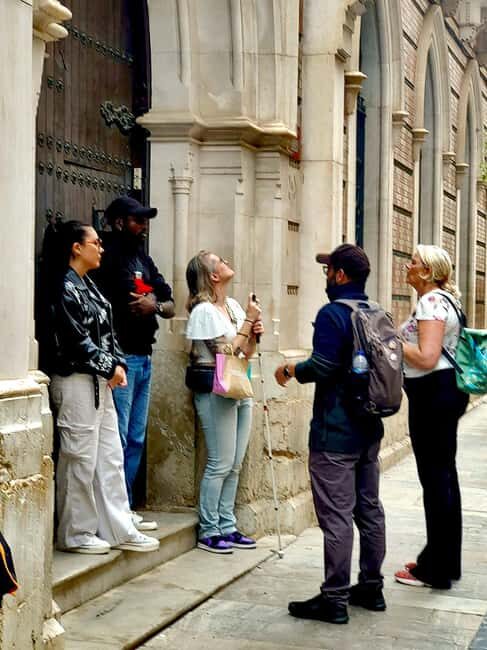
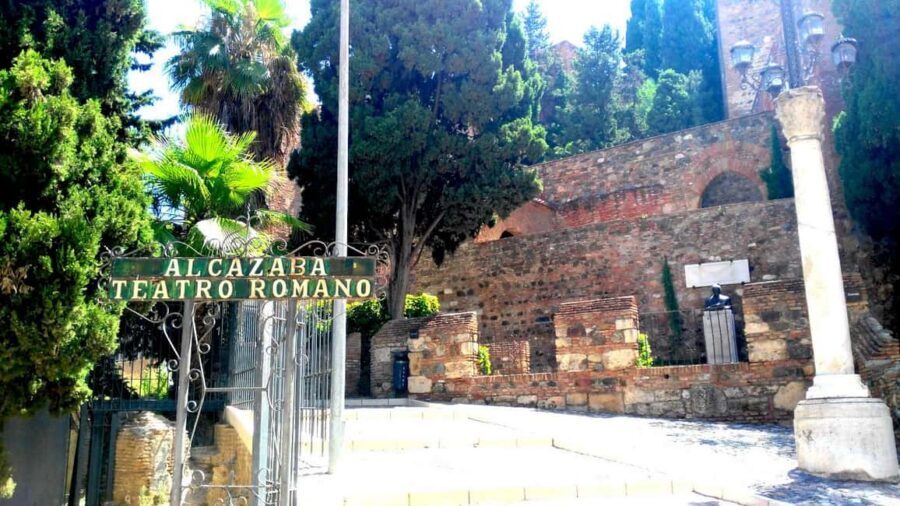
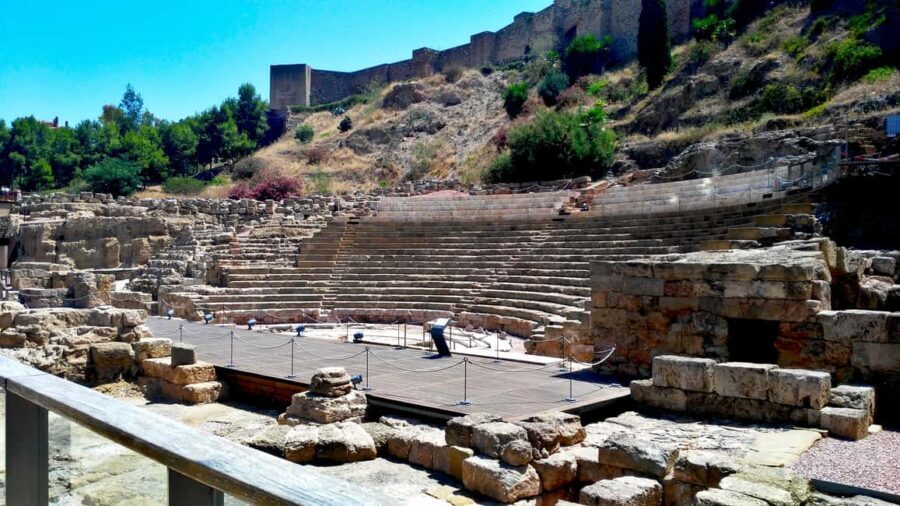
One of the most satisfying parts of the day is the stop at the Roman Theatre. You’ll get a guided look for about 15 minutes, with the big idea being that this is ancient Málaga—dating to the 1st century BC.
What I like about this stop is that it gives you a “baseline.” After you see this Roman piece, the rest of the city starts making more sense. Streets and architecture stop feeling random. They start feeling like choices made by different rulers and communities, layer after layer.
In a short window, the guide’s job is to point out what you should notice. You’re not trying to memorize stonework. You’re learning how this space functioned and why it was important enough to still matter centuries later.
A small watch-out
If you’re hoping for a long, slow, photo-heavy visit, the Theatre stop is intentionally brief. This tour trades extra time at one monument for a broader overview across multiple icons.
Picasso Museum stop: a compact hit of Malaga’s modern identity
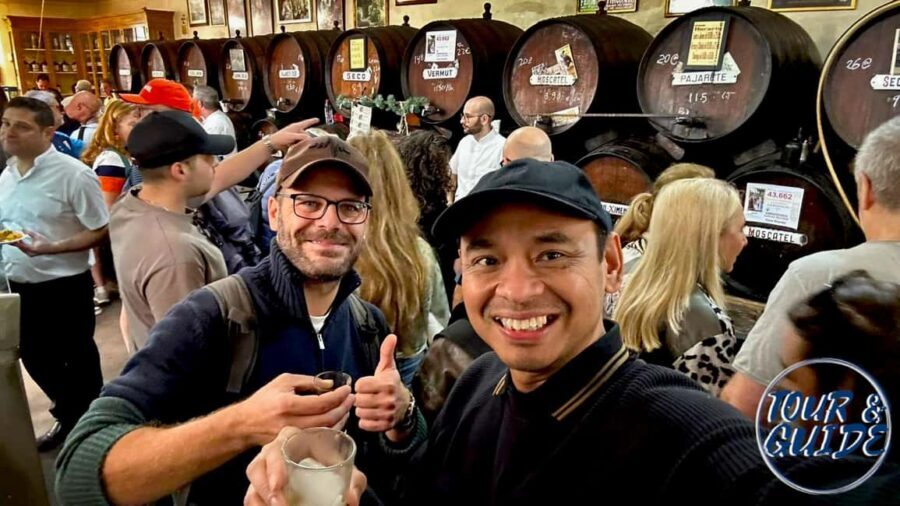
Next comes the Picasso Museum area with another 15-minute guided visit. Even if you’re not a hardcore art museum person, this works because it doesn’t feel tacked on. It connects to Málaga’s identity as a city that takes its creative reputation seriously.
This stop is especially valuable after you’ve just had the Roman Theatre. The shift from ancient stone to modern art is part of what makes Málaga feel like Málaga. It’s not stuck in the past, and it’s not only about beach-time either.
How to get more out of the short visit
Use this part to orient your curiosity. If a specific Picasso theme or room catches your attention, you’ll know what to follow up on later during independent time. A 15-minute guided window is like asking for directions—enough to set your route, not enough to replace the rest of the trip.
You can also read our reviews of more historical tours in Malaga





Málaga Cathedral and La Manquita: the story behind the unfinished tower
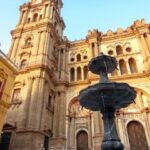
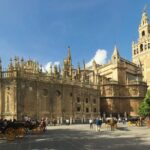
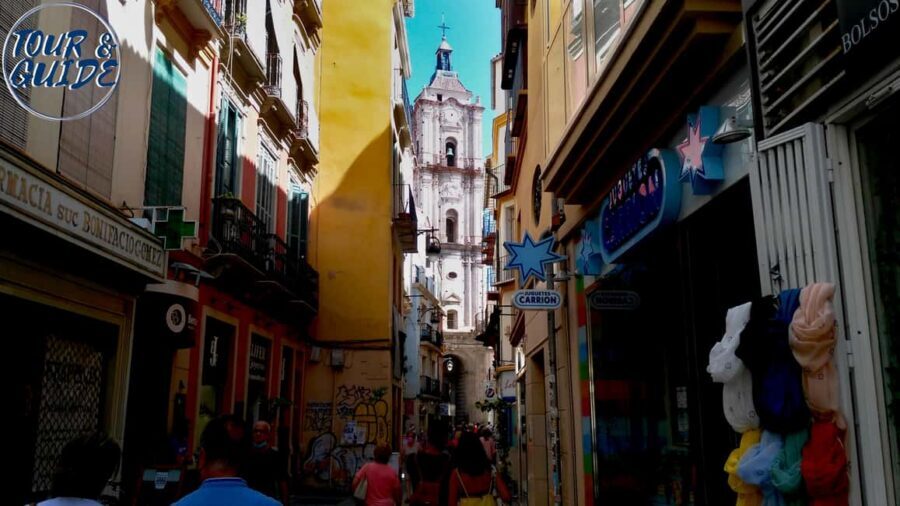
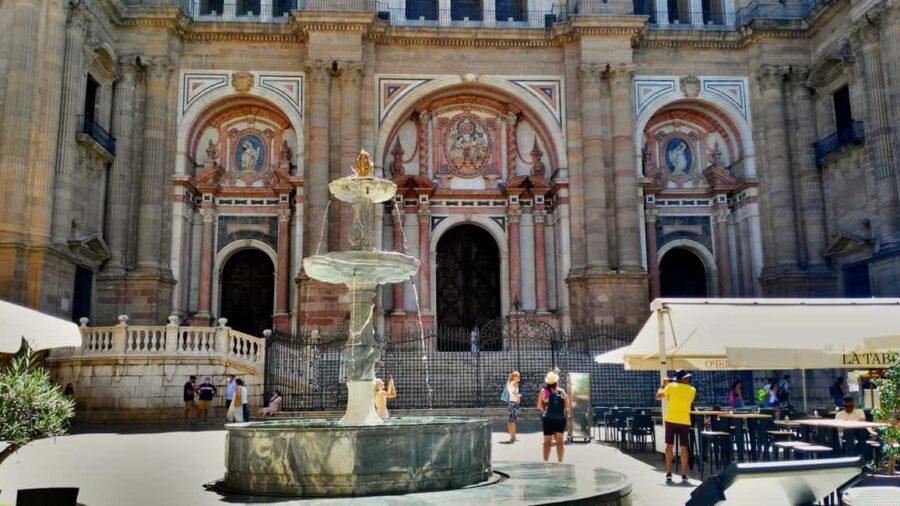
Then you reach Málaga Cathedral (Catedral de la Encarnación), a Renaissance masterpiece with a nickname that has become part of local language: La Manquita—the one with the incomplete second tower.
You’ll have about 15 minutes here, focused on what makes the cathedral special and why the construction story matters. For me, cathedral tours are only good when the guide helps you see beyond the obvious. On this one, the point isn’t just that it’s big. It’s that the architecture has a plot—decisions, delays, and changing eras written into the building itself.
That “unfinished tower” detail is perfect for a city-walking tour. It’s memorable. It also teaches you a useful mindset: don’t treat buildings like static postcards. Treat them like records of real human timelines.
Constitution Square: where the tour slows just enough to feel local rhythm
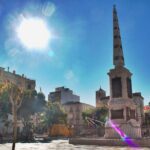
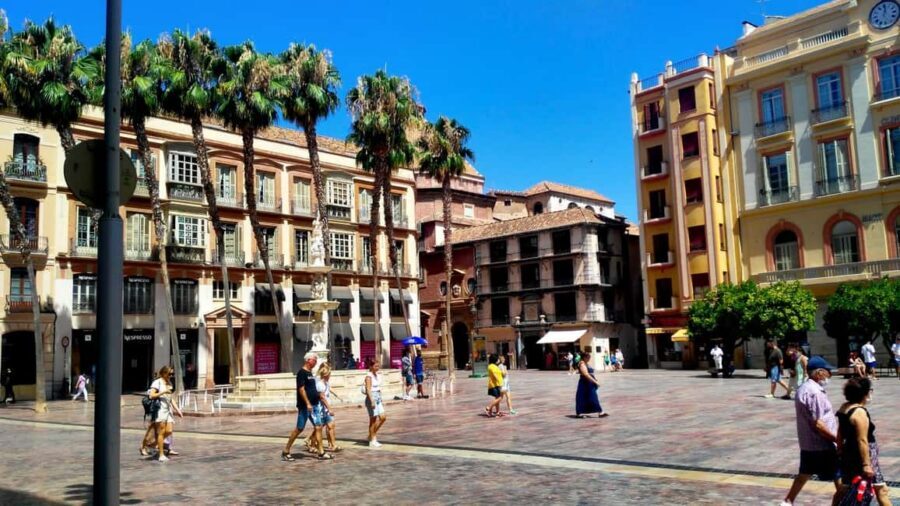
At Constitution Square (Plaza de la Constitución) you get another 15-minute guided stop. This is where the tour helps you connect monuments to everyday life. Squares are where power meets people, and over time they become social hubs—meeting points, public stages, and places for city identity to show up.
For a walk like this, squares are a reset button. After the intensity of major landmarks (Roman Theatre, cathedral, Picasso), you need a moment to breathe and look around. You’ll get that here, with the guide weaving in stories of Málaga’s evolution—from earlier origins through the Moorish era and onward.
If you enjoy hearing how cities function socially, this stop makes the rest click.
Mercado Central de Atarazanas: tastings that turn history into snackable reality
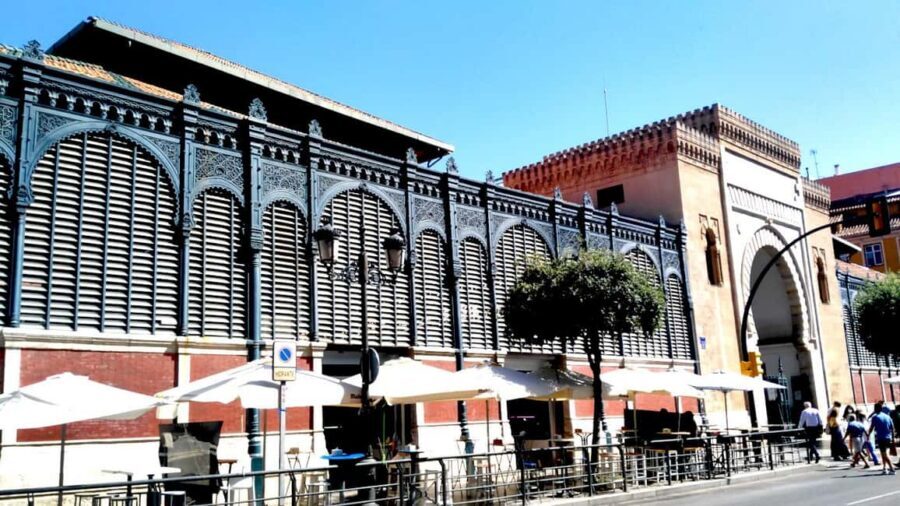
The final main stop is the Mercado Central de Atarazanas, again with a guided visit of around 15 minutes. This is where the tour earns extra points for practicality.
You’ll get tasting of traditional products, plus a market experience that helps you understand what locals consider worth eating. Markets in Spain aren’t only about buying food. They’re about seeing how daily culture works—what people pick up for lunch, what looks seasonal, what stalls have personality.
What you should do during the market stop
- Take a second to look at what’s being prepared and served, not just what you’re tasting
- Ask your guide what’s best for a quick meal later that day
- If you’re leaving Málaga the next day or two, use this stop to gather ideas you can repeat on your own
This is also where the tour includes a surprise at the end, and that little ending boost is one reason people seem to remember the experience beyond the sightseeing.
The guide factor: how Igor-style storytelling keeps it from feeling like a checklist
The tour is a “live guide” walking experience in English and French. And the biggest difference between a decent tour and a great one is how the guide links places into a story.
From what I’ve seen with guides leading this route, the style is clear and friendly, with a light sense of humor. I like tours that explain the why, not just the what. Here, the guide doesn’t treat Málaga’s history as disconnected facts. They connect the city’s Roman beginnings, Moorish influence, and later modern art culture—including stories about famous residents like Pablo Picasso.
Another plus: the guide doesn’t keep things locked inside the tour. Several people highlight that they got practical suggestions for where to eat and drink after the walk. If you want real value, this is where you lean in and ask. Even a simple question like where to go for tapas tonight can save you from aimless wandering.
Names that have come up as recommended places include El Gallo Ronco and Las Chinitas. Don’t assume every guide will point you the same way, but if those places interest you, asking is smart. You’re walking with someone who knows the city’s rhythm.
One consideration for certain interests
Expect some religious and architectural context at key sites, especially around the cathedral. If you strongly prefer strictly secular commentary, tell your guide what you want more or less of. A good guide can usually adjust on the fly.
Price and value check for $23: why this is a good first Málaga walk
At $23 per person for about 2 hours, the value is mostly about what you get bundled together.
You’re paying for:
- a guided route through multiple major icons (Roman Theatre, cathedral, Picasso museum area, Constitution Square, and Mercado de Atarazanas)
- tasting traditional products
- a guide who provides context so you don’t just stand and point at buildings
Without a guide, you can absolutely see these places on your own. But what you’d lose is the “connection layer”—the way the city’s eras link together and how to understand what you’re seeing in a short amount of time. That connection is what makes a first walking tour feel worth it.
Two hours is also a smart length. It fits easily into a day plan, especially if you’re mixing museums, an afternoon beach, or more neighborhoods later. This is not a full-day deep study. It’s a high-impact orientation and story walk.
If your schedule is uncertain, it’s also the kind of tour where flexibility matters. You can cancel up to 24 hours in advance for a full refund, and you can often reserve now and pay later, which helps if you’re coordinating other parts of your trip.
Getting the most from the 2-hour pace: shoes, sun, and smart questions
Because the tour runs about 2 hours, you’ll be moving from stop to stop with short explanations. That’s ideal if you like a brisk pace. It’s less ideal if you want long museum time at each location.
Your best move is to come prepared and treat this like a route plus a primer:
- Comfortable shoes: you’ll walk Málaga’s old streets and you’ll want stable footing
- Sun hat and sunscreen: bring them even if the forecast looks mild
- Water: the guided pace plus warm sun adds up
- If something grabs your attention, ask where to go next on your own time
A simple strategy
Pick one or two “anchor” interests. For some people it’s Roman history, for others it’s the cathedral and La Manquita, and for art lovers it’s Picasso. Use the tour to decide what deserves your deeper attention later.
Is this tour right for you?
Book this Málaga historic center walking tour if you want a smart, story-based introduction that covers the big names without eating your whole day. It’s a great fit for first-timers, people who like history connected to real places, and anyone who values getting practical food and drink tips alongside the sightseeing.
I’d think twice if you:
- need very long time at one monument (this route keeps stops short)
- prefer zero religious context (the cathedral area includes that kind of background)
- want an unstructured wandering day rather than a guided route
FAQ
Where does the tour start?
The meeting point is the White Tourist Information Point in Plaza de la Aduana, next to Alcazaba.
Where does the tour end?
The tour ends back at the meeting point in Plaza de la Aduana.
How long is the tour?
The tour lasts about 2 hours.
Which sights will I see?
You’ll visit and get guided time at the Roman Theatre, Picasso museum area, Málaga Cathedral, Constitution Square, and the Mercado Central de Atarazanas. The experience also includes an exploration connected to the Alcazaba fortress.
Is the tour guided in English or French?
Yes. The live guide speaks English and French.
What is included in the tour?
It includes a guided walking tour of Málaga’s historic center, guided exploration of the Roman Theatre and Alcazaba fortress, a visit to the Catedral de la Encarnación, tastings of traditional products, a visit to the central market of Atarazanas, and a surprise at the end.
Is the walking tour wheelchair accessible?
Yes, it is listed as wheelchair accessible.
What should I bring?
Bring comfortable shoes, a sun hat, sunscreen, and water.
How can I get to the meeting point?
You can reach Plaza de la Aduana on foot from Málaga Centro-Alameda train station or from the Muelle Heredia bus station.
Can I cancel for a full refund?
Yes. You can cancel up to 24 hours in advance for a full refund.
How does reserve now, pay later work?
You can reserve your spot and pay nothing today, with plans to pay later.