REVIEW · MALAGA
Malaga: History of Picasso Guided Walking Tour
Book on GetYourGuide →Operated by Oh My Good Guide · Bookable on GetYourGuide
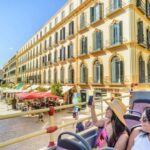
Picasso’s Málaga reads like a story. You’ll meet in Plaza de la Merced and trace the years that shaped the artist, from his childhood surroundings to the city landmarks that kept showing up in his world. Two things I really like: the strong sense of place (everything anchors back to Picasso’s Malaga) and the guided pace that keeps questions coming, especially when you have a guide like Alicia, who’s been praised for enthusiasm and answering queries clearly.
The main thing to consider is that entrances aren’t included. You’ll see major sites linked to Picasso and Malaga’s monuments, but if you want to go inside (museums, for example), you’ll need to plan for extra ticket time and cost.
In This Review
- Key highlights to look for
- Where the tour really begins: Plaza de la Merced and the Picasso story
- Picasso’s Birthplace Museum stop: seeing the building before you see the art
- Church of Santiago and the smaller places that add texture
- Picasso Museum Malaga: a helpful bridge to deeper visits
- The big city anchors: Cathedral, Alcazaba Fortress, and Roman Theatre
- Cathedral
- Alcazaba Fortress
- Roman Theatre
- The bullring detail: where art and place get personal
- A viewpoint stop that helps you reset your eyes
- Price and value: is $58 worth 90 minutes?
- Practical guidance: how to get the most from this walk
- Who should book this tour (and who might skip it)
- Should you book the Málaga: History of Picasso Guided Walking Tour?
- FAQ
- Where do I meet for the tour?
- How long is the guided walking tour?
- Is the tour guided in English?
- Are entrance fees included for museums and monuments?
- What main places are part of the route?
- Will I get time for viewpoints during the tour?
- Is hotel pickup and drop-off included?
Key highlights to look for

- Plaza de la Merced meeting point: right by the Picasso sitting statue at Pl. de la Merced, 14
- Picasso’s early home base: you start where he spent his first ten years
- Birthplace Museum focus: you pass the building and connect it to his childhood story
- Main monuments on one walk: Cathedral, Alcazaba Fortress, Roman Theatre, and more
- Art nerd moment: the bullring tied to Picasso’s first oil painting
- End-of-tour tips: your guide shares practical suggestions for your remaining time in Malaga
Where the tour really begins: Plaza de la Merced and the Picasso story
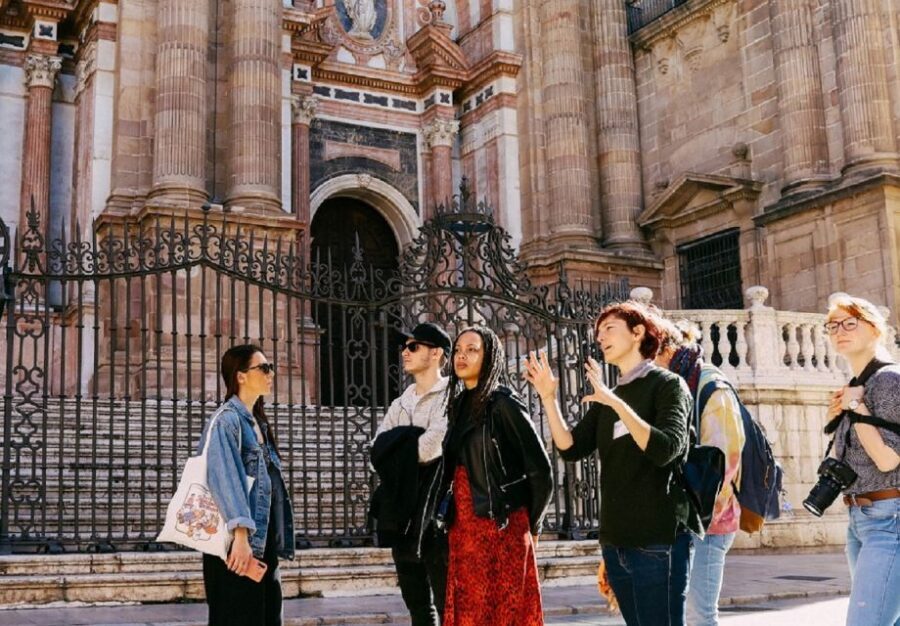
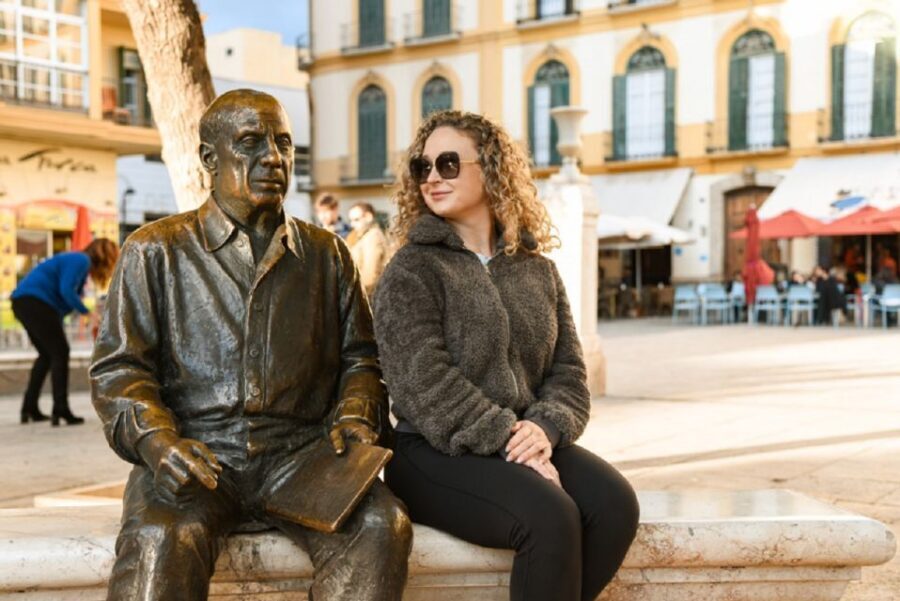
If you want Malaga to make sense fast, start at the right “chapter.” This tour begins at Pl. de la Merced, 14, next to the Picasso sitting statue. It’s a clever opener because Picasso isn’t treated like a distant museum name; you’re placed right into the part of the city tied to his childhood.
From the start, you’ll hear why Plaza de la Merced matters: it’s connected to the first ten years of Picasso’s life. That detail gives you a mental map for the walk. Every turn feels less random and more like it’s moving through a biography.
The meeting point is central, and that helps if you’re building a full day around walking and museum time. Also, because the tour is just 1.5 hours, it works well even if you’re juggling other plans like beach time or a later museum visit.
You can also read our reviews of more walking tours in Malaga
Picasso’s Birthplace Museum stop: seeing the building before you see the art
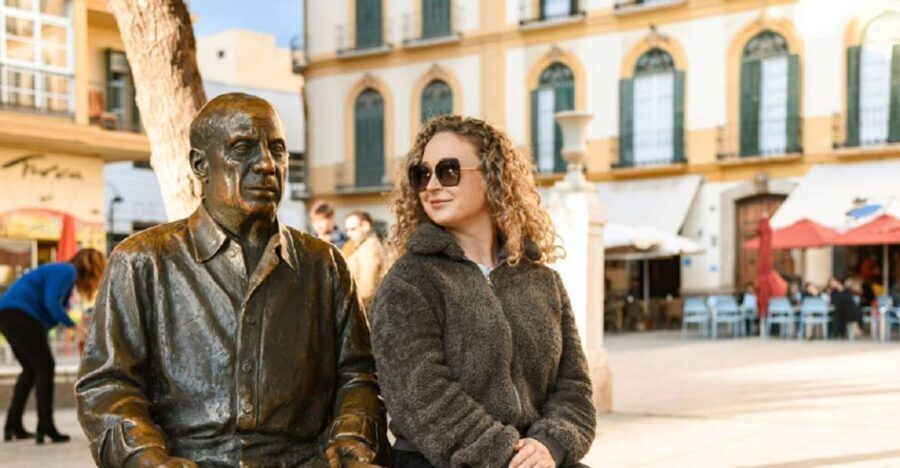
One of the best parts of this style of tour is the “preview effect.” You’ll see the building where Picasso was born, and it now hosts the Picasso’s Birthplace Museum. Even if you don’t go inside immediately, this stop helps you understand what you’re looking for later.
Why I think this is valuable: people often visit Picasso-related places as isolated attractions. Here, you’re given a timeline and family context as you move through the same streets. When the birthplace is part of a story, you tend to remember more than a list of dates.
There’s also a practical benefit. Many museums take more time than you expect. By getting the birthplace context during the walking portion, you can decide how much time to allocate once you’re ready to pay for entrances or spend time on your own.
Church of Santiago and the smaller places that add texture
After the birthplace area, the route continues through important local stops, including the Church of Santiago. This isn’t just sightseeing for sightseeing’s sake. You’re learning how Picasso’s family life and the surroundings of his early days shaped what he saw and how he experienced the city.
Small details matter on a tour like this because Picasso’s genius is tied to a specific setting. You don’t need to be an art history student to get it. You just need a guide to connect the dots between everyday places and creative inspiration.
This is also where the pacing starts to feel like a conversation. A guide can answer questions on the spot, and reviews highlight that the best experiences come from guides who stay friendly and responsive. If you’re the type who likes to ask why one street or building matters, you’ll likely enjoy this part.
Picasso Museum Malaga: a helpful bridge to deeper visits
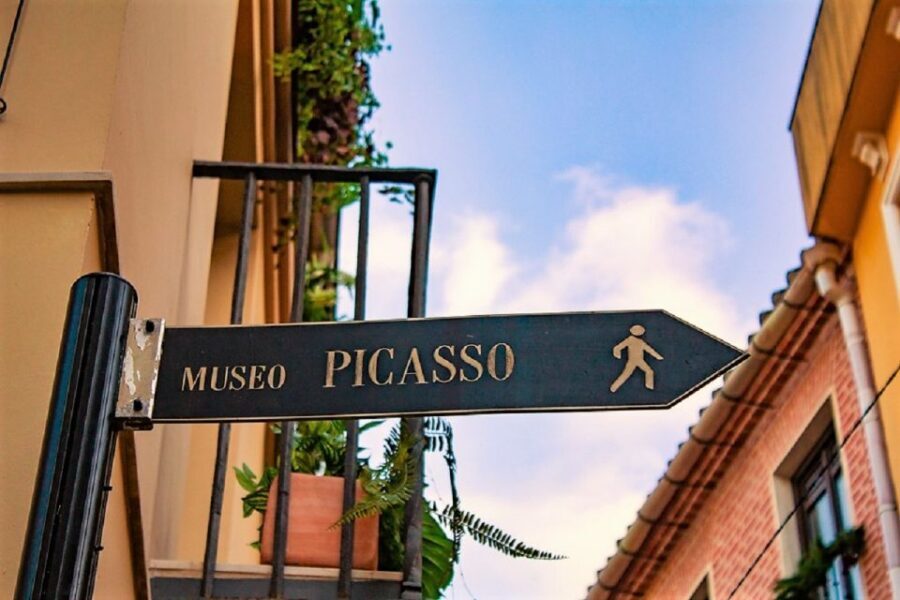
The itinerary includes a stop connected to Picasso Museum Malaga (you’ll pass by it during the walk). Since entrances aren’t included, this is more about orientation and context than a full museum visit.
That approach can be surprisingly smart. One review specifically recommended doing this tour before visiting the museum, because it makes the museum feel less like a warehouse of artworks and more like a continuation of the story you started on the street.
Think of it like this: the walking tour gives you the “why.” The museum gives you the “what.” If you plan your day well, you get both without wasting time trying to piece it together later.
If you do intend to enter the museum afterward, wear comfortable shoes. You’ll be on your feet for the entire 1.5 hours, and the walk is designed to keep moving between points of interest.
The big city anchors: Cathedral, Alcazaba Fortress, and Roman Theatre
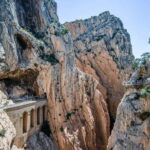
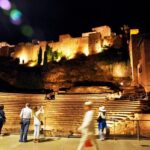
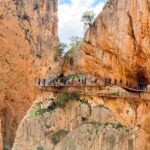
This tour doesn’t only stick to Picasso-related places. You also get key Malaga monuments, including the Cathedral, the Alcazaba Fortress, and the Roman Theatre.
Here’s the value: Picasso didn’t create in a vacuum. You’re seeing the layered city that existed around him—old, defensive, religious, and historical. Even if you’re focused on art, these landmarks give you the backdrop that makes Picasso’s Malaga feel real.
You can also read our reviews of more guided tours in Malaga


Cathedral
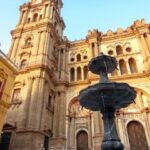
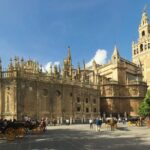
You’ll encounter the Cathedral as a major visual and cultural landmark. Your guide can point out how monumental architecture shapes a city’s identity, and how that sense of place can influence the way artists interpret a landscape and community.
Alcazaba Fortress
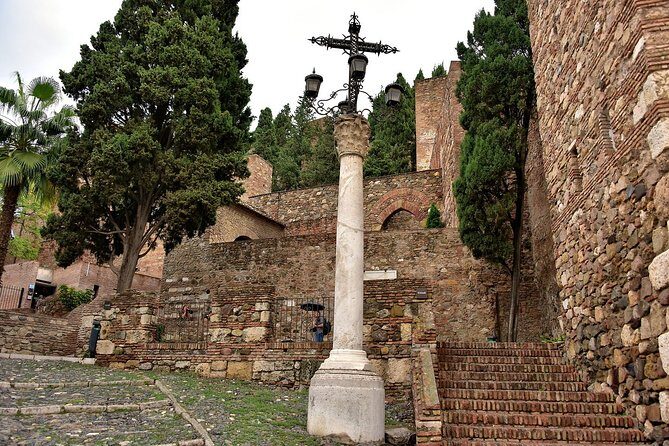
The Alcazaba Fortress adds a different angle: Malaga’s strength and history in stone. Fortress architecture changes how you experience a place—views, elevation, and the feeling of protection. Those kinds of impressions often stick with people, even when they don’t feel “art-related” at first.
Roman Theatre
The Roman Theatre is another excellent anchor because it connects modern visitors to older rhythms of public life. It’s the kind of stop that can make a walking tour feel more complete than a single-artist route.
A fair consideration: because the tour is only 1.5 hours, you won’t linger long at each monument. Instead, you’ll get the key facts and the connection to Picasso’s Malaga so you can decide what deserves extra time later.
The bullring detail: where art and place get personal
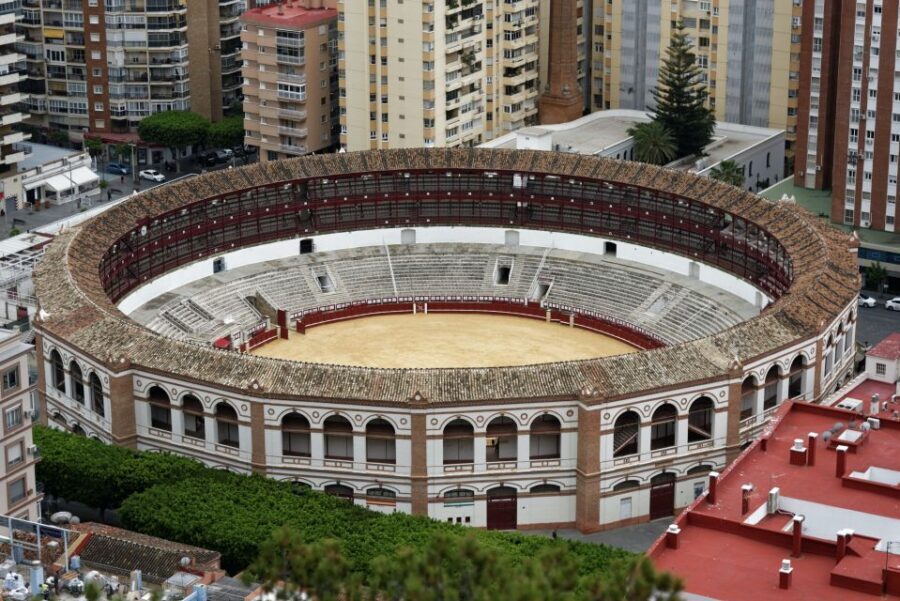
One of the most specific, memorable elements included here is the bullring, described as inspiring Picasso’s first oil painting. This is the kind of detail that turns a landmark into a personal clue.
If you love art, this stop gives you a tangible “origin story” connection. If you’re more casual about Picasso, it still helps you understand why Malaga matters to his work beyond fame. You’re not just following a famous person—you’re seeing how a local tradition and setting can spark a creative breakthrough.
And it’s also a great example of why a guided walk can be worth it. On your own, you might pass the bullring and shrug. With a guide, it becomes a talking point with meaning.
A viewpoint stop that helps you reset your eyes
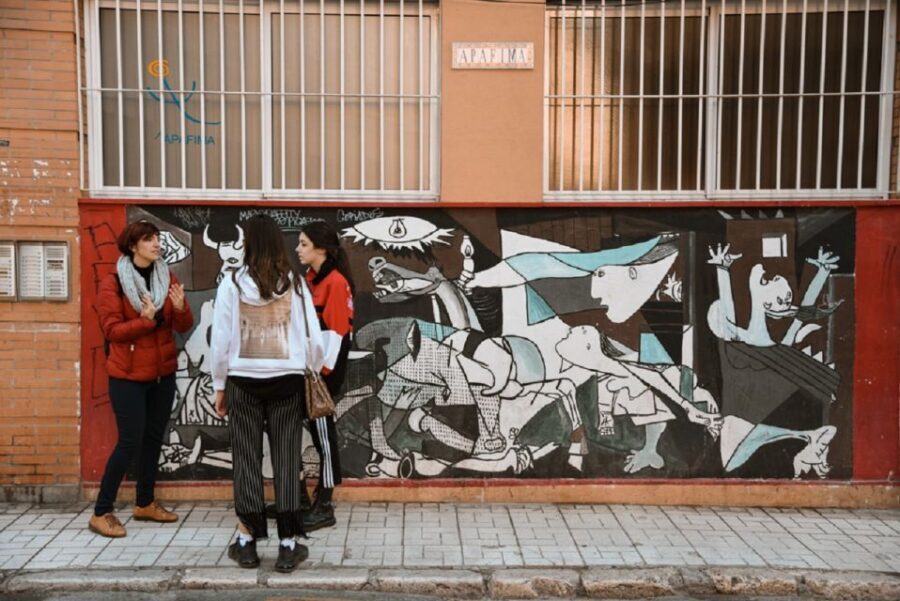
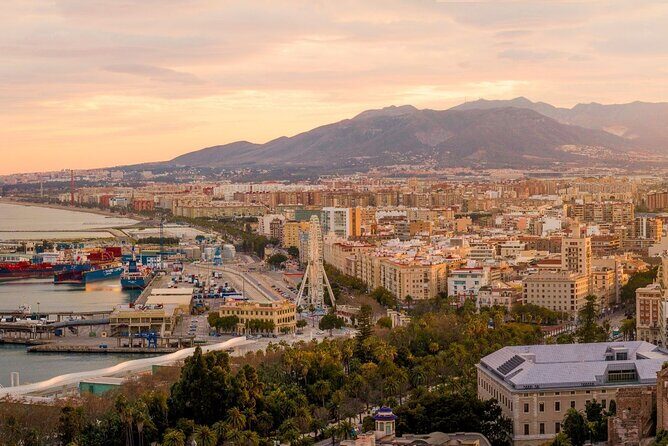
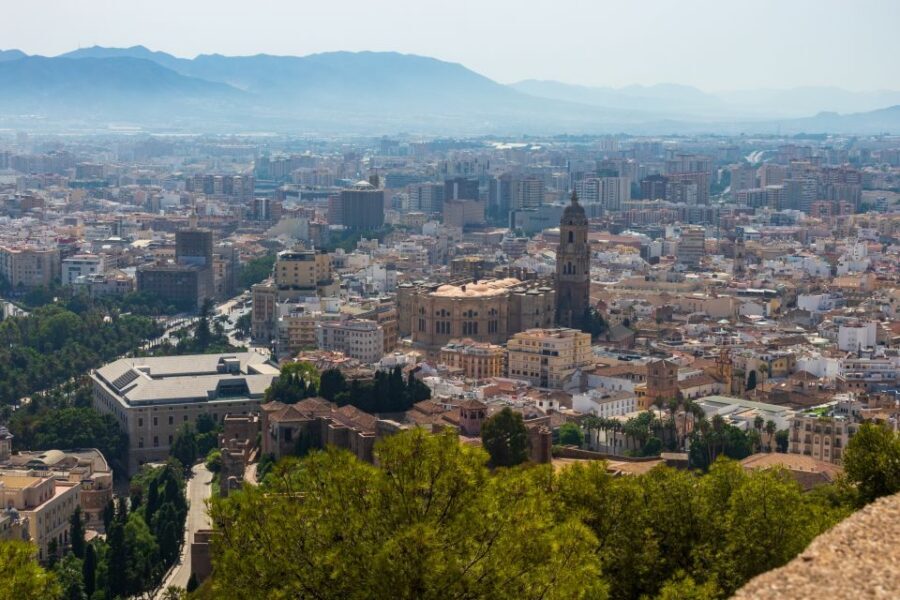
The route includes a viewpoint segment, where the guide provides a guided walk and scenic views along the way. This is the reset button of the tour. After moving through city architecture and landmarks, a viewpoint helps you re-orient and absorb scale.
Even if you’re not a photographer, seeing the city from above tends to make it easier to connect streets you just walked with what you’ll see later. It also makes the tour feel less like a checklist and more like a guided experience.
Use this part to ask any last questions you’ve been saving. Reviews praise guides for staying cheerful and thorough with answers, and a viewpoint is often the perfect moment to get clarity before your walk ends.
Price and value: is $58 worth 90 minutes?
At $58 per person for 1.5 hours, the price is best understood as paying for guided storytelling and local expertise—not for museum entry fees. Since entrances aren’t included, you’re essentially buying time with a guide who helps you connect Picasso’s life to the city you’re walking through.
Where it feels like good value:
- You hit multiple major monuments in one outing (not just Picasso sites).
- You get a structured route that saves you time figuring out what matters.
- Reviews highlight that the best guides—like Alicia—keep the energy up and answer questions, which makes the time feel faster.
Where you might feel it’s less ideal:
- If you plan to spend lots of time inside museums during this window, you’ll need to add tickets and time separately.
- You’ll be walking, so if you’re hoping for a seated, slow pace, this setup may not match your style.
In one reported case, a small group (four people) made the experience feel very intimate. That’s not something you can assume every time, but it’s a good sign that this tour model can feel personal, not rushed.
Practical guidance: how to get the most from this walk
Here are the small choices that make a big difference with a 90-minute tour:
- Start thinking about your priorities before you arrive. If you care most about Picasso, let the city monuments be context, not distractions.
- Plan your museum day order. A helpful strategy is doing this walk before you visit Picasso-focused museums, so you arrive with clearer story threads.
- Bring curiosity, not just a camera. The tour is built around questions like how his family life worked in Malaga and what inspired his artwork—your guide’s answers help you “see” more than you’d expect.
- Wear walking shoes. The whole format assumes you’ll be moving through central Malaga.
You also end back where you started, at Pl. de la Merced, 14, which makes it easy to continue your day with a clear starting point for meals, additional monuments, or a museum ticket you decide to add later.
Who should book this tour (and who might skip it)
Book this tour if:
- You want a fast, guided way to understand Malaga through Picasso’s early life.
- You like city walking tours that connect art to everyday places.
- You’re planning to visit Picasso-related museums and want helpful context first.
- You enjoy asking questions and getting thoughtful answers from a friendly guide.
You might skip it if:
- You mainly want museum time and are hoping the tour includes entrances.
- You prefer a totally self-guided plan and would rather read at your own pace without explanations.
- You have mobility limits that make a walking route difficult (the tour is designed as a walking experience).
This is a solid “first day in Malaga” kind of activity, or a “connect-the-dots before the museum” kind of activity. Either way, it helps you go beyond seeing buildings and actually understanding why Picasso’s Malaga mattered.
Should you book the Málaga: History of Picasso Guided Walking Tour?
Yes—if you want a practical way to connect Picasso to Malaga without spending hours researching on your own. The price can feel fair because you’re paying for a guided route that links major monuments with specific Picasso references, including his childhood setting and a bullring connection to his first oil painting.
I’d book it especially if you’re pairing it with a Picasso museum visit afterward. And if you value responsive, enthusiastic guiding, look for that energy when you arrive—guides like Alicia have been singled out for a reason.
If you want, tell me your travel dates and what else you plan to do in Malaga (beach, museums, Alcazaba/Cathedral timing). I can suggest a smooth order so you don’t waste time doubling back.
FAQ
Where do I meet for the tour?
You meet next to the Picasso sitting statue at Pl. de la Merced, 14.
How long is the guided walking tour?
The tour lasts 1.5 hours.
Is the tour guided in English?
Yes. The tour is available in English and Spanish.
Are entrance fees included for museums and monuments?
No. Entrance to attractions is not included.
What main places are part of the route?
The walk includes Picasso’s childhood area and Birthplace Museum building, plus major sights such as the Cathedral, Alcazaba Fortress, Roman Theatre, and the bullring, along with stops like Church of Santiago and Picasso Museum Malaga (pass by).
Will I get time for viewpoints during the tour?
Yes. The itinerary includes a viewpoint with guided tour and scenic views on the way.
Is hotel pickup and drop-off included?
No. Hotel pickup and drop-off are not included.