REVIEW · MALAGA
Guided visit to the Roman Theater and Alcazaba in Malaga
Book on Viator →Operated by Memorias de Málaga · Bookable on Viator
Malaga hides two eras in one guided walk.
This Roman Theater and Alcazaba visit strings the city’s story together in order, starting with the Romans and then moving into the Muslim period, with key moments like the Catholic conquest explained as you go.
I particularly like the way the guide helps you see connections fast, not as separate monuments but as steps in Malaga’s timeline. I also really enjoyed the Alcazaba viewpoints—the route climbs gradually toward the palatial area, and the stops make time for photos. One drawback: it’s time-efficient, so if you want to linger for long museum-style reading, you may wish you had extra hours on your own.
In This Review
- Key Highlights You’ll Feel on the Walk
- Roman Theater First: Getting Your Malaga Timeline Straight
- Entering the Alcazaba: A Fortress Walk That Builds Up
- The Story Thread: Muslim History and the Catholic Conquest
- Small Group Size: Better Photos and More Personal Questions
- What $24.92 Buys You (and Why It Can Be Good Value)
- Timing, Weather, and the Mask Requirement
- Where This Tour Fits Best (and Who Might Want Something Else)
- Should You Book This Roman Theater and Alcazaba Tour?
- FAQ
- Where does the tour start and end?
- What time does the guided visit begin?
- How long is the tour?
- Is the ticket delivered digitally?
- What’s the maximum group size?
- Are the monument entrance fees included?
- Is the tour affected by weather or minimum group size?
Key Highlights You’ll Feel on the Walk
- Roman Theater first so the city story makes sense before you enter the fortress
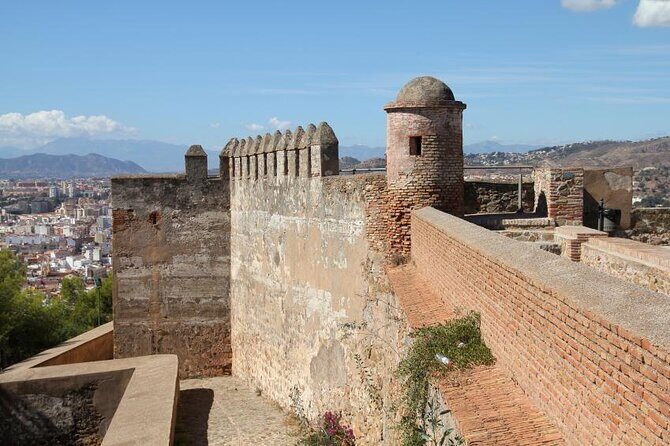
- Alcazaba climb with structure, starting from the lower enclosure and moving up step by step
- Palatial-area views explained, so you know what you’re looking at (not just where to stand)
- Small-group feel (max 15), which keeps the pace human and the photo stops easier
- Two historical threads, Muslim history as the guide’s common thread, plus the Catholic conquest
Roman Theater First: Getting Your Malaga Timeline Straight
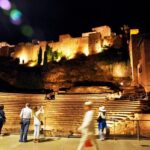
You start at Plaza de la Aduana at 10:00 am, and the tour is designed like a cultural warm-up. The first stop is the Teatro Romano de Malaga, and the whole point here is orientation. The guide talks through the Roman theater first, then uses it to set up what comes next—so the rest of the walk doesn’t feel like three unrelated sights.
This is a smart order. The theater gives you a baseline for how Malaga was shaping its public life before later eras took over. Even if you do not know anything about Roman architecture, you’ll get the basic context you need to understand why this site matters. Think of it as getting your bearings fast, so the fortress later lands with more meaning.
You only spend about 30 minutes at the Roman Theater area. That’s not a lot of time, but it’s enough for explanations and a few photos—especially because the tour keeps momentum. If you like slow travel, you can always return after the guided part ends.
Also, entry to the monuments is included in the price, so you’re not scrambling for tickets mid-walk. And since the tour uses a mobile ticket, you avoid the usual phone-or-paper drama at the gates.
You can also read our reviews of more guided tours in Malaga

Entering the Alcazaba: A Fortress Walk That Builds Up
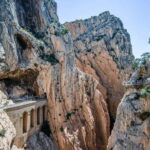
After the Roman Theater, you shift into the Alcazaba, Malaga’s famous citadel. This is the longest section of the visit, about 1 hour 30 minutes, and it’s where most people start to feel the payoff.
Here’s how the experience is paced: you begin in the lower enclosure, then you go up little by little. That phrasing matters, because it signals what the guide does with the route. The walk is not just movement—it’s staged. Each area you reach helps the story change gears, so you’re not climbing blindly without knowing why you’re going to the next corner.
The guide also points out the corners and secrets of the fortress as you move toward the palatial zone. While you’re walking, you’ll get explanations tied to what you’re seeing, not just a list of facts. That approach is especially helpful in a site like the Alcazaba, where it’s easy to be impressed but hard to know what each spot represents.
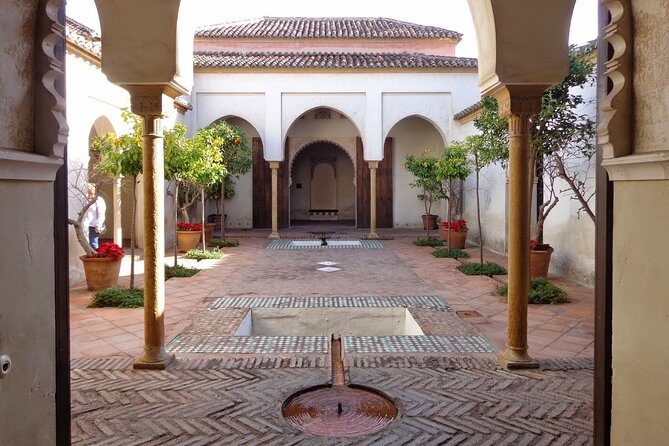
And then comes the part people remember: the palatial area views. The tour includes time to take them in, and the guide explains what makes these areas beautiful. You’re not simply told, stand here for a photo. Instead, you learn what you’re looking at and how it fits into the fortress layout.
One practical consideration: the walking is paced as you move upward, so wear comfortable shoes. The tour says most travelers can participate, but you still should expect a steady walking route inside the citadel.
The Story Thread: Muslim History and the Catholic Conquest
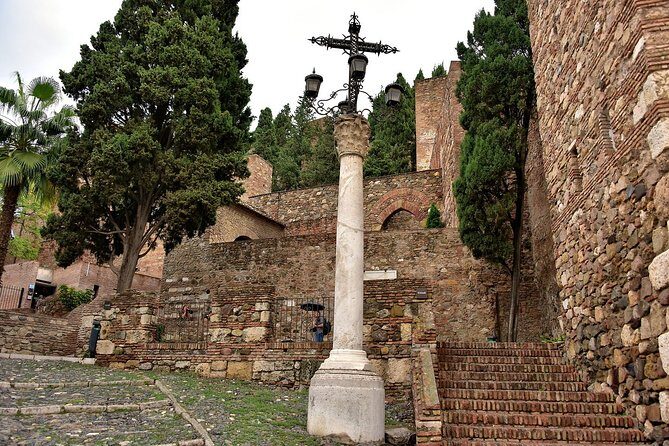
What makes this tour feel more than a sightseeing route is the way the history is threaded. The guide uses Muslim history as the common thread during the Alcazaba section. That means you’re not getting random time jumps. You’re getting a guided narrative that stays anchored to what the fortress represents in the Muslim period.
Then the tour also covers the Catholic conquest, so you understand how control changed and how that shift affected what you see later. If you’ve ever visited a layered historical site and felt lost between eras, this structure helps.
This storytelling approach works especially well because it’s paired with the physical layout. The guide can point to places and explain why the order of spaces matters. Even if you only catch parts of the historical details, you’ll still leave with a clearer idea of the city’s evolution.
This also explains why the tour is popular with history-minded visitors. A strong guide turns stones into a timeline you can actually follow.
Small Group Size: Better Photos and More Personal Questions
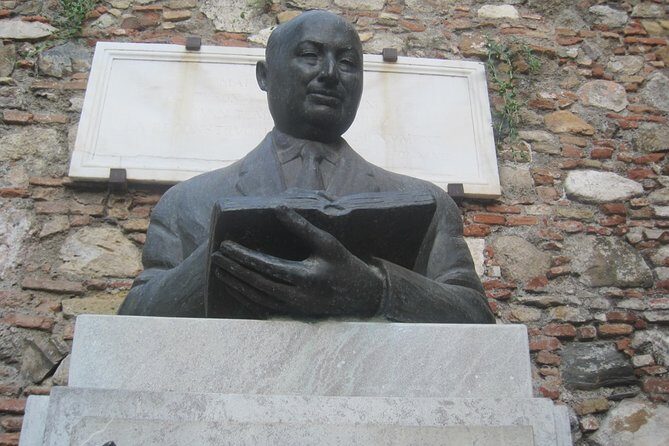
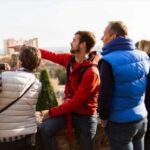
One of the most practical strengths is the small-group size, with a maximum of 15 travelers. That matters more than it sounds. In a place where you’re moving through tight areas and viewpoints, smaller groups mean fewer bottlenecks and more space for photos.
It also means you’re more likely to ask a question and get an answer that fits your interests. The tour is described as often being done in small groups, and that’s consistent with the standout guide experiences people talk about.
You may also get an especially personal version of the tour. In at least one case, the experience ended up effectively private with just two people, and that made the guide’s explanations feel even more tailored and enthusiastic. The takeaway for you: if you like a more personal pace than big-bus tours, this is a good fit.
The tour is conducted by an expert local and native guide. Past experiences you’ll hear about include guides named Antonio and Esther, both praised for turning the Roman and Muslim eras into something you can understand quickly. That kind of guide enthusiasm is not just nice—it helps you remember what you saw later when you look at photos.
What $24.92 Buys You (and Why It Can Be Good Value)
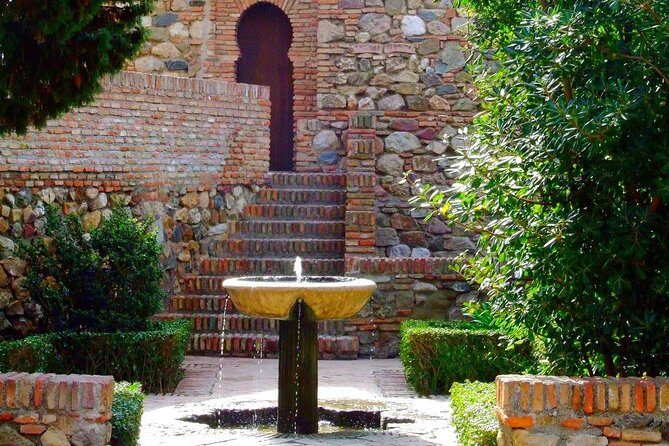
The price is $24.92 per person, and you’re usually looking at about 2 hours total. On paper, that could sound “short.” But here’s what you get for the time:
- Entry to the monuments is included
- You get a guided narrative that connects Roman and Muslim eras
- You receive help navigating the Alcazaba route, from lower enclosure up to the palatial views
- The group size is capped at 15
When you compare that with DIY visits, the value isn’t just money—it’s time saved and confusion avoided. Alcazaba is not a place where you want to wander without context, because the meaning of each area is easier to grasp when someone explains the layout and the historical thread.
So even though the total duration is about 2 hours, it feels efficient rather than rushed—especially because the tour has a clear order and built-in photo time.
Booking timing can also affect value. The tour is commonly booked around 6 days in advance, so if your dates are fixed, I’d plan around that. You don’t want to gamble on last-minute availability when the group cap is small.




Timing, Weather, and the Mask Requirement
This experience runs in the morning, starting at 10:00 am, and it requires good weather. That matters because the schedule depends on the outdoor portions in the fortress area. If the day is rainy or too stormy, you may be offered a different date or a full refund.
You should also plan for the current rules stated for the tour: you must wear a mask at all times during the tour, covering both nose and mouth properly. Bring one that you’re comfortable wearing for the full walking time.
As for “what to bring,” think practical:
- Comfortable walking shoes
- A phone camera (you’ll want it for the palatial viewpoints)
- A mask you can keep on comfortably
And because it uses a mobile ticket, make sure your phone battery is healthy. When you’re inside a historic site, you don’t want to be stuck trying to load a ticket screen.
Where This Tour Fits Best (and Who Might Want Something Else)
This is an excellent choice if you want a guided route that links two major sites in a clear chronological order. It’s also great for people who love photos but don’t want to spend vacation hours working out where to stand and what to look for.
You’ll get more out of it if you enjoy:
- walking with a narrative
- asking questions in a small group
- learning how eras connect, instead of treating monuments like isolated stops
On the other hand, if you’re the kind of traveler who wants to sit and read for a long time, this may feel too short. The tour keeps a steady pace, and the Roman Theater stop is only about 30 minutes. You can always add independent time after the guided portion ends back at the meeting point.
Should You Book This Roman Theater and Alcazaba Tour?
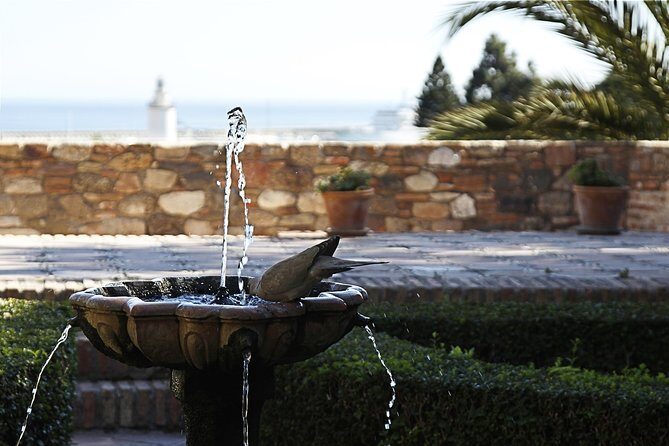
Yes—with a couple of smart checks.
I’d book it if you want the easiest path to understanding Malaga’s layered past in about two hours, with entrance included and a small-group format. The guides named Antonio and Esther are praised for making the Roman and Muslim eras feel understandable, and the palatial-area views come with explanations, which makes the photos more meaningful.
Before you go, do one practical thing: confirm you’ll be contacted if there’s any change due to weather or minimum traveler numbers. There has been at least one bad experience reported where a cancellation happened without notification, so I recommend you double-check your email and messages the day before and again in the morning. It’s rare, but it’s a simple way to protect your plans.
If that sounds like your kind of day—short, guided, photo-friendly, and story-driven—this tour is a strong choice for Malaga.
FAQ
Where does the tour start and end?
The tour starts in Plaza de la Aduana, Distrito Centro, Málaga, Spain and ends back at the same meeting point.
What time does the guided visit begin?
The start time is 10:00 am.
How long is the tour?
It lasts about 2 hours.
Is the ticket delivered digitally?
Yes. The tour uses a mobile ticket.
What’s the maximum group size?
The group is capped at 15 travelers.
Are the monument entrance fees included?
Yes. Entrance fees to the monuments are included in the price.
Is the tour affected by weather or minimum group size?
Yes. It requires good weather, and it may be canceled if the minimum number of travelers isn’t met. In those cases, you’ll be offered a different date or a full refund.