REVIEW · MALAGA
Roman Theatre and Alcazaba of Málaga Tour
Book on Viator →Operated by Top Tour Málaga · Bookable on Viator
One of Malaga’s best histories sits in plain sight. This tour strings together the Roman Theatre and the Alcazaba fortress so the city’s story feels connected, not random. You get a guide who tells it like a story, and you also get the practical bonus of tickets for Alcazaba handled for you.
Two things I really like: you start at the Roman Theatre (built in the 1st century AD and still remarkably well preserved), and you finish with the top section where the views over the Port of Malaga make the walk feel worth it. The pace is tight—1 hour 30 minutes—so you’ll want decent shoes and a willingness to move.
One possible drawback: this experience runs best in good weather, and the schedule is short, so if you’re the type who likes to linger, you might feel a bit rushed at the end.
In This Review
- Key highlights you’ll feel on the ground
- Roman Theatre First: Where 1st-Century Malaga Starts to Make Sense
- What can feel tricky here
- Alcazaba Walls: The Alhambra Comparison That Actually Helps
- A practical takeaway: you’ll understand what you’re seeing
- Gardens, Palace, and the Port of Malaga View
- How to pace yourself
- Raquel Haro’s Approach: Why the Storytelling Matters
- The value beyond the walls
- Price and Value: What You’re Really Paying For
- Who it’s best for
- Logistics That Affect Your Enjoyment (Start Time, End Point, and Pace)
- Plan for movement
- Tips for Getting the Most Out of Every 90 Minutes
- Should You Book This Roman Theatre and Alcazaba Tour?
- FAQ
- What is the meeting point for the tour?
- Where does the tour end?
- How long is the tour?
- What time does it start?
- Is the tour in English?
- Is Alcazaba admission included?
Key highlights you’ll feel on the ground
- Small group size (max 20) keeps questions easy and the pace human
- Raquel Haro’s storytelling style makes both eras click, especially the Alcazaba
- Roman Theatre details from the 1st century AD turn ruins into a timeline
- Alcazaba gardens and palace section add variety, not just wall-walking
- Port-of-Malaga viewpoints give you payoff for the climb
- Mobile ticket means less fuss at the start
Roman Theatre First: Where 1st-Century Malaga Starts to Make Sense
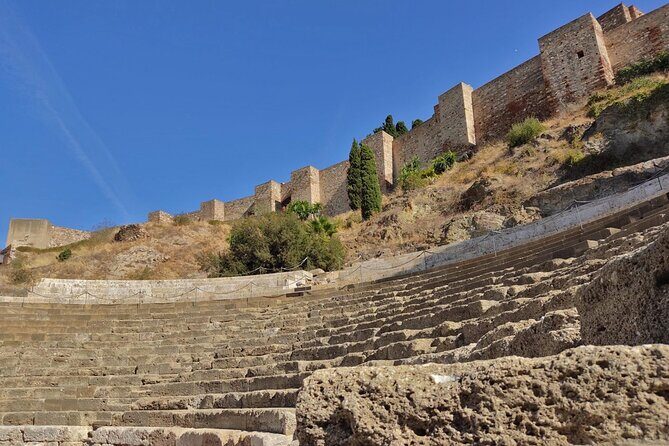
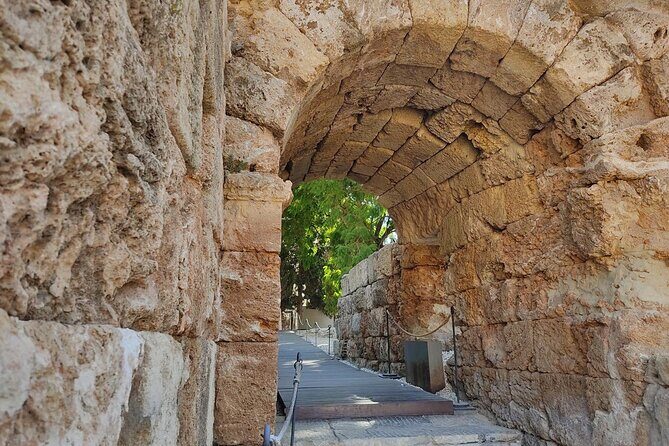
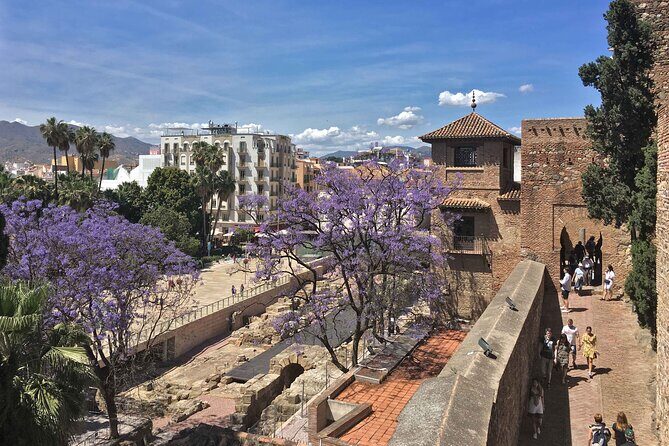
You begin near the Pirámide de Cristal on Alcazabilla Street, right where the day’s historical thread starts. From the glass pyramid area, you head into Roman times and the Teatro Romano de Malaga, one of the more intact Roman theatre remains you’ll see in the city.
I like this first stop because it gives your eyes something concrete right away. The guide points out how the theatre was built in the 1st century AD, and you’re not just looking at stones—you’re learning what kind of place it was and why it mattered for a city that’s often described as among the oldest in the world.
The stop is about 30 minutes. That’s enough time to get the big picture and spot key features, but not enough time to wander off on your own. If you normally like long photo pauses, keep your camera ready—then let the guide’s timing do its thing.
You can also read our reviews of more tours and experiences in Malaga.



What can feel tricky here
The theatre visit is time-limited, so if you arrive late or need extra time to regroup, you’ll feel it immediately. Also, because it’s outdoors, weather can change the comfort level fast—this tour is explicitly designed to run when conditions are good.
Alcazaba Walls: The Alhambra Comparison That Actually Helps
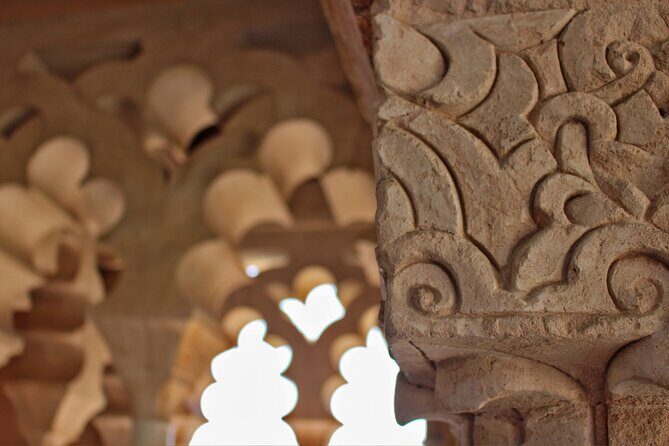
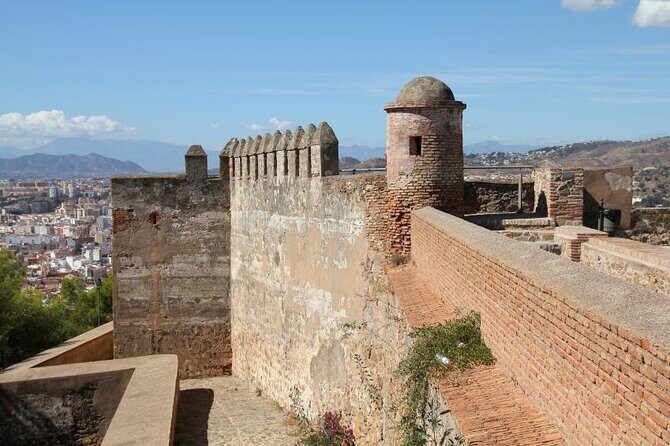
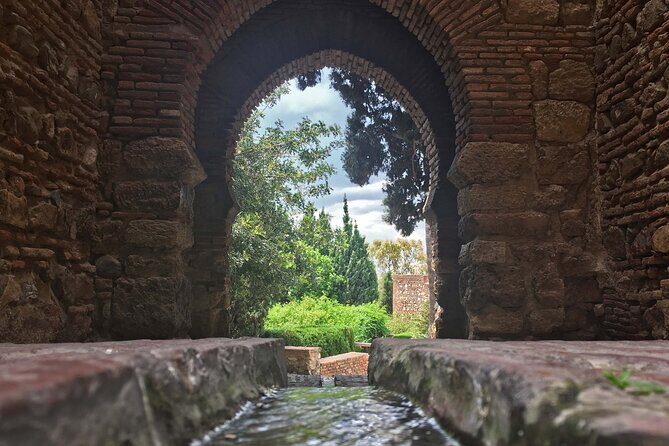
Next you move to the Alcazaba, a medieval Arabic fortress known by locals as the younger sister of Alhambra. The comparison isn’t random. It helps you understand the style and the mindset behind the design—how power and protection shaped everything, including the way people moved through the space.
This is the kind of place where context matters. On this tour, you walk the fortress walls and learn why it earned a reputation for being impregnable during the conquest. Instead of memorizing dates, you start noticing defensive logic: sightlines, choke points, and the way the layout forces control.
This segment is also about 30 minutes, so you get a guided path that keeps you from getting stuck at the first gate and wondering where to go next. You’ll still feel the fortress in your legs, but the route stays focused.
A practical takeaway: you’ll understand what you’re seeing
The big value here is that the Alcazaba isn’t presented as just pretty walls. You get an explanation that makes the fortress feel like a system—built to last, built to control movement, built to protect people inside.
That matters because you’ll pass the most interesting views while you’re still learning what to look for. By the time you reach the top section later, you’ll already be reading the place more intelligently.
Gardens, Palace, and the Port of Malaga View
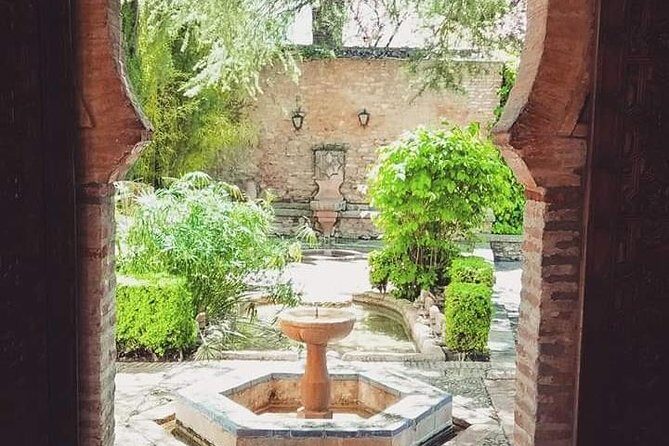
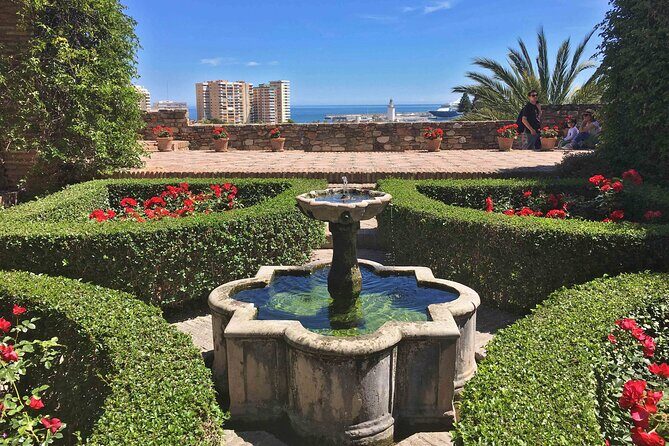
After the wall-walking portion, you head to the top area of the Alcazaba. This is where the tour shifts from pure defense to daily life—Arabic gardens plus palace spaces where kings and governors lived for more than 400 years.
This is the part I think most people love for a simple reason: the atmosphere changes. Gardens add softness and shade, and the palace gives you a sense of hierarchy and home life, not just military strategy. You’re still in the same fortress, but it feels like a different world inside it.
The final 30 minutes wrap with the best kind of finish: the panoramic view toward the Port of Malaga. If you’re a photo person, this is when you’ll want to be ready. If you’re not, it still helps you get your bearings fast—seeing the city and water line in relation to the fortress makes the whole trip feel complete.



How to pace yourself
Because the total tour time is only about 1 hour 30 minutes, your enjoyment depends on staying with the group. Use this strategy: take a few photos on the move, then choose a single moment for your longer shot when the guide signals the viewpoint.
If you stop too early and fall behind, you’ll lose the flow and the story—exactly what makes this tour better than a self-guided wander.
Raquel Haro’s Approach: Why the Storytelling Matters
One standout pattern shows up clearly in the guide feedback: Raquel Haro (sometimes mentioned as Rachel) is praised for turning facts into something you actually remember. People described her as a strong storyteller and interactive with the group, and that matters because this tour is compressed.
You’re going to see two different civilizations—Roman and medieval Arabic—in just 90 minutes. Without narration, it’s easy to treat both stops like separate photo stops. With the guide’s approach, you start connecting them: the city changes, but the idea of controlling space and gathering people continues in different forms.
I also like that the guide uses supporting materials. Several comments mention pictures and a lot of information, plus plenty of time for questions. If you’re the kind of traveler who asks why something was built a certain way, this format usually feels good because you can slow down without derailing the whole group.
The value beyond the walls
A nice extra from the guide experience: you’ll get resources to find more information later, plus recommendations for places to visit. That’s not a small thing. It helps you keep the history going after the tour ends, especially if you want to plan the rest of your day around themes.
Price and Value: What You’re Really Paying For
The price is $26.43 per person, and the best way to judge value is what’s included. You get an official tour guide, and Alcazaba tickets are included in the cost. The Roman Theatre admission is free in the tour flow, so your money mostly goes toward expert guidance plus the one paid entry.
For a short, high-impact itinerary, that matters. A lot of the cost in a city like Malaga is your time—figuring out routes, figuring out what to look for, and paying for entry tickets on top of it. Here, the route is managed and the entry for the fortress is handled.
This is also a tour with a max group size of 20. That keeps the experience from turning into a fast conveyor belt, which is where value starts to drop on other sightseeing tours. If you want guided history without feeling trapped in a crowd, this one fits the bill.
Who it’s best for
This tour is a good match if you want:
- A guided introduction rather than a deep academic study
- A single morning or short window to cover two major landmarks
- A guide-led route that helps you avoid missing the best viewpoints
If you’re traveling with someone who likes structure and narrative, the storytelling approach is a real advantage.
Logistics That Affect Your Enjoyment (Start Time, End Point, and Pace)
The tour starts at 10:00 am, near the Pirámide de Cristal at C/ Alcazabilla, 4. It ends at C/ Alcazabilla, 2, and it finishes inside the Alcazaba. That ending detail is more useful than it sounds: you’ll be in the fortress area when you’re done, so you can keep exploring rather than immediately breaking away.
You also get a mobile ticket, which is convenient. No one loves stopping on vacation to hunt for paper tickets, and mobile access makes the start smoother.
And the tour runs in English. If English is your comfort zone, this is straightforward. If you prefer a different language, double-check before booking since the provided information only guarantees English.
Plan for movement
Even though it’s only 1 hour 30 minutes, the Alcazaba involves a climb to reach the top gardens and palace area. You don’t need athletic gear, but you do need shoes you trust.
Also, because this experience requires good weather, don’t plan to treat it as optional if you’re only in Malaga for a single day. If you’re flexible, you’ll have a nicer time.
Tips for Getting the Most Out of Every 90 Minutes
If I were setting you up for success, I’d focus on four things: timing, attention, photos, and questions.
First, arrive a few minutes early. The meeting point is specific—next to the glass pyramid—and starting on time matters in a short itinerary. Second, listen for the guide’s cues about what to notice. These stops reward attention; the walls and theatre features make more sense when you know what the guide is pointing at.
Third, manage photos like a pro: quick shots while moving, then one or two planned photos where the view opens up. The Port of Malaga viewpoint is a key payoff, so don’t spend your whole camera battery before you get there.
Finally, ask questions. The feedback on Raquel Haro emphasizes Q&A and engagement, so you’ll get more from the tour if you treat it like a conversation rather than a lecture.
Should You Book This Roman Theatre and Alcazaba Tour?
I think you should book if you want a guided, time-efficient way to understand Malaga’s layers. The combination of the Roman Theatre (1st century AD) and the Alcazaba fortress gives you two big eras in one flow, and the guide’s storytelling approach is the difference between seeing ruins and actually understanding them.
Skip it only if you strongly prefer unscheduled wandering or you hate the idea of a tight 90-minute pace. This tour is designed to keep momentum. If that sounds like your style, it’s a solid value at $26.43 with tickets included for the main fortress.
If you’re in Malaga for a short trip, this is the kind of tour that helps you set the tone for the rest of your day—then you can go back out on your own with smarter eyes.
FAQ
What is the meeting point for the tour?
The tour starts at Pirámide de Cristal, C/ Alcazabilla, 4, Distrito Centro, 29015 Málaga, Spain.
Where does the tour end?
The tour ends at C/ Alcazabilla, 2, Distrito Centro, 29012 Málaga, Spain, and it finishes inside Alcazaba of Málaga.
How long is the tour?
It lasts about 1 hour 30 minutes.
What time does it start?
The start time is 10:00 am.
Is the tour in English?
Yes, the tour is offered in English.
Is Alcazaba admission included?
Yes. Alcazaba tickets are included, while the Roman Theatre stop notes free admission in the tour flow.