REVIEW · MARBELLA
Marbella: Sightseeing Walking Tour
Book on GetYourGuide →Operated by Tours in Malaga · Bookable on GetYourGuide
Marbella hits you fast. In 90 minutes you’ll connect the Moorish and Castilian past to today’s seaside streets. I love how the walk stays practical, not just “look at this.” I also love that the guide makes the places feel tied to real life—stories, customs, and even food tips. One heads-up: it runs only if there’s a minimum group of four, so booking late can be a gamble.
You’ll start in Alameda Park (Parque de la Alameda) and head straight into the heart of Marbella’s old center, where orange trees, churches, and street-level details do the talking. The experience is flexible with multiple guide languages (English, Spanish, French, German, Italian), and it’s built for mixed ages—perfect if your group includes grandparents and kids who still have energy. If you want long museum-style time or lots of stops with interior entrances, this isn’t that kind of tour.
You’ll also see a fun curveball: Salvador Dalí’s statues, which break the “only old stones” vibe in the best way. The tour is wheelchair accessible, and you’ll be walking on comfortable-shoe territory rather than tricky, technical footing. If that’s not your thing, stick to a longer self-guided wandering day after this for extra time.
Key Tour Takeaways
- Alameda Park to the old center: a quick start that puts you in the right frame of mind.
- Moorish castle remnants: see how Marbella’s power centers shaped what you walk past today.
- Orange Square atmosphere: the social hub where history meets daily life (cafés and shops included).
- Religious architecture focus: churches and cathedral areas explained in plain language.
- Dalí statues: surrealist art that makes the walk feel modern, not frozen in time.
- One expert guide, multiple languages: English and more, with a human, local delivery style.
In This Review
- Getting Oriented in Alameda Park Before You Start Walking
- Orange Square: Why This Corner Matters More Than It Looks
- Moorish Castle Remnants and the Alcazaba-Style Story
- Castilian Buildings and the Modern-Age Shift in Feel
- Religious Heritage: Main Church and Cathedral-Area Highlights
- Dalí’s Statues: When Marbella Gets Surreal (In a Good Way)
- How the Guide Makes It Feel Like a Town, Not a Checklist
- What the 90 Minutes Really Gives You (And What It Doesn’t)
- Who This Walking Tour Fits Best
- Price, Timing, and Group Practicalities You Should Know
- Should You Book This Marbella Sightseeing Walking Tour?
- FAQ
- How long is the Marbella sightseeing walking tour?
- How much does the tour cost?
- What languages is the live guide available in?
- Is entrance to monuments included?
- What should I bring for the walk?
- Is the tour wheelchair accessible?
Getting Oriented in Alameda Park Before You Start Walking
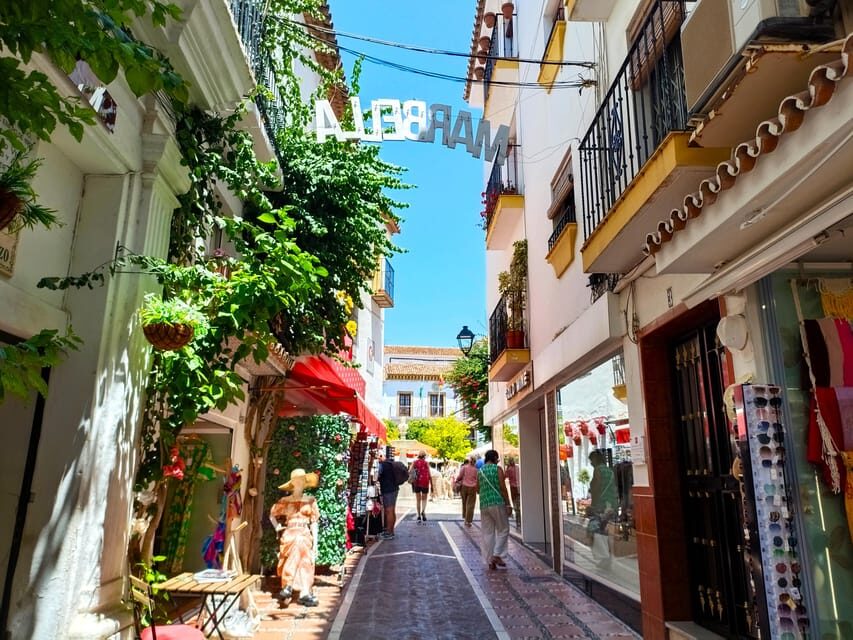
I like tours that begin by giving you context fast, and Alameda Park (Parque de la Alameda) does exactly that. It’s a good “breathing space” before the tight streets and landmark stops. You’ll feel the shift from open park calm into old-city rhythm within minutes, which helps you understand what you’re seeing instead of just collecting sights.
This is also where you can mentally set your priorities: you’re here for the big stories—religious heritage, Moorish-era remnants, and the blend of eras that make Marbella feel like more than a beach town. You’re also here for the smaller texture: the squares, the streets, the way people actually move through the center.
If you’re the type who gets lost easily, this kind of guided start is a win. You’ll get your bearings fast—more “put your eyes on the right things” than “race to the next photo.”
Orange Square: Why This Corner Matters More Than It Looks

Orange Square is where the tour energy locks in. Even if you’ve seen plenty of European plazas, this one works because it’s still used in daily life. Cafés, shops, and the general hum of people create a natural setting for the history you’ll hear from the guide.
I love that the guide doesn’t treat the square like a postcard. You learn to connect the urban design—open space, surrounding buildings, street connections—to how Marbella has operated over time. That’s the difference between a “see it” stop and a “understand it” stop.
Practical tip: plan to pause here. Don’t rush your photos. Sit for a minute if you can. You’ll notice details like façade changes and how the street corners funnel you toward the next landmark. That’s the whole trick of Marbella’s center: it’s layered, and the layers show up when you slow down just enough.
You can also read our reviews of more walking tours in Marbella



Moorish Castle Remnants and the Alcazaba-Style Story
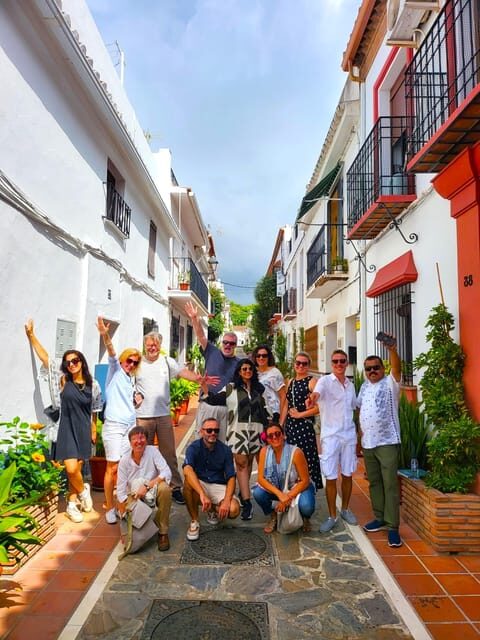
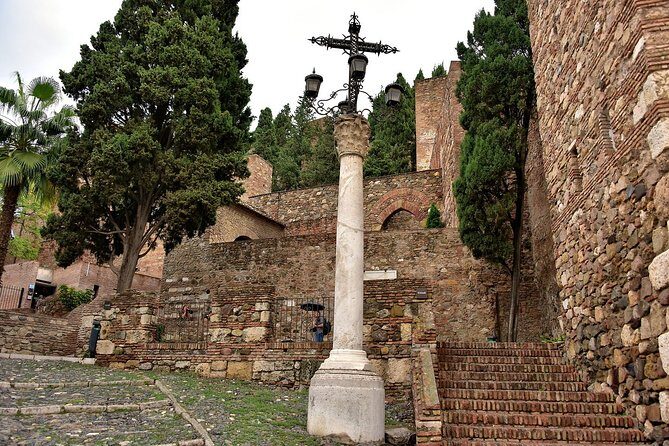
One of the most compelling parts of this walk is the remains tied to Marbella’s Moorish castle presence. You’re not going to get a full archaeological dig experience in 90 minutes, but you will get the “why this matters” explanation that makes the stones meaningful.
You’ll hear how the castle and fortification areas influenced the city’s layout. Even when what you’re seeing looks like partial walls or remnants, the guide helps you read it as strategic space: higher ground, defensive thinking, and how power shaped the urban center.
In plain terms, you’ll understand why Marbella developed where it did and why certain areas carry that old “built for protection” feeling. I find this angle especially useful on the Costa del Sol, where it’s easy to think everything started as a modern resort. This tour corrects that quickly.
Potential drawback: if you’re expecting long time at a major fortress complex with extensive ruins access, you may want to follow up with extra time afterward. But as a highlight within a short guided walk, this is a strong, high-impact stop.
Castilian Buildings and the Modern-Age Shift in Feel
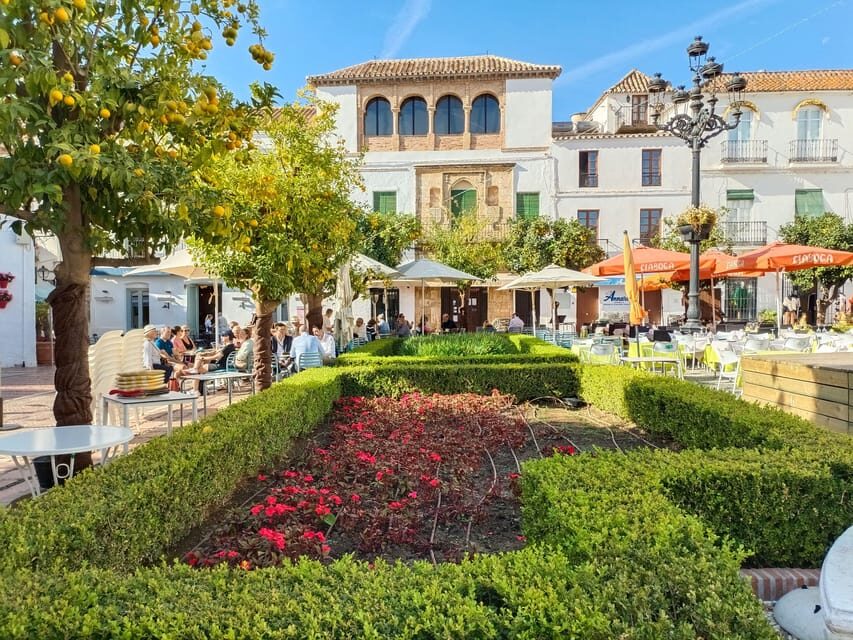
Marbella’s story isn’t only Moorish-era. You’ll also see evidence of the Castilian phase and what the guide frames as more modern-age building influence. This is where the architecture starts telling a different story—less defensive, more civic and religious, with changes that reflect shifting eras and priorities.
I like this part because it gives you contrast. You start to sense how the city evolved from fortified survival toward a more established town center with religious and public structures taking center stage. The guide helps you connect those transitions as you move through streets and landmarks.
Keep your eyes on the edges: changes in materials, transitions in street blocks, and the way buildings relate to the squares. Even without a “museum explanation,” the city layout lets you feel the timeline as you walk. That’s the value of a walking tour here: you’re experiencing the city’s logic in real time.
Religious Heritage: Main Church and Cathedral-Area Highlights
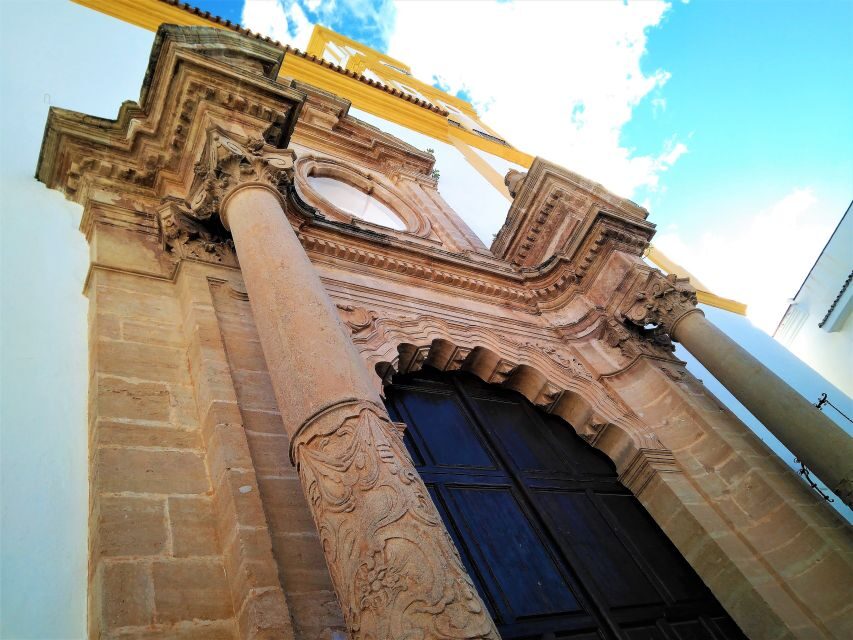
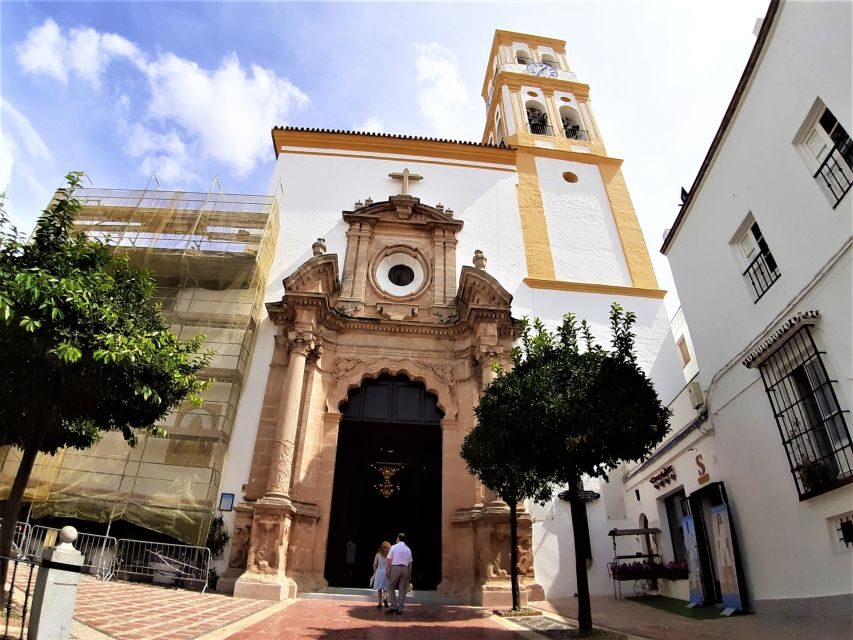
Religious heritage is a core theme on this route, and you’ll spend time around Marbella’s major church landmarks. If you like architecture, you’ll appreciate how the guide translates symbolism into something you can notice on the street—rather than making it sound like a quiz.
I’m particularly glad the tour doesn’t treat churches as isolated stops. Instead, they’re presented as part of the city’s identity: where people gathered, how power expressed itself, and how faith shaped daily life. That context makes the buildings feel less “random historic stop” and more like an operating system for the town.
One balancing note: entrance to monuments isn’t included. So you may see plenty from the outside and get explanations along the way, but you might not be going inside every site. If you want full interior viewing time, you can treat this as the orientation phase and then decide what to enter on your own.
Dalí’s Statues: When Marbella Gets Surreal (In a Good Way)
Then comes the fun twist: Salvador Dalí’s statues. This is where Marbella shows you it’s not stuck in only old-time seriousness. The surrealist element gives your brain a rest from the “centuries ago” mode.
I like having this change of pace in the middle or later part of a walking tour. It keeps attention sharp and makes the city feel current and playful. Even if you’re not a Dalí superfan, the guide helps you see why these statues belong in the story of Marbella.
Practical thought: don’t treat them as only a photo moment. Look around at how the statues sit among surrounding streets and buildings. That contrast is part of the point—the unexpected way modern art interacts with older urban space.






How the Guide Makes It Feel Like a Town, Not a Checklist
The guide is the secret ingredient here. You’re with a live local, and the experience runs in Spanish, English, French, German, and Italian. That matters because you’ll hear stories in a way that matches your language, and the guide can adapt pace and emphasis.
From the delivery style you can expect, it’s not a robot recitation. A good example is the guide’s ability to connect the sights to real everyday customs, plus practical food advice. Even with a short 90-minute format, you should leave with a better sense of what to try next and where to spend your time after the walk.
If your group includes mixed ages, this kind of guide-led flow works well. People may care about different details, but you’re still all following the same thread. The experience also supports private group options if you want control over pacing or if you’re traveling as a family unit.
What the 90 Minutes Really Gives You (And What It Doesn’t)
Ninety minutes sounds short, but it’s an efficient length for Marbella’s compact center. You’ll cover the main landmarks, hit the core themes—religious heritage, Moorish castle remnants, Castilian influence, and Orange Square—and you’ll still have time to continue exploring on your own right after.
Here’s what it does well:
- It gives you a mental map of Marbella’s “why,” not only the “what.”
- It sequences landmarks so earlier stops make later ones clearer.
- It creates enough momentum that you want to keep walking afterward.
Here’s what it doesn’t do:
- It isn’t a full interior-monument marathon. Entrance to monuments isn’t included.
- It won’t replace a longer, slow wander if you love museum-depth detail.
That said, for $29 per person, the value is about orientation plus expert storytelling. You’re paying for a local guide who helps you interpret the city fast. If you’re the kind of traveler who would otherwise wander without context, this price makes more sense. If you already know Marbella extremely well and mostly want self-directed time, you might feel it’s too structured.
Who This Walking Tour Fits Best
I think this tour works best for you if:
- You’re visiting for a short trip and want the city’s major themes quickly.
- You care about how places connect across eras—Moorish, Castilian, and modern cultural touches.
- You like walking tours with a person-led narrative, not just signage.
- You want a social group atmosphere with a live guide, but also appreciate the option for private groups.
It’s also a good choice if you’re traveling with family across generations. Reviews reflect that the walk can land for people who care about history and people who just want a fun, organized way to see the center without stress.
If you hate walking, this might be uncomfortable. You’ll want comfortable shoes, because the value here depends on moving between stops.
Price, Timing, and Group Practicalities You Should Know
At $29 per person for about 90 minutes, this is positioned as a “high usefulness per hour” activity. You’re not buying a long-day experience; you’re buying an expert lens for the central sights. That’s how I’d judge it: if you enjoy learning while walking and you plan to explore afterward, it’s a solid deal.
There’s also a minimum group requirement of four participants for the tour to operate. So if you’re traveling during a quieter stretch or you’re booking very last minute, double-check availability before you assume it’s guaranteed.
Should You Book This Marbella Sightseeing Walking Tour?
Yes, if you want a focused, guide-led introduction to Marbella’s old center—especially if you care about religious heritage, the Moorish castle remnants, and the city’s blend of eras. I’d book it as your first-day “get my bearings” plan, then go back later for extra time at the places that grabbed you most.
Skip it or pair it differently if you’re looking for lots of interior monument time, long stops, or a deep archaeological experience. In that case, use this for orientation and then plan a longer follow-up on your own.
If your goal is to leave Marbella understanding what you’re looking at—and not just snapping photos—this walk delivers.
FAQ
How long is the Marbella sightseeing walking tour?
It lasts about 90 minutes.
How much does the tour cost?
The price is $29 per person.
What languages is the live guide available in?
The guide is available in Spanish, English, French, German, and Italian.
Is entrance to monuments included?
No. Entrance to monuments is not included.
What should I bring for the walk?
Wear comfortable shoes and comfortable clothes.
Is the tour wheelchair accessible?
Yes, the tour is wheelchair accessible.