REVIEW · MARBELLA
Marbella: Private Walking Tour
Book on GetYourGuide →Operated by Tours in Malaga · Bookable on GetYourGuide
Marbella’s history starts with a fountain. I like that this private walk gives you two big anchors right away: the permanent bronze Dali statues and the Moorish castle and Arab walls that explain how Marbella grew. You’re not stuck with random photos. You’re learning what to look for while you’re walking.
One heads-up: the meeting point is specific. Meet your guide at the Rocío fountain inside Parque de la Alameda. If you arrive by taxi and get dropped at the wrong Alameda spot, it can take a few minutes to sort out where everyone is.
In This Review
- Key Highlights That Matter on the Ground
- Where You Start: Parque de la Alameda and the Rocío Fountain
- Marbella’s First “Green Spot” and the Dali Bronze Statues
- Orange Square and the Main Church: Small Streets, Big Identity
- Moorish Castle Remains and Arab Walls: What Survives and Why
- Town Hall Stops and Castilian-Era Landmarks
- Seaport and Marina Promenade: Coastal Marbella Without the Rush
- A Private Walking Tour You Can Actually Tailor
- Price and Value: $247 for a Group Up to 15
- What to Bring (So the 90 Minutes Feels Easy)
- Who This Tour Fits Best
- Should You Book This Marbella Private Walking Tour?
- FAQ
- FAQ
- Where does the tour start?
- How long is the Marbella private walking tour?
- What is the price?
- Is the tour private?
- Which languages are available?
- What’s included in the price?
- What’s not included?
- Will the tour run in bad weather?
- What should I bring?
- Is it wheelchair accessible?
Key Highlights That Matter on the Ground
- Permanent Dali bronze statues that turn a quick street stop into an art-history moment
- Moorish castle remains and Arab walls, explained in plain terms so the stones make sense
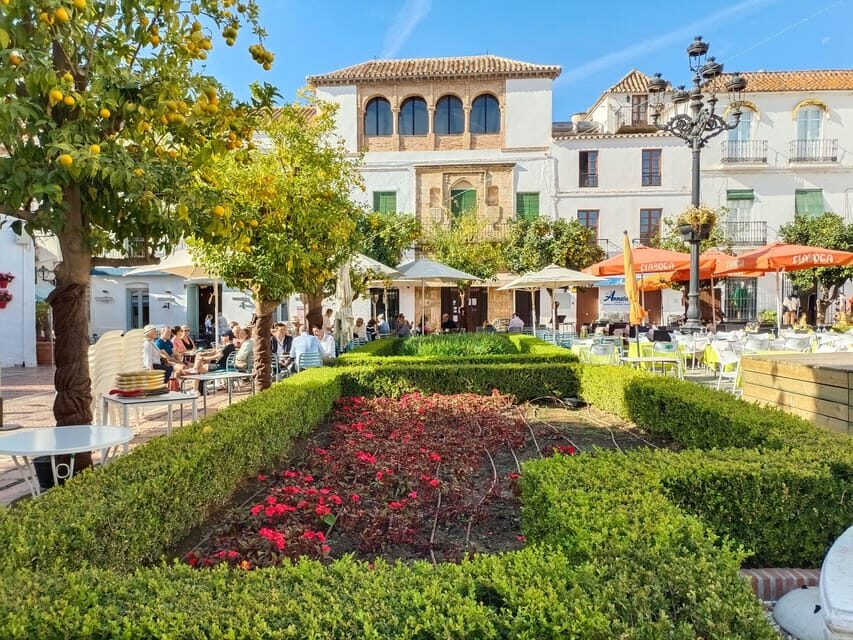
- Orange Square for classic old-town atmosphere, shops, and café stops
- Incarnation Church and its chapels/hermitages, with context for what you’re seeing
- Seaport and marina promenade so you balance old walls with sea views
- Private group format that lets you ask questions and steer the pace
Where You Start: Parque de la Alameda and the Rocío Fountain
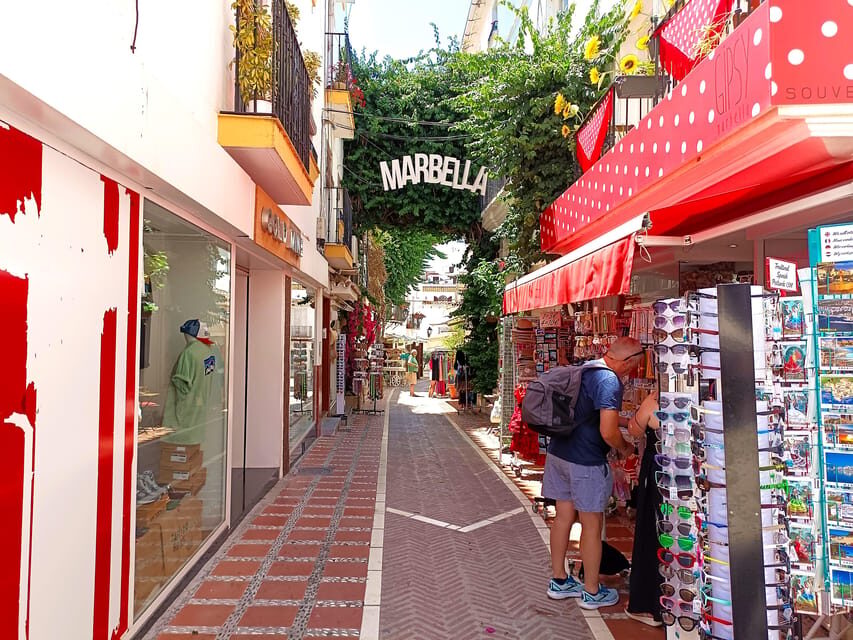
Your tour begins at Parque de la Alameda, in the park area around the Rocío fountain. This is a smart choice, because it gets you walking immediately without a bunch of preamble. It also helps if you’re arriving from the center of Marbella, since Alameda is easy to orient around.
You’ll want to keep one practical thing in mind: you’re on a timed, 1.5-hour experience. That means arriving a few minutes early is worth it. You don’t want to spend your limited walking time hunting for the correct fountain spot.
The tour is also planned to run rain or shine, so dress like you expect weather changes. Bring a hat and water even if the sky looks friendly.
You can also read our reviews of more walking tours in Marbella



Marbella’s First “Green Spot” and the Dali Bronze Statues
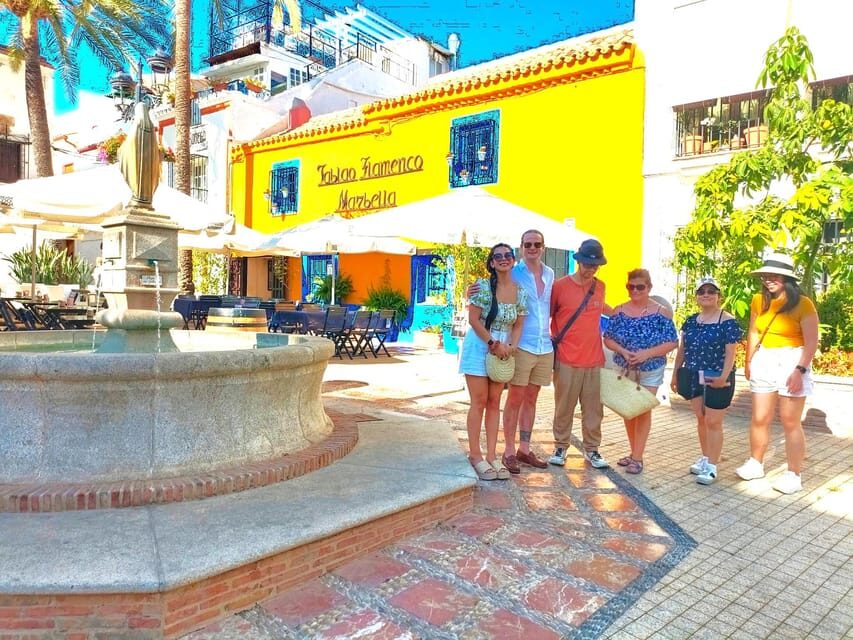
One of the first things you’ll notice on this walk is that early “green spot” feeling within the city—small, calming park time before you hit the tighter streets of the old town. That matters more than it sounds. It makes the walking easier, and it gives you a mental reset so you can focus on the details your guide points out.
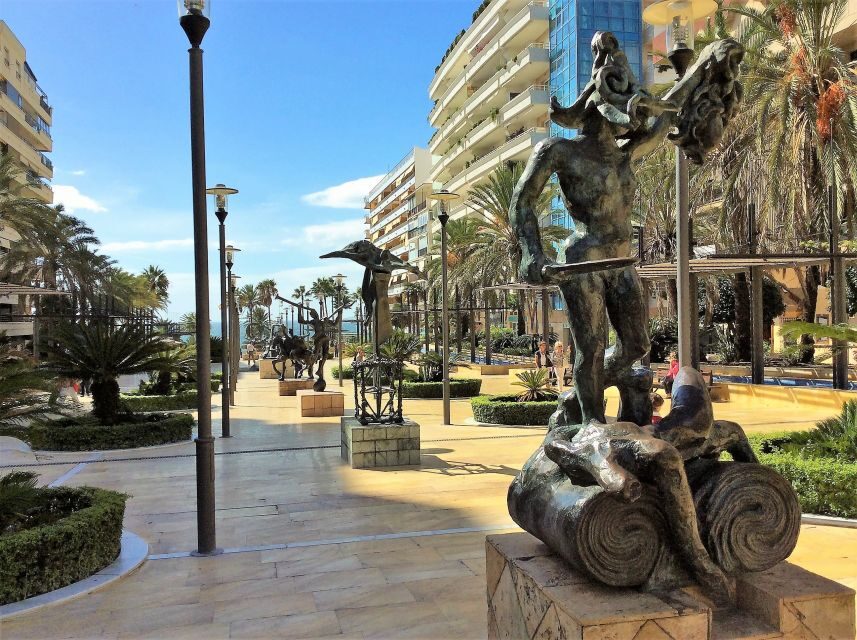
Then you hit a standout stop: the permanent exhibition of bronze statues by Salvador Dali. This isn’t just a quick roadside photo moment. The point of this stop is to show you how Marbella mixes art with everyday street life. If you like surrealism, you’ll get a kick out of how Dali’s style lands in a place that’s also shaped by Moorish and Castilian influence.
I like this kind of stop because it breaks the usual pattern of “church, plaza, church.” One minute you’re in an atmosphere shaped by centuries, the next you’re surrounded by bronze figures that feel like a different world.
Orange Square and the Main Church: Small Streets, Big Identity
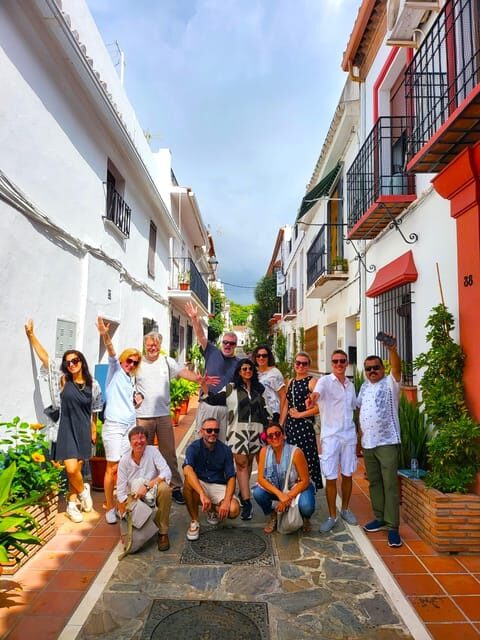
After the Dali statues, the tour shifts into the heart of old Marbella. You’ll spend time around Orange Square, which functions like a local hub—shops, cafés, and that central-places energy that makes it easy to see how the city lives day to day.
Orange Square is also useful for orientation. It’s a place where the streets flow outward, so you can start mapping the old-town layout in your head. When your guide explains what’s where and why, the square becomes more than a pretty stop—it becomes a reference point for the rest of the walk.
From there, you’ll visit the main church, specifically the Incarnation Church, and you’ll get context for the hermitages and chapels connected to it. Churches can be hard to appreciate if you only see the façade. With a guide, you learn what to notice: the way religious architecture connects to how Marbella organized itself over time.
If you enjoy architecture, this section is a good use of your 90 minutes. It gives you both the visual and the story so you don’t leave with only one generic impression.
Moorish Castle Remains and Arab Walls: What Survives and Why
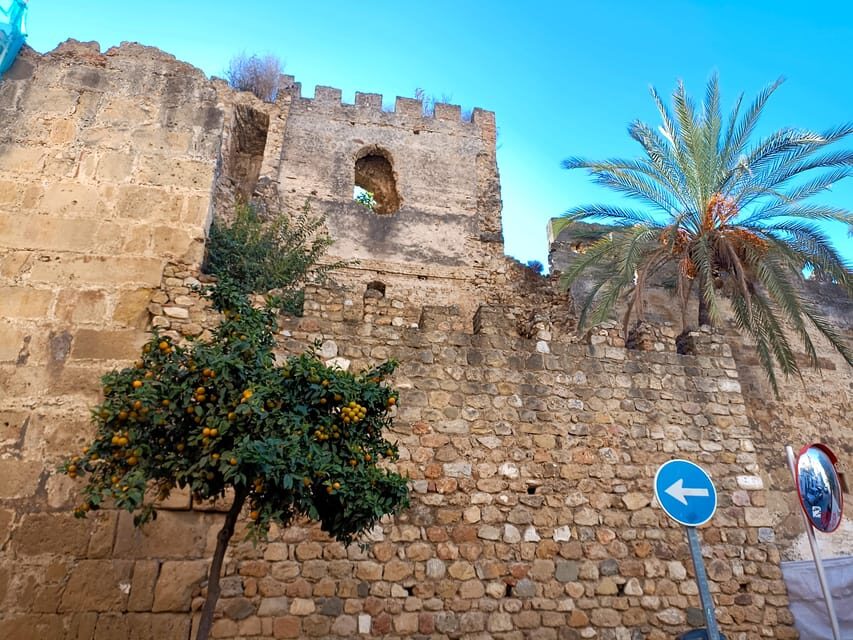
This is the part that I’d call the backbone of the tour. Marbella’s past didn’t all happen in the same era, and your guide will point out how Moorish castle remains and other Castilian buildings show the city’s layered timeline.
You’ll see remains tied to the Moorish period and other structures associated with later Castilian influence. The key is that your guide doesn’t treat them like isolated monuments. The goal is to help you understand how one era shaped what came next—so when you look at stonework and walls, you can connect the dots instead of just admiring them.
You’ll also learn to read the Arab walls as part of Marbella’s defensive and urban history, not just as something old you pass by. Once you know that, you’ll start noticing details in the walls and the way the city’s layout relates to where those walls once mattered.
I especially like this section for couples and history lovers because it turns “we saw a castle wall” into “we understood what it was for and how it changed.”
Town Hall Stops and Castilian-Era Landmarks
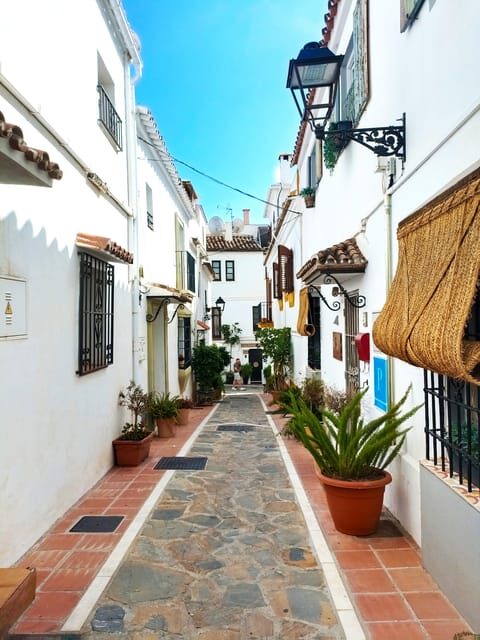
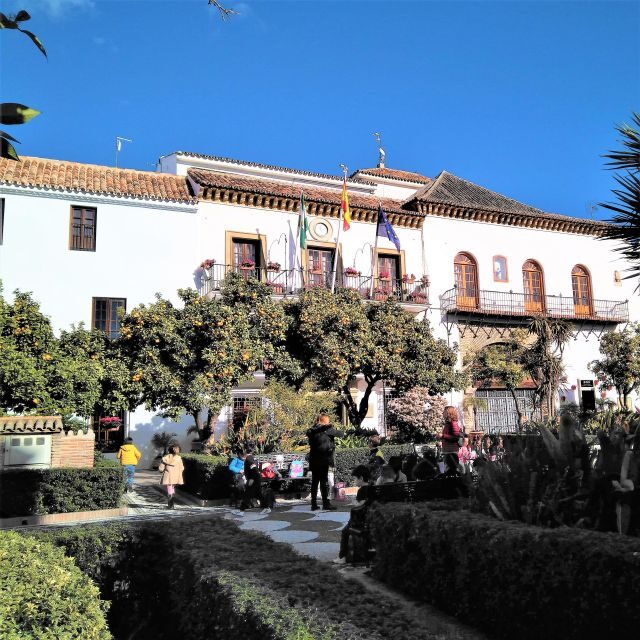
Along the way, the tour also touches several central landmarks that help fill out the story of Marbella beyond the old-town core. You’ll see spots like the Town Hall and other castilian-era markers that show how the city’s identity shifted as power and culture changed.
These pauses are valuable because they keep the tour balanced. If your walk focused only on religious sites and castle remains, you’d miss how day-to-day governance and public life fit into the same centuries. With these stops, your route feels like a real walk through a living city, not a checklist.
It also helps that the tour is private. You can ask follow-up questions if something catches your attention—like why certain buildings sit where they do, or how a Moorish-influenced city plan might have evolved.
You can also read our reviews of more private tours in Marbella




Seaport and Marina Promenade: Coastal Marbella Without the Rush
After the inland old-town pieces, the route heads toward the seaport and the marina promenade. This is where the tour balances out nicely. You get the sea air, the open lines of sight, and a different tempo from the tighter streets.
The marina section is a good final act because it helps you understand why Marbella became the Costa del Sol destination it is today. Even if your guide sticks to history, the coastline context makes the story feel more grounded. You’re seeing the city’s relationship to the water while also hearing how it grew.
If you enjoy photos, this part is practical. The promenade gives you angles that are hard to find when you’re stuck in backstreets. And because you’re walking with a guide, you can ask where the best views and angles are without wasting time experimenting.
A Private Walking Tour You Can Actually Tailor
This is a private group tour, designed for flexibility. That matters because Marbella can be approached in different ways: art-first (Dali), architecture-first (church and walls), or old-town-first (squares and civic landmarks).
Your guide encourages questions, and you can steer toward what you want most. That’s one reason the tour format works well even for short visits. Instead of hoping your free time hits the right mix of landmarks, your guide adjusts in real time.
The tour guide languages include English, French, Spanish, German, Russian, Portuguese, and Italian. So if you’re traveling as a multi-language group, you’re more likely to find a language that fits your crew.
Price and Value: $247 for a Group Up to 15
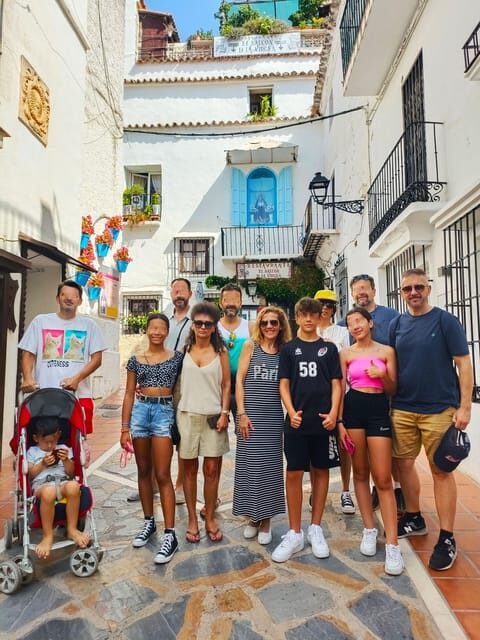
Let’s talk money plainly. The price is $247 per group for up to 15 people, with a 1.5-hour duration. For solo travelers, it’s not the cheapest way to see a few highlights. But for families, friend groups, or small groups, the per-person cost can become reasonable fast.
Here’s why I think the value is in the structure:
- You’re paying for a guide who connects stops into one coherent story.
- You get a private format, not a crowded shuffle with everyone trying to hear the same sound bite.
- The tour is designed for high-impact landmarks: Dali statues, Orange Square, Incarnation Church, Moorish remains, and the promenade.
If your time in Marbella is tight and you want a guided orientation plus specific highlights, the price starts to make more sense. If you’re the type who likes wandering with zero plan, you might feel it’s pricey for a short walk.
What to Bring (So the 90 Minutes Feels Easy)
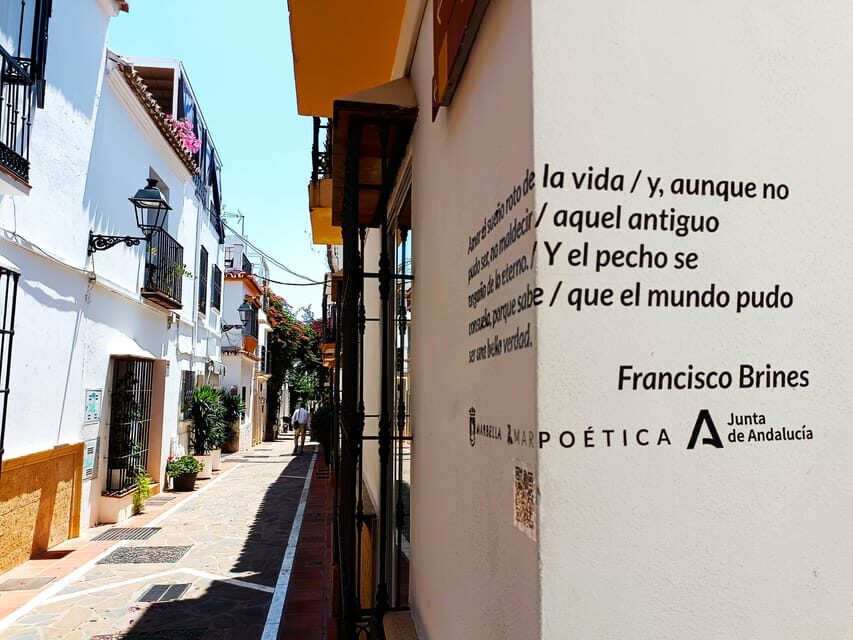
This tour is short, but it’s still walking. Pack for comfort, not perfection.
Bring:
- Comfortable shoes
- Hat
- Sunscreen
- Water
- Comfortable clothes
Also, plan for weather. The tour takes place rain or shine, so you’ll thank yourself if you have something that handles light drizzle or sun.
If you’re wearing heavy outfits or shoes that rub, you’ll notice it fast on a 1.5-hour city walk.
Who This Tour Fits Best
This tour is a great fit if you want:
- A tight introduction to Marbella’s old town and key landmarks
- Clear explanations connecting Moorish and Castilian periods
- A mix of art (Dali), architecture (church and walls), and sea views (marina promenade)
- A private guide you can ask questions to, without managing a big group
It’s also a smart option for first-timers on the Costa del Sol. Marbella can feel like a beach-town shortcut until you see how layered the streets really are.
Should You Book This Marbella Private Walking Tour?
If you like getting oriented quickly—and you enjoy learning why places look the way they do—then yes, I’d book it. The best reason is that the route isn’t random: it’s built around strong anchors like Dali bronze statues, Orange Square, the Incarnation Church, and the Moorish castle/Arab wall remnants.
Skip it if you:
- Only want a beach-and-promenade day with no history stops
- Prefer unguided wandering for your entire trip
- Are hoping for a long, all-day deep itinerary (this is 1.5 hours)
One last practical tip: confirm your meeting spot at the Rocío fountain in Parque de la Alameda before you head out. It’s a small detail, but it can save you stress—especially if you’re using a taxi.
FAQ
FAQ
Where does the tour start?
Meet your guide at the Rocío fountain located inside Parque de la Alameda.
How long is the Marbella private walking tour?
The duration is 1.5 hours.
What is the price?
It’s $247 per group (up to 15 people).
Is the tour private?
Yes, it’s a private group experience.
Which languages are available?
English, French, Spanish, German, Russian, Portuguese, and Italian.
What’s included in the price?
A tour guide is included.
What’s not included?
Food and drinks are not included, and there is no hotel pickup or drop-off.
Will the tour run in bad weather?
Yes, it takes place rain or shine.
What should I bring?
Comfortable shoes, a hat, sunscreen, water, and comfortable clothes.
Is it wheelchair accessible?
Yes, the tour is wheelchair accessible.