REVIEW · MALAGA
Walk through the old Malaga medina
Book on Viator →Operated by Memorias de Málaga · Bookable on Viator
Malaga’s past hides in its street corners. In 1 hour 45 minutes, you’ll trace the 11th–15th century reconquest from the Muslim perspective and learn what made the old medina tick. I love how the story is told through real city spaces and daily-life details, and I also love how guides keep it clear and paced so you can actually follow the threads.
Do note this is a panoramic walk, so you won’t enter monuments or go inside major sites. If you want interior views and ticketed monument time, this works best as a smart “set the context first” experience.
In This Review
- Key things I’d circle before you go
- Old Malaga Medina Walk: what you’ll actually experience
- The walking approach (and why it matters)
- Meeting at Plaza de la Marina and finishing at Atarazanas
- How the timing helps
- Plan for it to be a true walking tour
- The reconquest story from the Muslim perspective (11th–15th centuries)
- What the guide actually does with the story
- Seeing Malaga’s “famous spots” in a new order
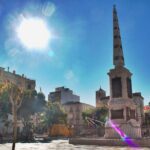
- Constitution Square and the layers behind it
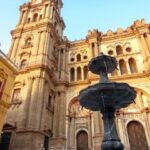
- The cathedral area and the earlier mosque connection
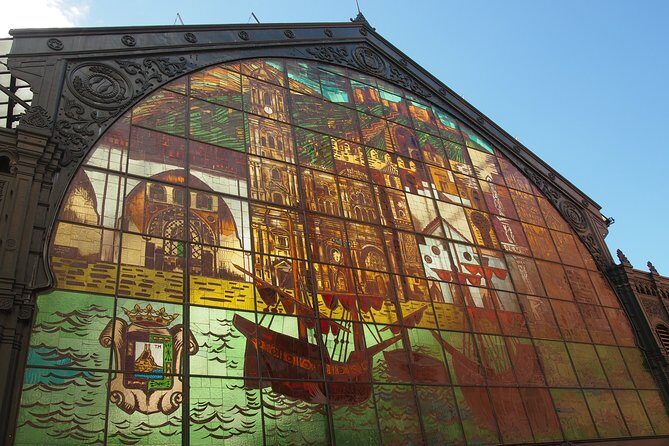
- Atarazanas as more than a market stop
- Mercado de Atarazanas: the shipyard story that sticks
- Why ending here is smart
- Customs, words, and city “intricacies” you can use
- Learning that changes the way you look
- Pace, group size, and weather: how to plan your 4 pm slot
- Weather matters
- Families and sensitive pacing
- Price and value: is $15.04 for 1h45 a good deal?
- Who should book this walk, and who should pair it with something else?
- Should you book this Malaga medina walk?
- FAQ
- FAQ
- What is the duration of the walk?
- How much does it cost?
- Where does the tour start and end?
- Is it a panoramic tour or do we enter monuments?
- What time does the tour begin?
- How big is the group?
- What happens if weather is poor?
- Are service animals allowed?
Key things I’d circle before you go
- Muslim point of view on the reconquest: not just who won, but how people lived and understood power shifts.
- Old medina secrets on city streets: you learn the logic of ancient Malaqa through neighborhoods and landmarks.
- Official accredited local guiding: the explanations are historically careful, and the tone stays friendly (Esther is a standout name).
- Atarazanas and the shipyard angle: the walk connects the old shipyard world to what you see around Mercado Central de Atarazanas.
- Small group size: up to 15 people means you’re not swallowed by a crowd while questions and slower pacing happen.
- You don’t have to be a history buff: customs, words, and city intricacies help you understand what you’re looking at.
Old Malaga Medina Walk: what you’ll actually experience
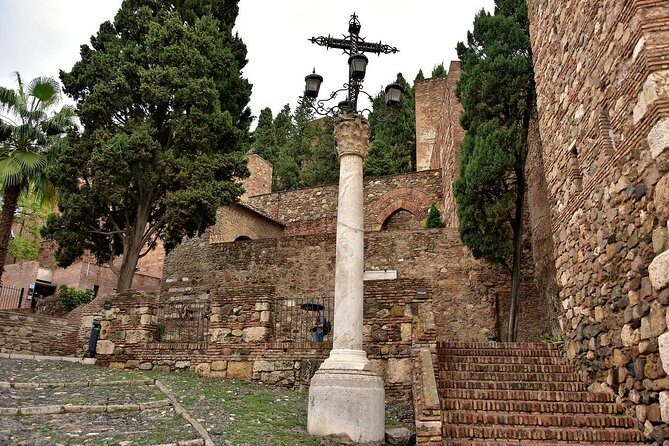
This is a guided walk through central Malaga that focuses on the Muslim era—roughly the 11th to 15th centuries—and how the reconquest unfolded from that side of the story. Instead of trying to cover everything, you get a route that helps you see the city differently: streets and places start to feel like parts of an older map.
What makes it especially useful is the angle. Most visitors hear one version of history tied to the “big” landmarks, then move on. Here, you learn how the city’s main enclaves fit together and why people organized life the way they did.
It’s also practical. It lasts about 1 hour 45 minutes, runs in the late afternoon (start time 4:00 pm), and finishes near Mercado Central de Atarazanas. And because it’s panoramic, you can plan it without worrying about interior entrances taking over your day.
You can also read our reviews of more tours and experiences in Malaga.



The walking approach (and why it matters)
Because you don’t enter monuments, you’re free to focus on connections. You’ll hear how famous places can be interpreted differently when you understand what came before—especially in a city shaped by successive layers of culture.
For me, the value is clarity. You end with a mental framework you can keep using while you explore on your own—whether that’s spotting references in street life, recognizing why certain areas were important, or understanding the city as a series of transitions.
Meeting at Plaza de la Marina and finishing at Atarazanas
The walk starts at the Tourist Office at Pl. de la Marina, 11 in Distrito Centro. Ending point is Mercado Central de Atarazanas, C. Atarazanas, 10, also in the center.
That “start here, finish there” setup is handy for planning. You’re not walking in circles to get back to the same spot. You’ll also finish in a lively area where it’s easy to grab a drink or keep exploring after the guide drops you off.
How the timing helps
A 4:00 pm start is a sweet spot for a medina-style story walk. It’s late enough that you’re not rushed by the earlier day crowds in every area, and it’s early enough to still enjoy the rest of the evening afterward.
And because the group is capped at 15 people, you’re more likely to get a conversation instead of a lecture you can’t breathe through.
Plan for it to be a true walking tour
This is still a stroll through the historic center. Keep it simple: comfortable shoes and a small water plan. The route is only about 1h45, but old-city streets don’t ask if you’re ready.



The reconquest story from the Muslim perspective (11th–15th centuries)
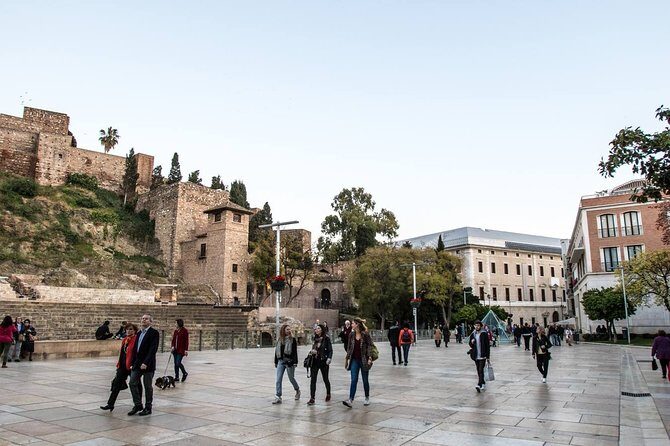
The heart of this experience is historical viewpoint. You learn the true history of the reconquest from the Muslim perspective, with the timeline anchored between the 11th and 15th centuries. That shift changes the whole tone of what you see.
Instead of treating the Muslim period as a prelude to the “real” European story, you’re guided to understand it as a living world—one with its own political realities, city routines, and cultural logic. It also connects to the Nasrid reign of Granada, described here as a major reference point for what kind of jewel Malaga belonged to in that broader context.
What the guide actually does with the story
You’re not only hearing about events. You also hear how that world showed up in the city: customs, words, and the intricacies of the urban system. That’s what helps you connect history to the street you’re standing on.
Guides also keep the pace readable. One reason people love the tour is that the explanation stays rigorous but friendly—exactly the mix you want when you’re walking and trying to follow details at the same time.
And yes, a guide named Esther comes up repeatedly: strong historical knowledge, a warm style, and the ability to adapt when families need a gentler tempo. One highlight from past guests is how she adjusted well when traveling with a baby, which is a big deal if your day can’t run on adult-only speed.
Seeing Malaga’s “famous spots” in a new order
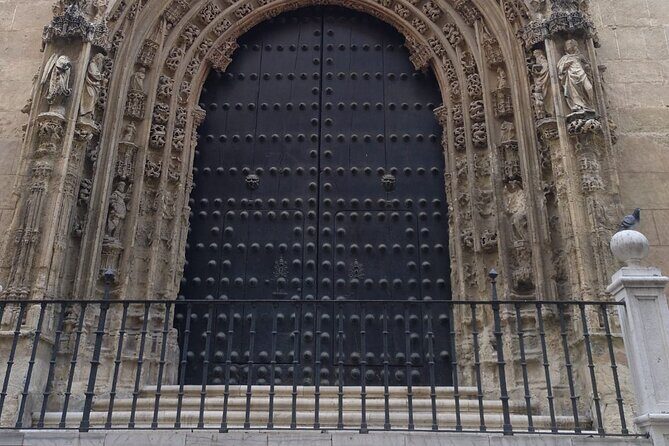
Even if you already know the headlines about Malaga—places like Constitution Square, the cathedral area, and the Atarazanas shipyard/market zone—this walk reshuffles how you interpret them.
The experience is built around a key idea: the traditional explanation of famous areas often tells only part of the story. Here, you’ll hear a different vision that ties those same landmarks to the earlier Muslim city structure—so your eyes start working differently.
Constitution Square and the layers behind it
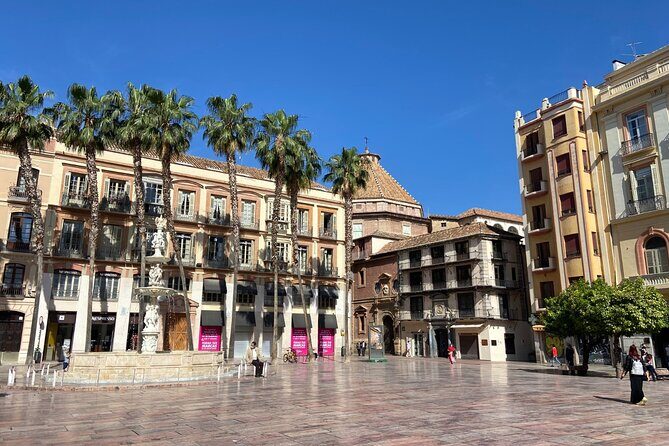
You won’t just hear that the Muslim era existed. You’ll connect the idea of the Constitution Square area to the earlier Muslim-era context described as a main square of that period.
That kind of context is powerful because it changes what you think you’re looking at. A visitor who just arrives for the postcard version can miss how the “center” of a city changes shape over time.
The cathedral area and the earlier mosque connection
The walk also references the cathedral area as connected to the earlier mosque of Malaga. You’re not entering monuments on this tour, so treat this as a way to get historical orientation.
Afterward, you’ll likely look at the same area and understand it as a conversion of purpose and sacred space, not just a switch in architecture.
Atarazanas as more than a market stop
Atarazanas shows up in a way that goes beyond modern shopping and eating. You’ll learn it as the city’s old shipyard—then you’ll end near the market area where that old function is still remembered in the name and in the story you’ve been given.
Mercado de Atarazanas: the shipyard story that sticks
If you like tours that end where the “story lives,” this one delivers. You finish at Mercado Central de Atarazanas, and the walk builds toward it with the shipyard background in mind.
Historically, a shipyard isn’t just industry. It’s a hub: people, materials, shipping routes, and the kind of city energy that shapes neighborhoods. When you understand Atarazanas through that lens, the market area becomes less random and more meaningful.
Why ending here is smart
Ending at a central food-and-market zone makes the tour feel complete. You’re not dropped off somewhere remote after an hour of history talk. Instead, you close with a place that naturally fits your “walk-and-learn” mindset.
Also, because it’s a panoramic experience, you’re not waiting for timed entries or navigating monument lines. You can transition straight into evening plans.
Customs, words, and city “intricacies” you can use
One of the best parts of this kind of guided walk is that it doesn’t stop at stone and dates. You’ll hear about Muslim society through customs and words, plus the city’s “intricacies”—the practical stuff that makes a place feel real.
Even if you don’t memorize vocabulary, the effect is that you start recognizing patterns. You begin to understand how social life and city design support each other: where people gather, how spaces connect, and why certain areas matter.
Learning that changes the way you look
I like experiences that give you interpretive tools, because you can keep using them after the tour ends. After you’ve heard how the medina functioned, you’ll likely notice signage, street flow, and neighborhood transitions in a more connected way.
And because this is an accredited local guide, you can ask follow-up questions in the moment. That’s especially helpful if something sparks curiosity while you’re walking.
Pace, group size, and weather: how to plan your 4 pm slot
This walk is designed for most travelers and keeps a manageable size: maximum 15 travelers. That helps you stay in the story instead of fighting for attention in a big crowd.
The duration is also tight enough to work on a full day: about 1 hour 45 minutes. If you’re the type who gets museum-fatigue, this pacing can feel refreshingly human.
Weather matters
The experience requires good weather. If it gets canceled due to poor weather, you’ll be offered another date or a full refund. So check the forecast the day of.
Families and sensitive pacing
One standout detail from guest experiences is that the guide can adapt pace when needed. If you’re traveling with a baby, that flexibility is a real plus, not a luxury.
And service animals are allowed, so this is one of the friendlier formats for mixed needs—since you’re walking in streets rather than managing rigid monument rules.
Price and value: is $15.04 for 1h45 a good deal?
At $15.04 per person for about 1 hour 45 minutes, this is good value if you want understanding, not entry fees. You’re paying for:
- an official, accredited local guide
- a route focused on Muslim-era history through city spaces
- panoramic narration (so you don’t spend your time inside monuments)
The fact that it doesn’t include monument entry can be a downside if you planned an all-in-one “Alcazaba day.” But it’s also why the experience is affordable and easy to slot into your itinerary.
If your goal is to walk away with a new mental map—one that makes Malaga’s center feel layered rather than random—then the cost matches what you’re getting.
Who should book this walk, and who should pair it with something else?
This is ideal if you:
- want the Muslim-era story told in a coherent way
- enjoy walking tours where the guide helps you read the city
- like history explanations that connect to daily life (customs, words, city structure)
- want a manageable group size and a friendly pace
You might want to pair it with monument visits if you:
- specifically want to go inside major sites or explore interiors in depth
- prefer views from atop major fortifications or large-ticket attractions
For many people, this works beautifully as a first step. Get the medina lens, then return later to places you already plan to visit with better context.
Should you book this Malaga medina walk?
Yes, if you’re looking for a street-level history experience that gives you a different lens on Malaga’s famous center. The reconquest framing from the Muslim perspective, the focus on the old medina’s logic, and the strong guide style (with Esther showing up as a clear favorite name) make it a smart use of an afternoon.
Book it especially if you’re the type who hates feeling lost in a historic city. This tour helps you connect the dots so you can walk away with understanding, not just photos.
FAQ
FAQ
What is the duration of the walk?
It lasts about 1 hour 45 minutes.
How much does it cost?
The price is $15.04 per person.
Where does the tour start and end?
It starts at Tourist Office Pl. de la Marina, 11, and ends at Mercado Central de Atarazanas, C. Atarazanas, 10.
Is it a panoramic tour or do we enter monuments?
It’s panoramic, so you do not enter monuments.
What time does the tour begin?
The start time listed is 4:00 pm.
How big is the group?
The maximum group size is 15 travelers.
What happens if weather is poor?
The experience requires good weather. If it’s canceled due to poor weather, you’ll be offered a different date or a full refund.
Are service animals allowed?
Yes, service animals are allowed.