REVIEW · MALAGA
OLIVE OIL & WINE TOUR Organic fields – 5 Wines + 3Olive Oils
Book on GetYourGuide →Operated by White Houses Tours · Bookable on GetYourGuide
Organic olives beat museum wine. That is the vibe here: you go north of Málaga into 100% organic, pesticide-free fields, then step inside a working cooperative to see how grapes become wine and olives become oil. I love the fact that this isn’t built around photo stops, it’s built around how real food is made, and I also love the tasting finale with 5 wines and 3 olive oils matched with snacks and tapas. One consideration: you’ll walk for about 40 minutes on uneven farm paths, so comfy shoes matter and this is not the tour for a lazy sit-and-sip afternoon.
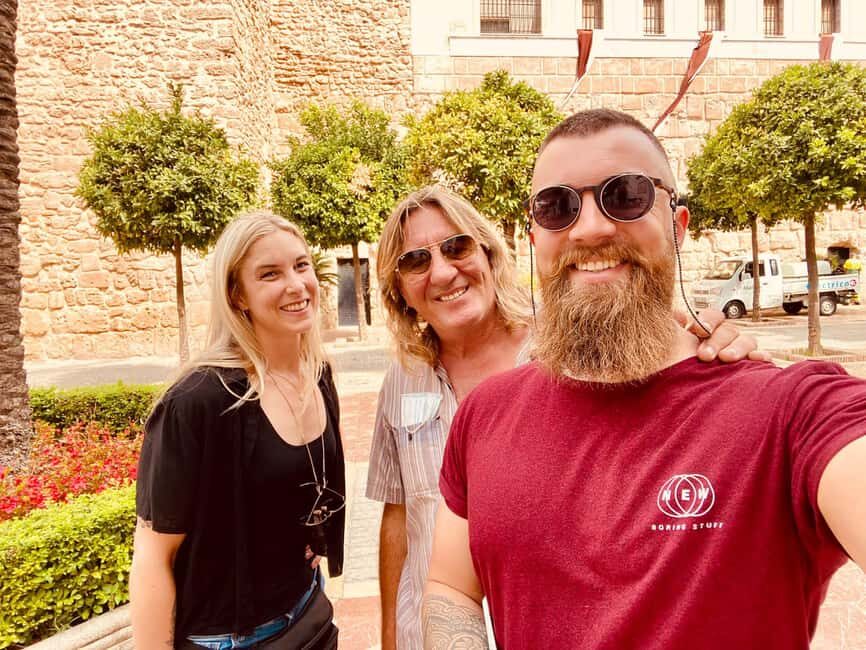
This is run by White Houses Tours, and the day-to-day energy is calm and practical, not staged. The van pick-up is in Málaga at Plaza de la Marina, and the group stays small, with a maximum of 15 people overall and a tight van size (up to 8) on the ride out. In the best-case version of the day, you’ll get a guide like Beatrice—she’s the type who connects what you’re seeing in the fields to what ends up in your glass.
In This Review
- Key Highlights You’ll Actually Care About
- Why This Tour Feels More Like Real Andalusian Life
- Málaga Pickup: The Easy Start That Sets the Tone
- Walking the 100% Organic Fields Near Mollina
- The Working Cooperative: Where Grapes and Olives Become Products
- The Hangar Tasting: 5 Wines, 3 Olive Oils, and Oak Aging
- Tapas Plus Snacks: Turning a Tastings Into a Real Meal
- The Value Math: $108 for Transport, Tastings, and Tapas
- Who This Tour Is Best For (And Who Might Want Something Else)
- My Practical Tips Before You Go
- Should You Book This Olive Oil & Wine Tour?
Key Highlights You’ll Actually Care About
- Málaga pickup at Plaza de la Marina with a quick van ride north, so you don’t waste time getting to the countryside
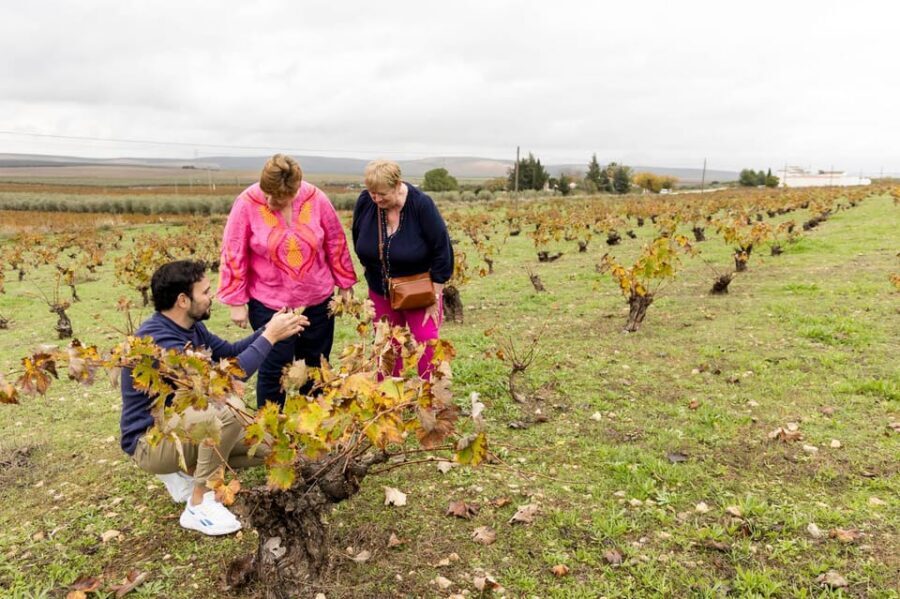
- 100% organic, pesticide-free fields with centuries-old vineyards and olive trees to explain the basics of cultivation
- A working cooperative where fruit becomes table olives, then wine and oil, without big-tour theatrics
- Guided tasting of 5 wines + 3 olive oils in a hangar with oak barrels aging the wine
- A proper food spread: tortilla, almonds, chorizo, cheese, loin, potato chips, plus olives made there
- A feel-good add-on: your booking supports the Olivares Foundation in Málaga, bringing happiness to children
Why This Tour Feels More Like Real Andalusian Life
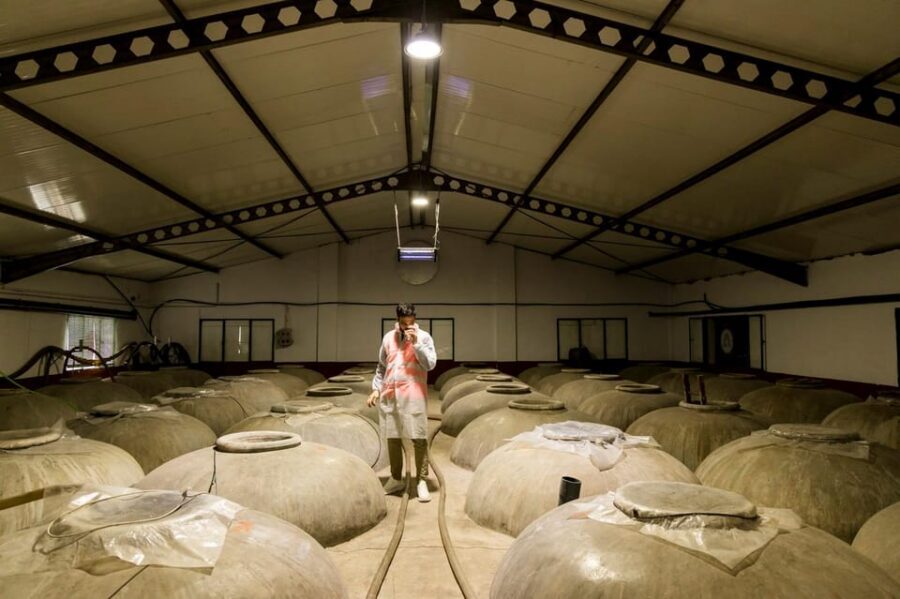
This is one of those rare food tours that starts in the ground, not in a tasting room. You’re north of Málaga in farmland that aims to stay clean and chemical-free, then you watch production happen in the same place where the fruit is processed.
I also like that it’s honestly focused. You’re not being marched past a shopping list of souvenirs. Instead, the day keeps circling back to one question: how do they make wine and olive oil the way they do?
The payoff is big at the end. You don’t just taste. You taste with context, because you’ve already seen vineyards, olive trees, and the process spaces where everything gets turned into a product you can buy.
You can also read our reviews of more wine tours in Malaga

Málaga Pickup: The Easy Start That Sets the Tone
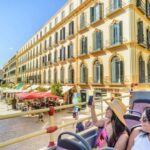
You meet in the center of Málaga at Plaza de la Marina, just near the main door of the tourist information kiosk. The guide will be there about ten minutes early with the tour logo folder, which sounds small, but it helps you get the day rolling without stress.
Then it’s into the van heading north. Plan on roughly 50 minutes of transport. This matters because it signals what kind of tour you’re getting: half a day in the countryside, not half a day on quick city stops.
The group stays small. The experience is capped at a maximum of 15 participants, and the van run is described as a maximum of 8—so you’re more likely to get personal questions answered rather than shout over a loud bus.
Walking the 100% Organic Fields Near Mollina
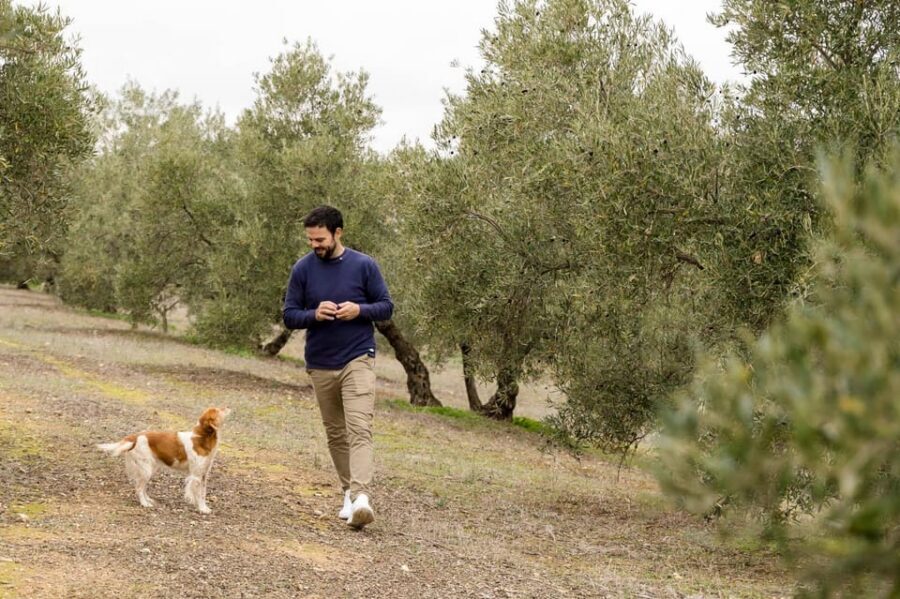
Your first stop is in the province of Málaga, near a town called Mollina (about 5,000 inhabitants). This is the area described as untouched by tourism, and you’ll feel it when you step off the road and into the orchard-and-vine rhythm.
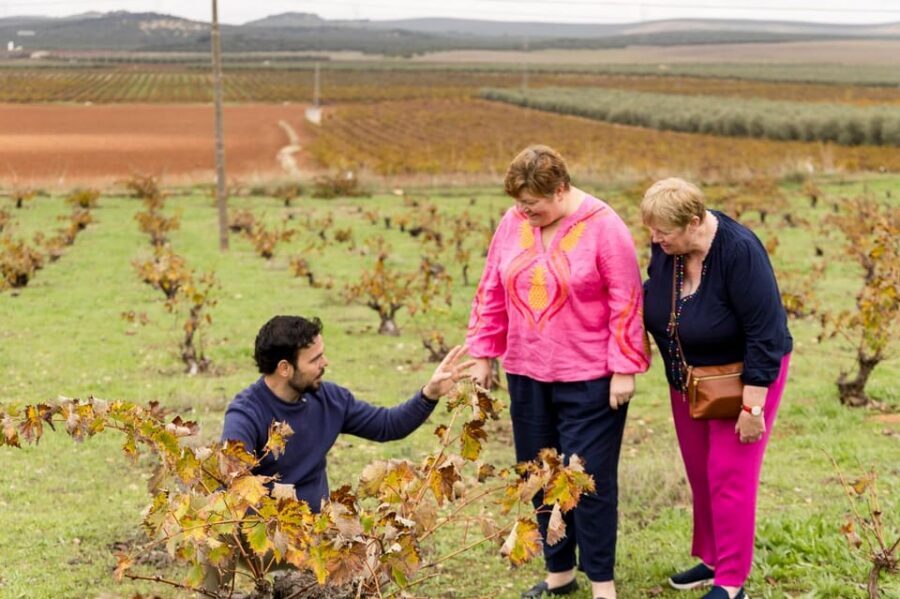
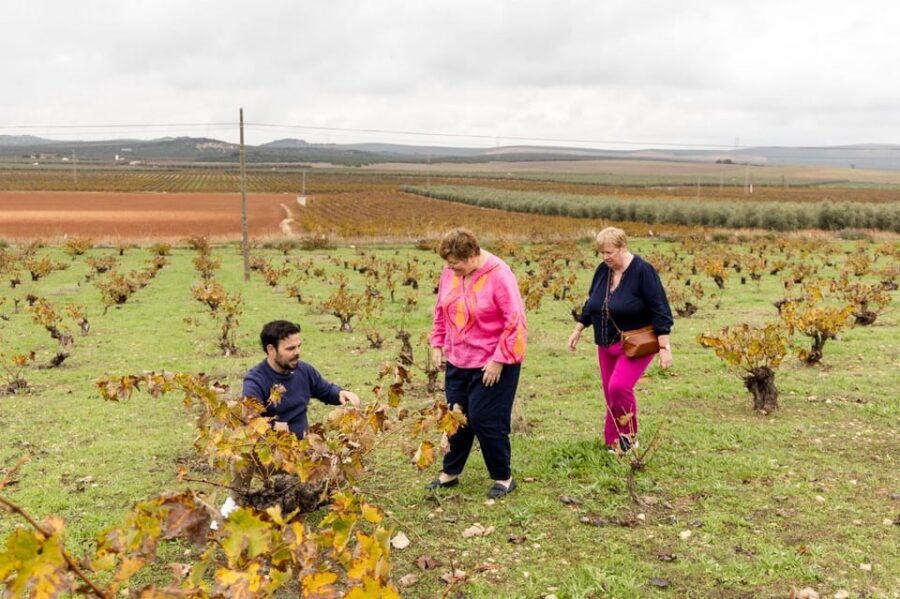
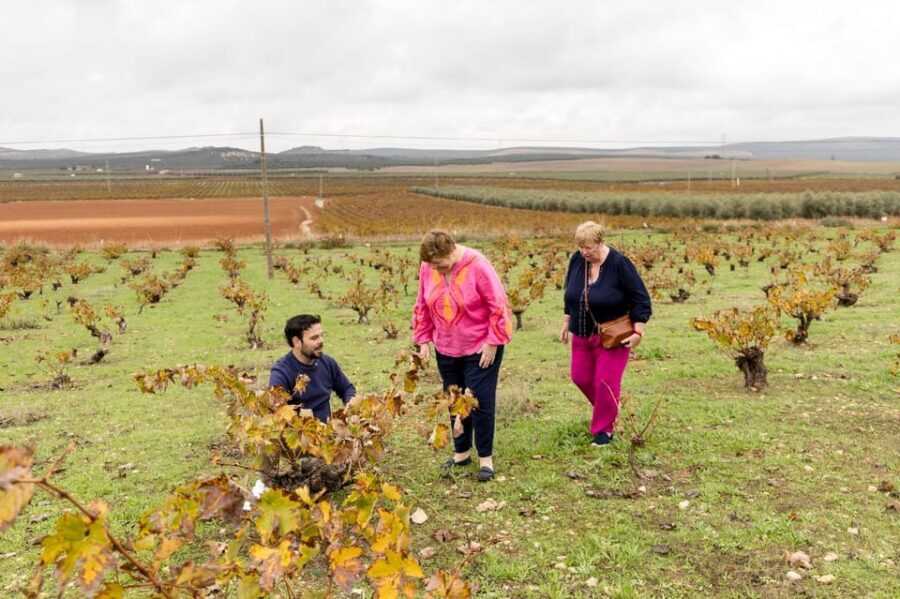
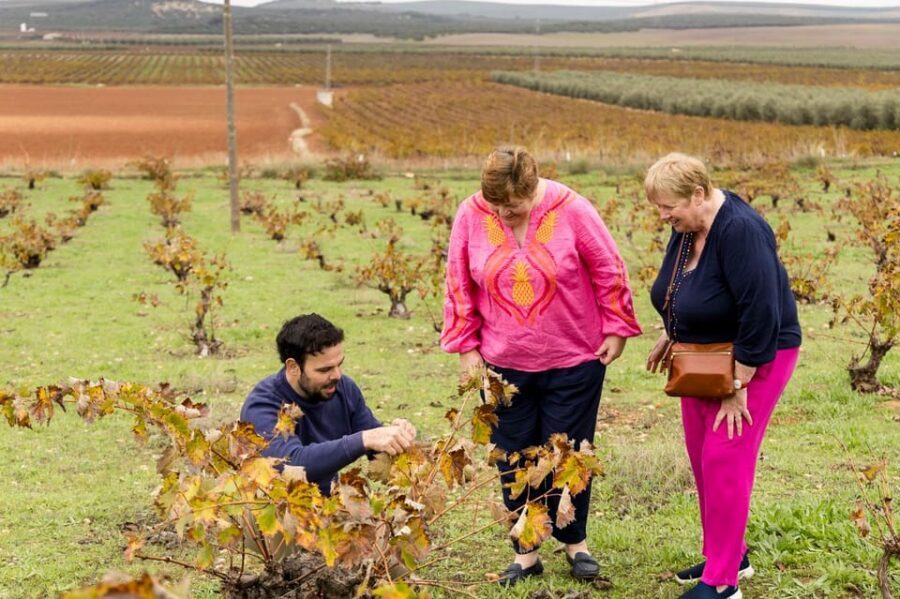
You take a 45-minute stroll through 100% organic, pesticide-free fields. Expect vineyards and almond trees alongside olive groves. The tour notes include olives over 250 years old and centuries-old vines, which means you’re not just looking at rows—you’re looking at long-term cultivation.
Here is what I think this part does best for you: it turns olive oil and wine from an abstract product into an agriculture story. You get to connect cultivation choices with what eventually becomes flavor.
One practical note: it’s a walk, around 40 minutes mentioned in the field segment. Bring decent shoes and be ready for farm ground. You’re not climbing mountains, but you are walking outside where the surface is real.
The Working Cooperative: Where Grapes and Olives Become Products
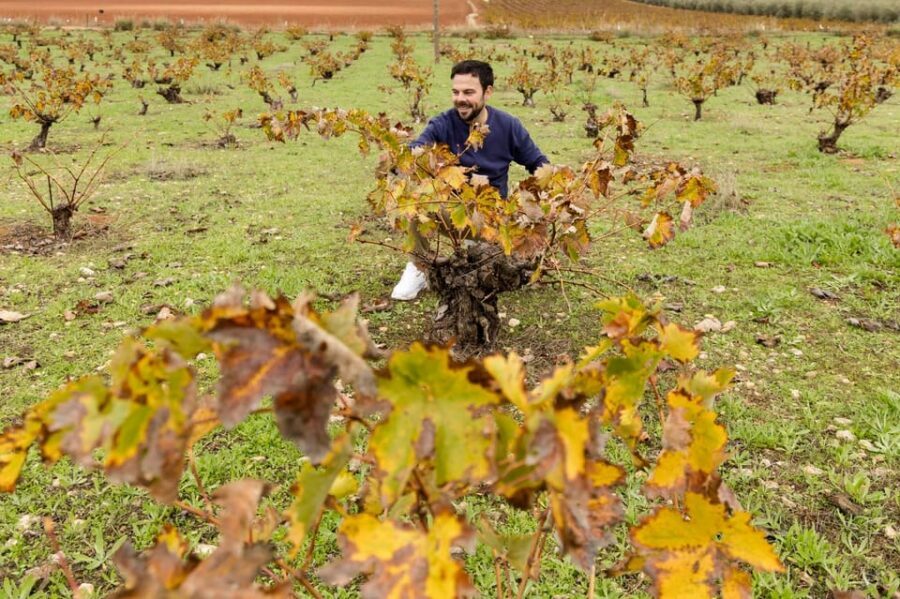
After the walk, there’s a short drive—just about 5 minutes—to the cooperative where the fruit gets processed organically and naturally. This is where the day shifts from fields to factory, but in the most human way possible.
You walk through different sections to understand how grapes become wine and olives become oil. There’s also mention of table olives for snacks, so you’ll likely catch the process before the final product stage, not just the final tasting.
Why this matters for your day: a cooperative is usually a real production system, not a museum set. You’ll understand why certain steps happen, even if you’re not a fermentation expert.
And the tour strongly emphasizes a moment of wow here. The feeling is that the group gets genuinely surprised by how the process fits together—from the fruit coming in to the aging and final outputs.
The Hangar Tasting: 5 Wines, 3 Olive Oils, and Oak Aging
The finale happens in a hangar where wine ages in oak barrels. This is a great setting for tasting because it cues your senses. You’re not sipping in a polished room; you’re tasting where the wine is actually maturing.
You get a guided tasting of 5 wines and 3 olive oils. The tour also includes snack olives produced there, so you’re eating and tasting in layers rather than doing it all in one single course.
A helpful way to think about the tasting: start with the olive oils as a baseline for fruitiness and structure, then use the wines to compare how acidity, aroma, and body behave differently in the glass. Even if you don’t memorize varietals, you can still learn what to look for.
I’d also pay attention to how your guide links what you saw outdoors to what you’re tasting now. A guide like Beatrice stands out because she connects the dots clearly—what the vines and olive trees do over time, and how that shows up in flavor.





Tapas Plus Snacks: Turning a Tastings Into a Real Meal
This tour isn’t stingy with food. Alongside the tastings, you get a generous spread of tapas: tortilla, almonds, chorizo, cheese, loin, potato chips—and those olives from the cooperative.
This is not just an add-on. It changes how you experience the flavors. Olive oil tastes different with bread, cheese, and cured meats. Wine changes when you shift between salty and fatty foods.
You also get extra snack options described as olives produced there, which keeps the tasting from feeling like a formal classroom session. It feels more like a meal with education.
Keep in mind this is a long-ish food block. The main visit/tasting section is listed at about 2 hours, so you’ll want to pace yourself. Sip, taste, eat, and reset between rounds.
The Value Math: $108 for Transport, Tastings, and Tapas
At $108 per person, this tour is priced as a full experience, not a quick add-on. You get free transport from Málaga and back—about 5.5 hours total duration—plus water, a structured tastings set (5 wines + 3 olive oils), and plenty of tapas.
Here’s the value logic I’d use when deciding: when a tour includes transport and multiple tastings plus a real food spread, you’re paying less for logistics and more for the actual experience. And because it’s capped at small group size, you’re less likely to lose quality in a big crowd.
Also, the tour notes that every booking supports the Olivares Foundation in Málaga, bringing happiness to children. That kind of contribution doesn’t replace your enjoyment, but it does add meaning to a day that is already rooted in real local production.
Who This Tour Is Best For (And Who Might Want Something Else)
Book this if you want an Andalusia food day with real context: organic fields, a working cooperative, and a hangar tasting that feels connected to the land.
You’ll especially enjoy it if:
- you like olive oil and want to understand how it goes from orchard to oil
- you’re curious about wine production beyond just tasting
- you prefer small groups and guided explanations you can actually hear
You might skip it if:
- you hate walking or want zero time on your feet
- you prefer sightseeing-heavy days with long urban stops
- you’re looking for a purely luxury tasting with no farm-to-co-op step (this one is production-focused)
My Practical Tips Before You Go
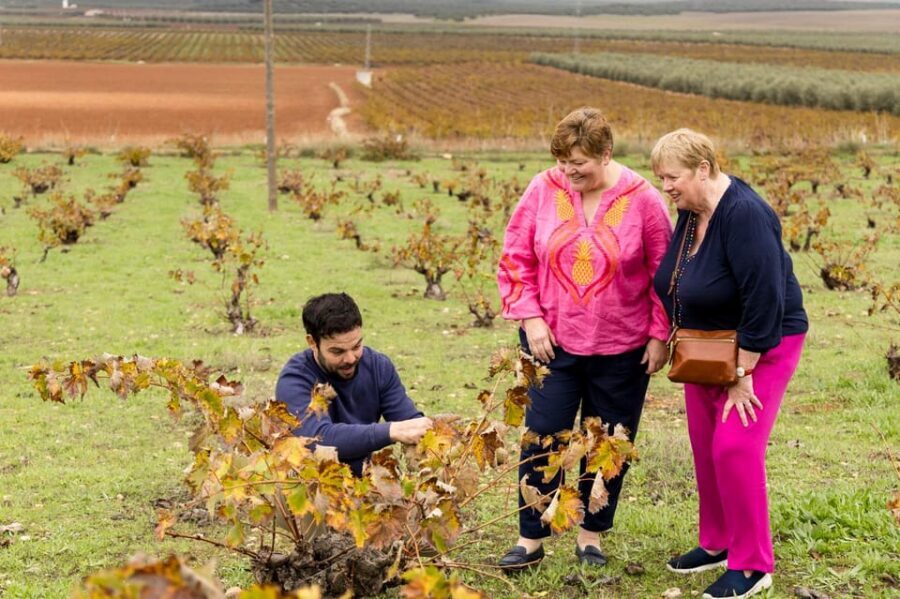
Wear shoes you’d be comfortable in for an outdoor walk. You’re spending time in organic fields and then moving through production spaces.
Plan for a food-and-drink schedule. It’s not just sips; it includes tapas, snacks, and tastings grouped into a few main segments.
If you want to get more out of the tasting, take a moment between each wine or oil to note what changed for you: aroma first, then taste, then finish. Your brain learns faster when you keep it simple.
And if you’re the type who asks questions, do it during the cooperative walk. That’s where the explanations make the biggest difference.
Should You Book This Olive Oil & Wine Tour?
I think you should book it if you want the most practical kind of food tourism: see the agriculture, watch the production, then taste what comes out—while eating very well along the way. The small-group size, the organic field focus, and the guided tasting of 5 wines and 3 olive oils make it feel like more than a standard tasting session.
Skip it if you want a relaxed day with minimal walking or you’d rather spend your half-day in Málaga than heading into the countryside.
If you do book, aim to arrive a few minutes early at Plaza de la Marina. Once the van leaves, the day moves quickly, and it’s a good idea to start it un-rushed.