REVIEW · MALAGA
Birding Costa del Sol Day tour
Book on Viator →Operated by G3 Guides · Bookable on Viator
Birding here means habitats changing every hour. This private English-language Costa del Sol day tour strings together five strong birding stops, from marine protected coastline to mountain terrain. I especially like two things: the habitat variety that keeps the species list moving, and the way the guide can work with your interests so you get more than just sightings.
You’ll get a full day at a sensible pace for a bird-focused outing—roughly 8 hours—with pickup in the Malaga/Marbella area. One possible drawback is simple: this experience requires good weather, so if conditions are poor you may be offered another date or a full refund.
In This Review
- Key highlights at a glance
- Birding Costa del Sol: why this route works for species variety
- Punta de Calaburras and Cabo Pino: coastal birding that changes with season
- Playa Guadalhorce and the Guadalhorce Estuary: waders, waterfowl, and serious wetland energy
- The Rio Grande near Malaga: riparian forest for birds that like cover
- Mirador de Juanar and El Juanar: timing for raptors and views over Costa del Sol and Africa
- Parque Nacional Sierra de Las Nieves area: a reservoir and stream-fed habitat boost
- Pickup, private group size, and value of the $433.72 price
- How to prepare so you spot more, not just look
- Who this birding day suits best
- Should you book Birding Costa del Sol Day tour?
- FAQ
- How long is the Birding Costa del Sol day tour?
- How much does the tour cost?
- Is the tour private or shared?
- Is pickup available?
- What language is the tour offered in?
- What are the main stops during the day?
- Are admission tickets included?
- When will I get confirmation after booking?
- What is the cancellation policy?
- What happens if the weather is poor?
Key highlights at a glance
- Private group of up to 4 with a guide who can tailor your route and focus
- Marine protected coastline at Punta de Calaburras for winter and migration season birding
- Guadalhorce Estuary at Playa Guadalhorce, a top wetland stop with waterfowl and waders
- Riparian forest along the Rio Grande near Malaga for different bird behavior and cover
- El Juanar / Mirador de Juanar for birds of prey timing and sea-and-Africa views
- Sierra de Las Nieves area with a reservoir and stream-fed habitat that adds more species potential
Birding Costa del Sol: why this route works for species variety
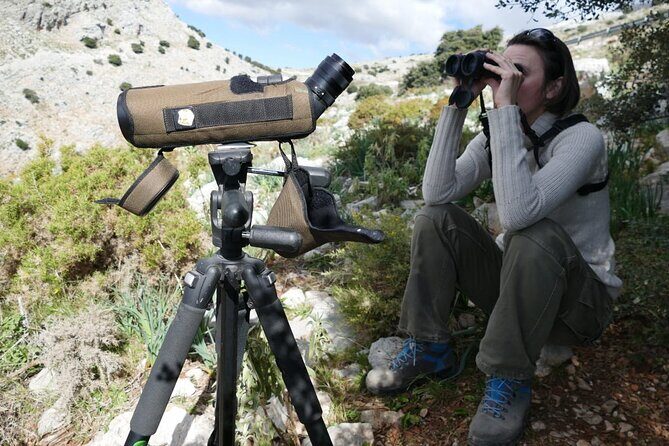
The real win with this kind of bird day in southern Spain is simple: birds don’t all show up in one place. You need shoreline, wetland, river edge, and then something higher up. This tour does that for you in a straight shot across the region, so you’re not stuck repeating the same scenery and the same kinds of birds all day.
You’ll also find that the guide’s approach matters as much as the stops. One of the named guides, Florent, is known for being more than a bird spotter—he connects birds to the broader living world, including insects and plants. That helps you read the environment faster. When you understand what’s going on in the habitat, your eyes pick up details sooner, and you’ll spend less time wondering and more time identifying.
The day is built around several points that are described as particularly strong depending on season. Coastal areas are often most productive in winter and migration windows. Wetlands tend to deliver waterfowl and waders when conditions line up. Higher viewpoints can help for raptors when timing is right and the light is decent.
You can also read our reviews of more tours and experiences in Malaga.


Punta de Calaburras and Cabo Pino: coastal birding that changes with season
Your first stop is Punta de Calaburras, with time around Cabo Pino and near the Calaburras lighthouse. This is part of a marine protected area, which is exactly the kind of place you want for coastal birds: more stable habitat and less disturbance.
What I like about starting here is that it sets the tone. Coastal birding often means quick payoffs—moving silhouettes, feeding activity along shorelines, and birds that show up in waves depending on wind and timing. The tour notes that it’s especially abundant in winter and during migration season, so if you’re traveling in those months, you’re much more likely to feel like you’re “in it” right away.
How to think about this stop: you’re not just looking at birds sitting still. You’re scanning shorelines and thinking about movement. Watch for how birds use the edge between sea and land. If you’re the kind of birder who likes life-list momentum, coastal stops at the start can feel like a win because they often deliver a first set of easy-to-place species.
Possible downside: coastal weather can be tricky—wind and sun glare happen. If you’re sensitive to heat, you may want to plan for shade where possible and keep layers light.
Playa Guadalhorce and the Guadalhorce Estuary: waders, waterfowl, and serious wetland energy
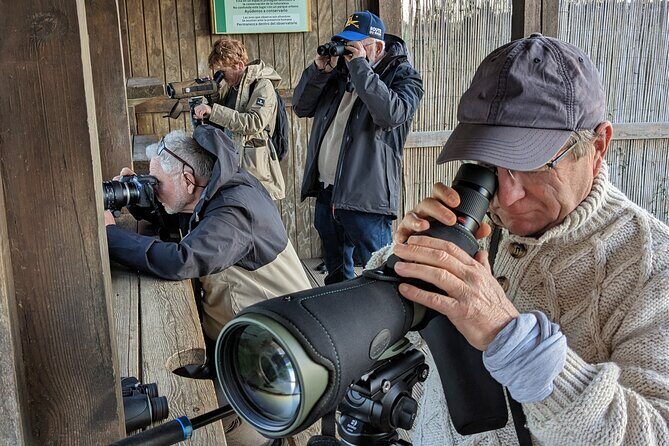
Then you move to the Playa Guadalhorce area and the Guadalhorce Estuary, which is treated as a must-do wetland stop. The reason is straightforward: Andalusia has wetlands, but this one is described as among the most attractive, and it’s consistently tied to strong bird watching.
This is where you should expect waterfowl and waders. The tour also frames it as a place where experienced birdwatchers can spot a long list—on the best days, up to a hundred species in a small reserve. Even if you don’t hit that number, the important point is habitat focus: estuaries concentrate food and shelter, so different bird groups overlap in one working area.
Here’s how to make the most of your time at the estuary:
- Look for feeding zones rather than only for birds on open water.
- Be patient with waders. They can be spread out, and identification often depends on small details.
- Let the guide’s rhythm steer you. A good guide knows when to scan broadly and when to narrow in.
Why this stop is valuable even for beginners: wetlands teach you bird behavior fast. You’ll see how birds move as the waterline changes, how they pause to feed, and how they react to distant disturbance. That learning sticks, and it makes later stops easier because you’ll be better at reading what you’re seeing.
The Rio Grande near Malaga: riparian forest for birds that like cover
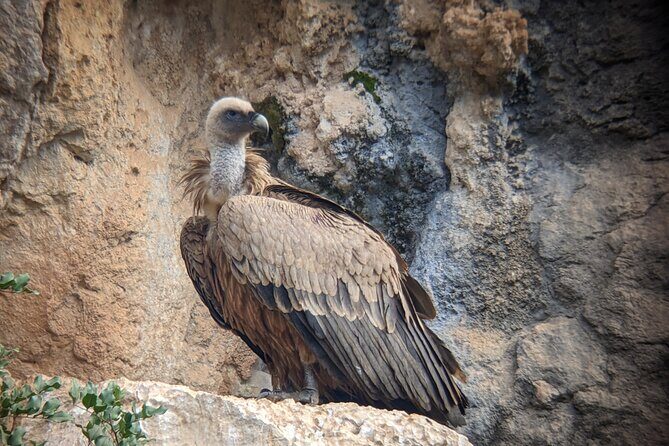
After the estuary, the tour shifts to a long circuit through the Rio Grande area, described as another interesting place with riparian forest. This matters because river-edge habitat behaves differently from saltwater wetlands. Here, birds often use trees, reeds, and the edge between dense cover and open water.
This is the kind of stop that can be quieter in feel, but smarter in bird variety. Riparian zones often hold species that are harder to spot in open country. You might find birds that stay hidden until a moment of movement gives them away.
I like this kind of transition stop because it breaks up the day. You’re not only chasing loud, obvious feeding flocks. You’re learning how to find birds in more complex cover. If you’re traveling with a camera, this is also a better setting for thoughtful, steady observation rather than constant scanning for far-off silhouettes.
The trade-off: you may spend more time watching behavior than “getting the trophy sighting.” If that’s your style, you’ll enjoy it.
Mirador de Juanar and El Juanar: timing for raptors and views over Costa del Sol and Africa
Next is Mirador de Juanar, tied to El Juanar, a white limestone mountain with wide views over the Costa del Sol and Africa. That view line is more than a postcard moment. Higher ground and open sightlines are often helpful for birds of prey, and the tour specifically says the timing should be good for raptors.
The guide’s job here is especially important: raptors are about movement and patience. You’re scanning for glides, wing angles, and hunting patterns. If the light and wind are right, raptors can show up in ways that make the whole mountain stop feel like it “snaps into focus.”
One practical comfort detail is mentioned too. On hot days, the pine forest offers a little protection from the heat. That matters on the Costa del Sol, where “a short day” can still feel long if you’re exposed. With birds, heat can also affect bird activity, so shade helps you keep your attention and energy steady.
What you should expect at this stage: a mix of wide searching and shorter, focused looks. If you’re the kind of birder who likes to understand habitat and not just check off names, limestone terrain and Mediterranean pines give you lots to connect bird behavior to.

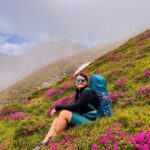
Parque Nacional Sierra de Las Nieves area: a reservoir and stream-fed habitat boost
The final birding stretch heads to the Parque Nacional Sierra De Las Nieves area. The tour describes a small Mediterranean reservoir and stream that flow from nearby Sierra de Las Nieves National Park. That description hints at why this stop can add something different: water in a Mediterranean setting pulls birds from the surrounding cover.
Reservoir and stream habitat can function like a mini wetland, but it’s embedded in a different vegetation rhythm. That often means different species expectations compared with the earlier estuary and river-edge sections. Even if the bird list overlaps, you can still get variation because the habitat structure changes.
Why I like this ending: it rounds out the day. Earlier stops covered coastal, estuary, and riparian zones. This stop adds another water source connected to a protected, more biodiverse nearby park. It’s a strong way to finish because you’re likely to be alert by then—and the day’s structure encourages you to keep spotting patterns.
Potential downside: late-day fatigue can hit you here because you’re on the move again. If you want your best focus for this stop, build in water breaks and give yourself a minute before you start scanning again.
Pickup, private group size, and value of the $433.72 price
Let’s talk money, because birding costs add up fast. Here, the price is listed as $433.72 per group, up to 4, for roughly 8 hours. That changes the math compared with per-person tours. If you can share with friends or family, your “cost per birding hour” drops quickly, and you’re buying a guide who can actually steer the day.
The tour also includes pickup, and the meeting point is flexible depending on your group. That’s a real comfort on the Costa del Sol, where traffic and parking can steal time. It’s not just convenience; saved time means more time scanning.
You’ll also get a mobile ticket, and you’re booked as a private tour/activity, meaning only your group participates. A private setup is ideal for birding because:
- You can stop when you see something.
- You don’t have to keep pace with people who aren’t watching.
- The guide can shift attention to what you want, including birds you’re trying to add to your list.
One review mention that’s worth taking seriously: Florent’s guidance was described as friendly and deeply knowledgable not only about birds but also insects and plants. That kind of grounding helps you identify faster and understand what you’re seeing, which is where the value really shows up—not just in counting species.
How to prepare so you spot more, not just look
This tour is heavily observation-based, so the best preparation is about staying ready to scan and identify. Since the experience requires good weather, it helps to dress for sun and mild temperature swings. Bring layers you can shed or add. Wear shoes you can comfortably stand and walk in during multiple short stops.
If you have binoculars, bring them. If you don’t, ask about what’s typically expected when you book, but don’t assume anything not stated. The guide’s expertise will do a lot, yet your own viewing tools often make identification easier on the fly.
Also, think about your goal before you go. Are you chasing raptors? Waders? Coastal seabirds? If you can share that on day one, you’ll get more out of the tailoring described for this operator’s guides.
Finally, give yourself mental space for “learning mode.” A good guide will point out why a bird is where it is—food, cover, migration timing—so you’ll leave with more than a list.
Who this birding day suits best
This tour fits you best if you want:
- A full day of structured birding across coast, wetland, river edge, and higher terrain
- A private experience with attention that can shift to your interests
- A guide who connects birds to the wider living system, not just names
It’s also a strong fit for intermediate birders who enjoy building a list. The wetland stop in particular is positioned as a place where the right day can deliver serious numbers.
If you’re someone who wants only relaxed sightseeing with minimal walking, this might feel like a more active day than you expect, because the route packs multiple habitats into a single 8-hour outing. The upside is that the day is designed to keep you engaged and moving with purpose.
Should you book Birding Costa del Sol Day tour?
Book it if you want one guide-led day that actually covers what birds care about: water, cover, and open air space for scanning raptors. The route makes sense, the group setup is intimate, and the guide approach—highlighted by the example of Florent—leans into learning, not just spotting.
Skip it or consider another option if weather is iffy on your dates. Since the experience requires good weather, you may have to shift plans if conditions don’t cooperate. Also, if you dislike early starts, long drives between habitats, or standing around to scan, you might find the format less comfortable.
If you’re flexible and you like the idea of turning southern Spain into a full-species day, this is a smart bet.
FAQ
How long is the Birding Costa del Sol day tour?
The tour lasts about 8 hours.
How much does the tour cost?
It is priced at $433.72 per group (up to 4).
Is the tour private or shared?
It is a private tour/activity, with only your group participating.
Is pickup available?
Yes, pickup is offered. The meeting point is flexible depending on your group.
What language is the tour offered in?
The tour is offered in English.
What are the main stops during the day?
You’ll visit Punta de Calaburras, Playa Guadalhorce (Guadalhorce Estuary), an area near Malaga at Rio Grande, Mirador de Juanar (El Juanar), and the Parque Nacional Sierra de Las Nieves area.
Are admission tickets included?
Admission tickets are listed as free for each stop.
When will I get confirmation after booking?
Confirmation is received within 48 hours of booking, subject to availability.
What is the cancellation policy?
You can cancel for a full refund if you cancel at least 24 hours before the experience’s start time. If you cancel less than 24 hours before, the amount paid is not refunded.
What happens if the weather is poor?
Because the experience requires good weather, if it’s canceled due to poor weather you’ll be offered a different date or a full refund.