REVIEW · MARBELLA
Marbella Old Town group tour with a True Local
Book on Viator →Operated by Tour Marbella · Bookable on Viator
Old Town Marbella tells its story on foot. This 90-minute group walk takes you past plazas and landmarks that explain how different civilizations shaped the town, ending in the heart of the Old Town.
I love that it includes a practical mix of free-entry sights and a finish with the very Andalusian olive oil tasting. I also like that the pace is short enough to help you orient yourself fast, so you can enjoy the rest of your day on your own.
One thing to consider: it’s an outdoor walking tour and it needs good weather, plus the streets can feel tight and busy at street level since you’re moving through the Old Town on foot.
In This Review
- Key highlights to look for
- Entering Old Town Marbella on a 90-minute route
- Price and logistics: why $30.23 can feel like good value
- Meet in the Old Town shade, then get your bearings fast
- The Paseo Marítimo moment and Avenida del Mar’s Dali art
- Capilla de San Juan de Dios: the quiet detail people miss
- Hospital Bazán and the free National Engraving Museum option
- Plaza Altamirano: a square with a commander’s palace story
- Torre de la Polvora: medieval walls you can still read
- Plaza de los Naranjos: where Moorish streets became Castilian style
- D’Oliva olive oil tasting: what you’re actually paying for
- What the group tour feels like in real life
- Who this Marbella Old Town tour is best for
- Should you book this Marbella Old Town tour?
- FAQ
- How long is the Marbella Old Town walking tour?
- What does it cost?
- Is the tour offered in English?
- How many people are in the group?
- What’s included in the price?
- Are any entrances free during the tour?
- Is there transportation included?
- What if the weather is bad?
- Where does the tour start and end?
Key highlights to look for
- A focused 1.5-hour Old Town circuit that’s long enough to matter, but short enough to keep your day flexible
- Moorish-to-Castilian history in real places, not just general facts
- Multiple stops with free admission, including the chance to enter Hospital Bazán if it’s open
- D’Oliva extra virgin olive oil tasting included (3 to 6 oils), when the shop is operating
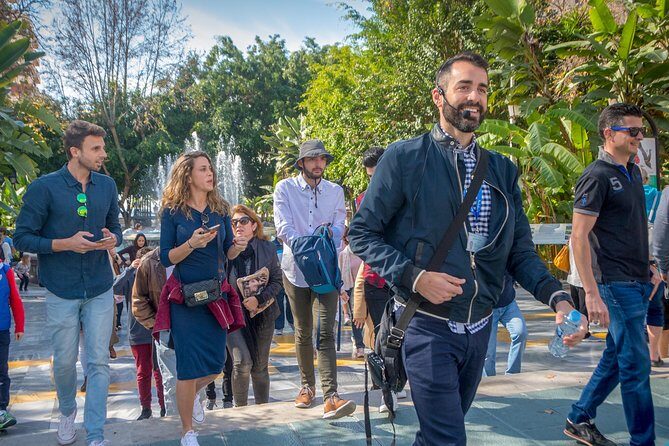
- A guided experience designed for listening clearly, with an audio option reported by many guests
- A great ending point at Plaza de los Naranjos, surrounded by cafes and shaded by an orange grove
Entering Old Town Marbella on a 90-minute route
If you’re basing yourself on the Costa del Sol, it’s easy to think Marbella is mostly beaches and shiny promenades. This tour is built to show you the other Marbella: the town that grew up around plazas, churches, and defensive walls.
The route is compact. You’re walking, but it’s not a long hike. Think of it as a curated loop with time at the important stops, so the history sticks. You also get an easy starting point to meet the group in Old Town, and the tour finishes right where you’ll want to linger afterward.
This is also one of those tours that works well on a first day. If you do it early, you’ll start recognizing the shape of the streets and you’ll know which corners are worth revisiting later.
You can also read our reviews of more tours and experiences in Marbella.



Price and logistics: why $30.23 can feel like good value
At about $30.23 per person for roughly 1.5 hours, the value comes from the structure. You’re paying for a local licensed guide and a plan that strings together several major Old Town points, many of which have free admission.
On top of that, the olive oil tasting at D’Oliva is included in the price. You’re not just getting a photo stop and a “good luck” explanation. You’re getting an actual food moment tied to the region.
A couple of practical notes that matter: it’s a group tour with a maximum of 20 people, and it’s offered in English. That small ceiling helps the guide keep control of the timing, especially in narrow streets where one slow group can ripple through everything.
Meet in the Old Town shade, then get your bearings fast
The tour starts in a local gathering area in Old Town, described as the kind of spot where people meet for events or simply sit in the shade. That first move matters more than it sounds. You’re not starting with a random landmark. You’re starting where the neighborhood rhythm happens.
From there, you head into the pedestrian heart of Marbella. The early minutes are designed to orient you: what’s close together, what’s just off the main traffic, and how the town’s layouts show up in real life. Even if you’ve already walked around a bit, this helps you connect the dots between plazas, churches, and the coastal promenade.
If you’re someone who likes to plan your day in blocks, this tour is easy to slot in. After 90 minutes, you can keep exploring with confidence rather than wandering and guessing.
The Paseo Marítimo moment and Avenida del Mar’s Dali art

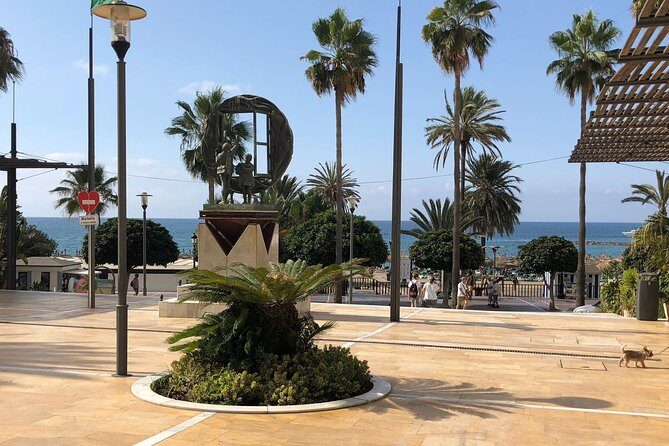
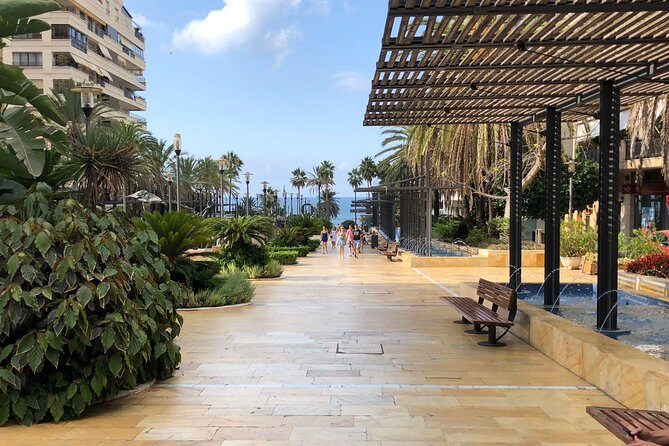
One of the route highlights is the shift from inland Old Town history to the coastal promenade feel. You’ll reach Paseo Marítimo after walking through Avenida del Mar, where you can spot Salvador Dalí sculptures.
This stop is short, but it’s a useful contrast. Marbella isn’t only the old walls and churches. It also has a long relationship with people gathering outside by the sea—bars, restaurants, and the lively promenade atmosphere that defines modern Marbella.
Why I think this matters: it helps you understand why Old Town tourism exists at all. The town’s appeal isn’t a single theme. It’s layers. By starting with the sea-side context, you’re better prepared to notice how the rest of the route connects back to daily life and local pride.
Capilla de San Juan de Dios: the quiet detail people miss
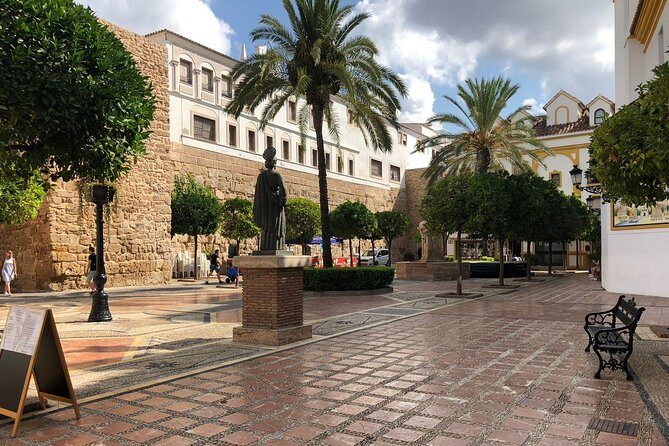
The Capilla de San Juan de Dios is a XVI century chapel, and what makes it special on this walk is the ceiling woodwork that’s still there.
Many walking tours rush past churches with a generic explanation. This one gives the kind of attention that helps you appreciate a specific craft detail. You’re not only seeing a building; you’re learning what to look at while you’re there.
A practical consideration: chapels can vary in how much natural light you get inside. If you like seeing woodwork clearly, bring your phone flashlight or plan to look from different angles as you stand.
This stop is also a reminder that Marbella’s old-town identity isn’t only Moorish-era street layouts and forts. It includes later religious architecture and the design choices that came with them.






Hospital Bazán and the free National Engraving Museum option
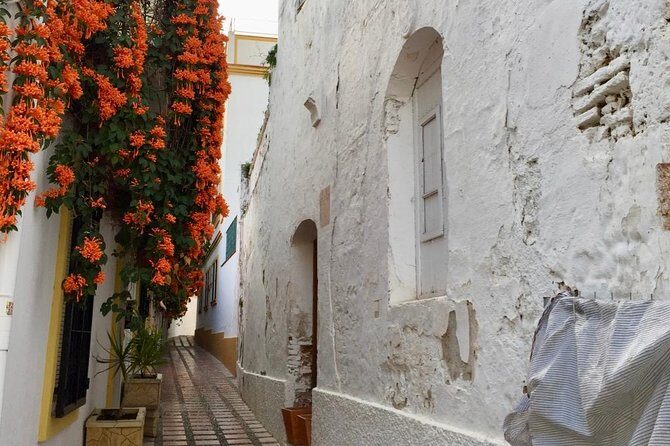
Next comes a historic space in Old Town: Hospital Bazán, a former hospital complex that now ties into the National Engraving Museum.
The key detail for you is the tour approach: entrance to the museum is complimentary, and the tour tends to enter if it’s open during your walking window.
This is one of the best “value” elements of the tour. You get a historic building stop, plus a chance to step inside something more focused than a quick exterior look. If you love art history or you just like museums that don’t feel like homework, this is where the tour earns extra points.
The drawback to consider is simple: opening hours control what you can do. If you happen to book on a day when it’s closed, you’ll still get the exterior and context, but the inside part may not happen.
Plaza Altamirano: a square with a commander’s palace story
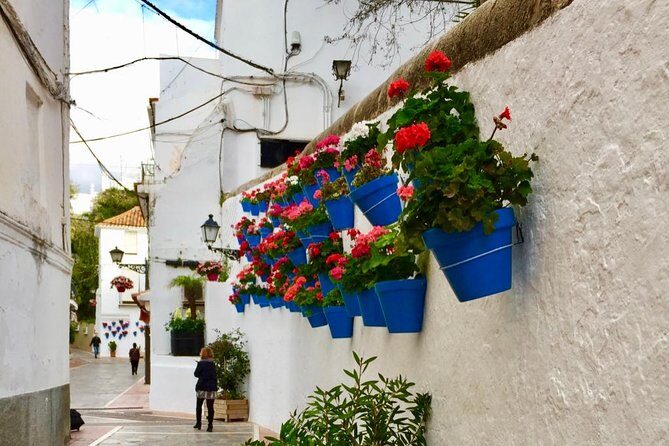
At Plaza Altamirano, you’ll spend a short stretch in a charming square tied to a 16th century palace linked to a former commander of the city.
Plazas are more than “nice places to stop.” They were political and social stages. When a square connects to a named figure, the stop becomes more than a photo moment. It gives you a sense of who held power, and how that power shaped everyday life.
If you’re the type who likes to understand city history through micro-stories, this is the kind of stop that clicks. It’s brief, but it’s specific.
Torre de la Polvora: medieval walls you can still read
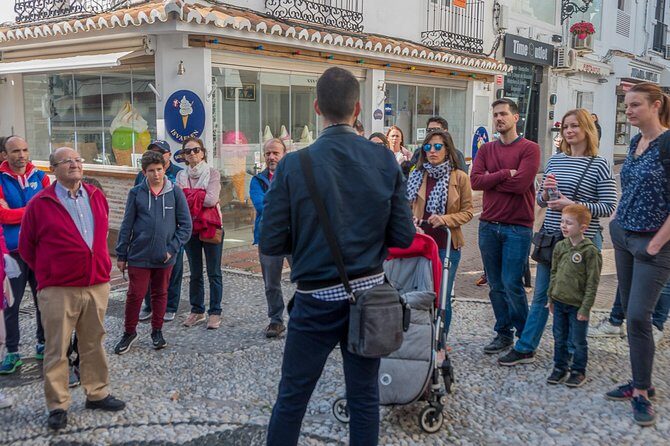
Then you reach Torre de la Polvora, where you can see the remains of Marbella’s medieval walls.
This is one of those “you can feel the timeline” stops. You’re not looking at a fully restored fort. You’re looking at fragments that survived, and that makes them powerful in a different way. They show you where the town tried to protect itself and how defensive design blended into the later city.
If you’re walking with kids, or you’re traveling with someone who gets restless, this can be a good reset stop. Walls and towers are visual. People grasp them quickly.
Plaza de los Naranjos: where Moorish streets became Castilian style
The route ends at Plaza de los Naranjos, but it’s also one of the major story points along the way. You’ll learn that narrow twisting streets from Moorish times were demolished to create this 16th century typical Castilian-style square.
This is history you can see. The square layout explains how urban planning can overwrite older street patterns. It’s also part of why Marbella’s Old Town looks the way it does today, even when you know the town has older layers.
The atmosphere here also helps. The finish location is described as sheltered by an orange grove with cafes, flowers, and 16th century buildings around you. After the walk, you have a built-in place to pause, snack, and plan your next step.
If you want to keep momentum, this ending works well. You’re not left in some empty intersection. You’re placed in the center of the social orbit of Old Town.
D’Oliva olive oil tasting: what you’re actually paying for
The final experience is the D’Oliva olive oil tasting, included in the tour. You’ll taste 3 to 6 extra virgin olive oils of high quality.
This stop is popular because it’s not generic. It ties the tour to Andalusia’s everyday culture, where olive oil isn’t a novelty item. It’s a staple product, and it shows up in local cooking, local traditions, and local pride.
Timing matters here. The tasting depends on the shop being open and on availability. If the shop hours don’t line up on your exact booking day, you might not get the same tasting experience.
Still, if it is available, it’s a fun way to turn information into something sensory. You’ll remember a street by how it smelled or tasted, not only by what you read in a guidebook.
What the group tour feels like in real life
This tour caps at 20 travelers, which makes a difference. In a small group, your guide can keep you together at key turns in narrow streets.
You’ll also likely spend time listening closely. In at least some runs, an audio setup like earphones is used, which helps a lot in open-air spaces where sound can bounce or get swallowed by street noise.
As for pacing, the whole itinerary is designed to fit an average walking ability. Most people can participate, but you are still walking through an old city with uneven street surfaces and tight corners. Wear comfortable shoes and expect to stop often enough to learn, but not so much that you’ll feel stuck.
Who this Marbella Old Town tour is best for
This is a strong fit if you want:
- A first-day orientation to Old Town Marbella
- A history and culture walk that focuses on places rather than long lectures
- A light food-and-culture add-on through the olive oil tasting
- A short, manageable outing that won’t eat your whole afternoon
It’s also a good choice if you travel with someone who prefers guided structure. The route is tight, the stops are specific, and you get a clear ending point where you can continue your day.
If you’re expecting a private, customized tour, this group format may feel less tailored. But for the price, the small-group cap helps keep it human-sized.
Should you book this Marbella Old Town tour?
I’d book it if you want the best value version of Marbella’s Old Town in 90 minutes: plazas, defensive remnants, a chapel detail, and a practical food finish.
Skip it only if you don’t want to walk much, or if you’re booking during a period where weather tends to be unstable. Since the experience requires good weather, rain or poor conditions can change your plans.
If you’re on the fence, choose the simplest decision: book this early in your trip. It gives you context fast, and then you can explore the rest of Old Town with far less second-guessing.
FAQ
How long is the Marbella Old Town walking tour?
The tour runs about 1 hour 30 minutes.
What does it cost?
It costs $30.23 per person.
Is the tour offered in English?
Yes, it is offered in English.
How many people are in the group?
There’s a maximum of 20 travelers.
What’s included in the price?
You get a local licensed tour guide. The D’Oliva olive oil tasting is also included.
Are any entrances free during the tour?
Yes. Stops listed include free admission tickets, including the National Engraving Museum entrance at Hospital Bazán when the museum is open.
Is there transportation included?
No private transportation is included.
What if the weather is bad?
The experience requires good weather. If it’s canceled due to poor weather, you’ll be offered a different date or a full refund.
Where does the tour start and end?
It starts at the meeting point around G457+GM Marbella, Spain and ends at Plaza de los Naranjos (Pl. de los Naranjos, 29601 Marbella, Málaga, Spain).