REVIEW · MALAGA
Guided Tour to the only coffee farm in Europe
Book on Viator →Operated by Manolo Mateos · Bookable on Viator
Coffee and the Costa del Sol shouldn’t work.
Yet this tour in La Herradura is built around the only coffee farm in Europe, tucked into a hillside plantation where you also meet the tropical fruit trees that grow alongside the coffee.
I really like how the walk mixes plants and real farming talk. You’ll cover sustainable methods, biological balance, and even the farm’s water-and-matter cycle—then finish in a place where you can actually buy coffee and fruit with a 15% discount.
One thing to keep in mind: the route is on a steep slope. You’ll want closed shoes and you’ll need to avoid the hottest hours, especially if you have pollen allergies.
In This Review
- Why This Tour Feels So Different in La Herradura
- Coffee Farm in Europe? Start With the Real Point
- The Main Event: The Walk Through Tropical Fruit Trees
- What about animals?
- Reaching the Coffee: Why This Farm Matters
- Sustainable Farming Talk You Can Actually Use
- How Long It Takes and How the Timing Works
- What to Wear, Drink, and Bring (So You Don’t Sweat the Details)
- Language and Guide Style: Why It Can Feel Personal
- Price and Value: $18 for Coffee, Fruit, and Farming Real Talk
- Getting There and the Real-Life Transport Note
- Who Should Book This Coffee Farm Tour
- Quick Tips Before You Go
- Should You Book This Only-in-Europe Coffee Farm Tour?
- FAQ
- How long is the guided tour?
- Is the tour offered in English?
- Where does the tour start?
- What should I bring or wear for the walk?
- Do I get any discount for buying fruit?
- Is there free cancellation?
Why This Tour Feels So Different in La Herradura
- Europe’s only coffee plantation: you’re walking on a working farm, not a museum set.
- Up to 30 tropical fruit types: coffee is the headline, but the tree variety is the show.
- Manolo Mateos brings the story: multiple languages and a tour pace that stays lively without rushing.
- Sustainability explained on the ground: water and biological balance aren’t vague ideas here.
- Wildlife sightings are possible: chameleons, eagles, owls, and more, depending on the day.
Coffee Farm in Europe? Start With the Real Point
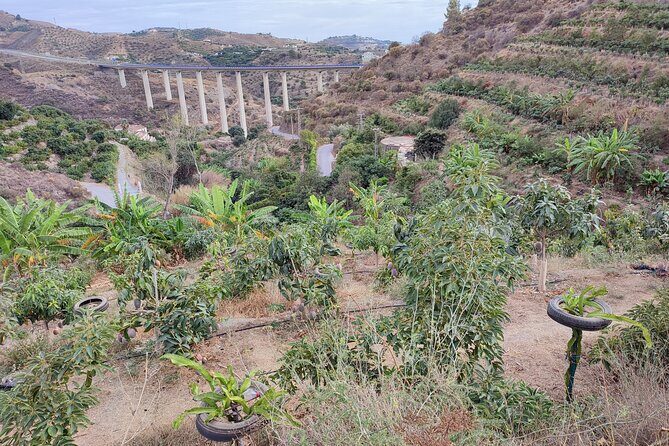
This is the kind of tour that pulls you in fast. Coffee usually means Central or South America, not inland hills near Malaga. Here, the pitch is straightforward: you’ll take an open-air walk through a plantation that grows coffee and a lot of tropical fruit, with the chance to reach the most northern coffee plantation in the world—and the only one in Europe.
That makes it a neat cultural swap. Instead of thinking of Andalusia as only olive oil and vineyards, you get a working example of how farmers experiment with climate, soil, and long-term systems. It also helps that the visit is small: the group cap is 15 people, so you’re not lost in a crowd.
The guide role matters too. The experience is run by Manolo Mateos (often introduced as Manolo/Manuel), and multiple reviews call out how he keeps things engaging. One review even notes he speaks at least five languages, which you’ll feel in how smoothly he adapts to different guests.
You can also read our reviews of more guided tours in Malaga
The Main Event: The Walk Through Tropical Fruit Trees
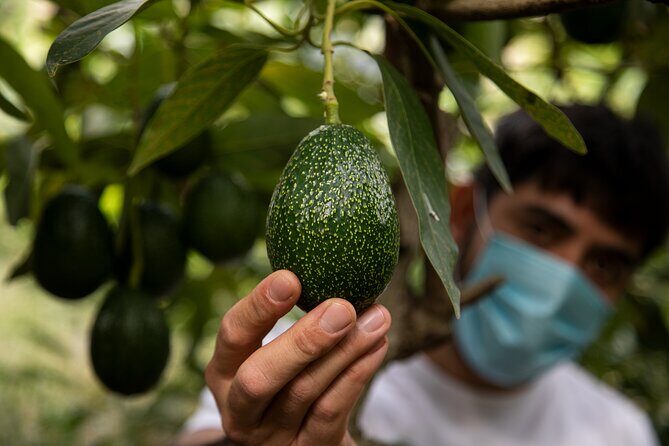
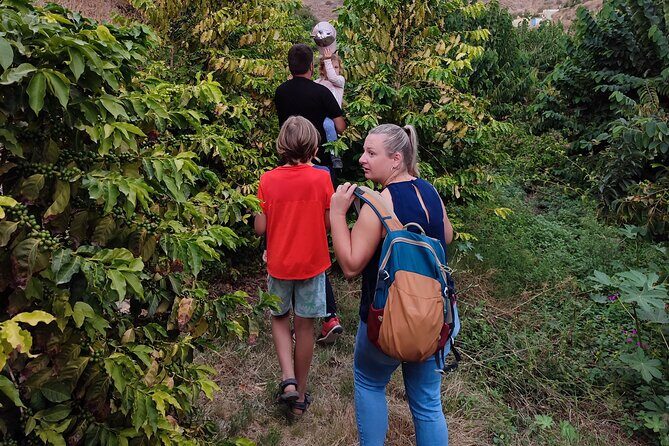
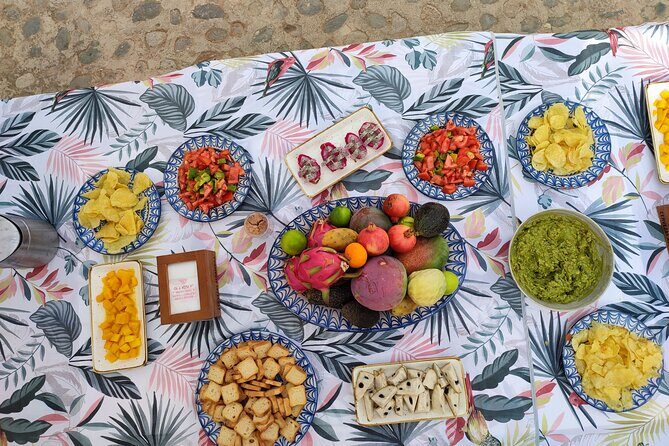
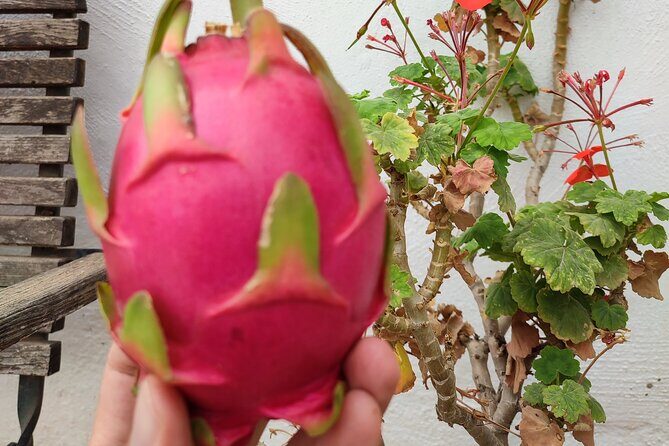
The tour’s core is a private open-air stroll around La Herradura’s plantation. Plan for a steady walk, with stops along the way. You’ll see a wide mix of trees and crops, including (but not limited to) avocados, mangoes, custard apples, lychees, red bananas, macadamias, and pitayas.
What you learn here isn’t just names on a label. The way the farm is organized lets the guide connect fruit variety to practical growing choices: what the farm does to keep plants healthy, how they manage the environment, and why certain species work in this setting.
And yes, many people love this part for the sensory detail: there’s a big difference between tasting fruit in a shop and seeing how the plant grows it—plus, several families specifically mention their kids getting excited because they could recognize fruit directly on the trees.
What about animals?
There’s a wildlife angle if you’re lucky. The walk may include sightings of things like chameleons, eagles, partridges, owls, wild goats, and wild boars. You shouldn’t plan your day around it, but it adds a “real outdoors” feeling rather than a purely agricultural stroll.
Reaching the Coffee: Why This Farm Matters
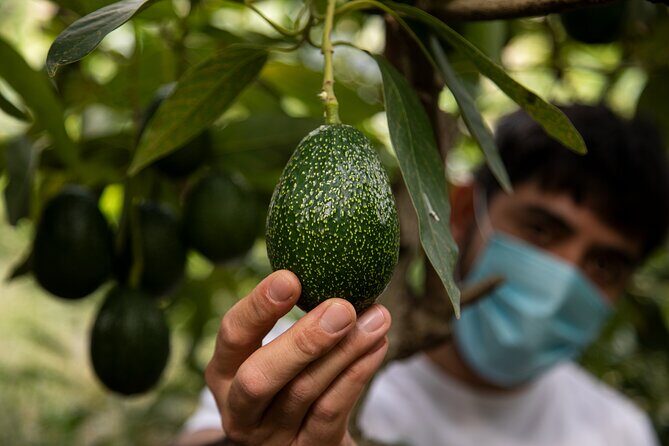
The tour doesn’t treat coffee like a side note. As the walk builds, you end up at what’s described as the farm’s coffee highlight: the most northern coffee plantation in the world, and the only one in Europe.
If you like food geography, this is where the story locks together. Coffee isn’t a “trend crop” here. It’s an ongoing, long-term project—one that requires patience because coffee plants don’t behave like quick salad greens. The guide talks about why the farm exists, how it’s been managed, and what makes the plantation work in its specific conditions.
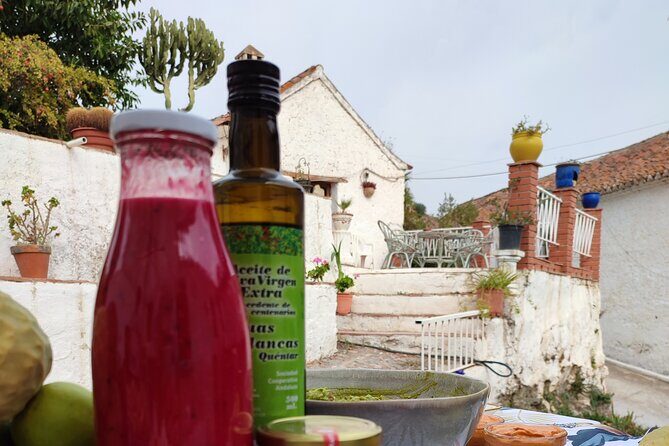
This is also where the value shows up. At the end, you’re not only leaving with photos. You can buy coffee and other farm products, and you’ll get a 15% discount on fruit purchases. That’s one of those small perks that turns the tour from a one-hour novelty into something you can actually take home.
Sustainable Farming Talk You Can Actually Use
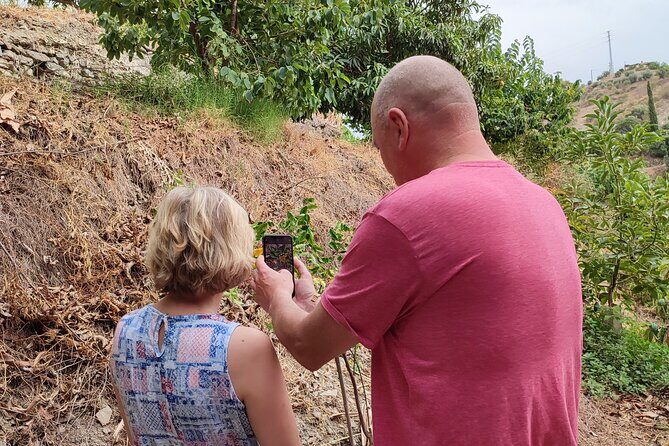
One of my favorite parts of experiences like this is when sustainability isn’t just a slogan. Here, the tour explains sustainable agricultural practices and biological balance, plus the farm’s idea of closing the circle of water and matter.
In practical terms, that means the tour tries to answer questions you probably have anyway:
- How do you keep a plantation healthy without treating it like a factory line?
- How do you manage water in a hillside environment?
- How do you encourage a living system (plants, soil, insects, and natural cycles) instead of fighting everything from scratch?
You’ll also hear about the farm’s approach to the environment around it, which feels especially relevant in Andalusia where agriculture is everywhere—but the techniques vary a lot.
If you care about food systems, this section is the most “brain-on” part of the tour. It’s also the part that helps you understand why the tropical fruit variety is there at all, not just for the wow factor.




How Long It Takes and How the Timing Works
Expect about 1 hour 10 minutes to 1 hour 30 minutes. That’s short enough to fit into a day that already includes Malaga, but long enough to feel like more than a quick photo stop.
Because the route is steep, timing matters. The guidance is to avoid the hottest hours of the day. That affects comfort more than anything. You’ll probably be fine in mild weather, but in bright midday sun, you’ll feel it on the slope. I’d treat this as an “early or later in the day” kind of activity, especially if you’re traveling with kids or anyone who isn’t used to hills.
What to Wear, Drink, and Bring (So You Don’t Sweat the Details)
The tour is outdoors, and it’s not flat. Come ready for a hillside walk.
Here’s what the experience specifically recommends:
- Comfortable, closed shoes (important)
- Hydrate properly
- Try to avoid the hottest hours
- If you have allergies to plants or pollen, consult beforehand (and it’s not recommended for seasonal pollen allergy sufferers)
If you want a simple rule: wear shoes you’d use for a short countryside hike. The slope is the real challenge, not the length.
Language and Guide Style: Why It Can Feel Personal
This tour is offered in English, and that’s the official headline. What makes it better is how the guide communicates beyond just reading a script.
Reviews praise Manolo Mateos for being both informative and entertaining. Many comments describe him as funny, approachable, and good at explaining the farm story in a way that stays fun for adults and kids.
One practical advantage: when a guide is comfortable in multiple languages, it’s easier to handle mixed groups. Even if your main language is English, you’ll often get an experience that feels tailored.
Price and Value: $18 for Coffee, Fruit, and Farming Real Talk
The price listed is $18.15 per person, and that’s the big part of the appeal. For this price, you’re getting:
- A guided walk on a working farm
- A focus on the only coffee farm in Europe
- A long list of tropical fruits to see
- An explanation of sustainability and farming cycles
- Access to farm products afterward, plus a 15% discount on fruit purchases
Two things I’d consider when judging value:
- It’s not a zoo: the wildlife sightings are not guaranteed. The farm plants are the sure thing.
- You may want to budget for buying: coffee and fruit are available at the end, and that’s half the fun if you enjoy local food purchases.
If you’re the type who likes taking home one real edible souvenir, this tour makes sense. If you want a “pay once, nothing else” experience, you can still enjoy it—just know there’s a natural pull toward tasting and buying.
Getting There and the Real-Life Transport Note
This is where practical planning matters.
The tour starts in La Herradura (start location is pinned with a plus code) and the experience ends at a separate farm-area point (near Diseminado Rio Jate Pol in the Granada area). That means your return plans need a little thinking.
From reviews, there are two key tips:
- If you arrive by taxi, let the driver or provider know in advance so the guide can meet you and handle the uphill part.
- Uber may not be available for the return. Plan on organizing a lift back to the main town or booking a local taxi.
If you’re visiting La Herradura from Malaga or combining it with other stops, I’d keep this tour early in your day or late afternoon, when you’re less dependent on last-minute transport.
Who Should Book This Coffee Farm Tour
I’d book it if you:
- Want something genuinely different from typical Malaga excursions
- Like food and plants, not just sightseeing
- Enjoy small-group guided walks
- Are curious about how farms work and why sustainability choices are hard
It’s also a strong family pick if the kids can handle a hillside walk. Several families in the provided feedback mention bringing young children and feeling included.
I’d be cautious if you:
- Have seasonal pollen allergies (the tour is not recommended for pollen allergy sufferers)
- Have limited mobility or find steep slopes difficult
- Want a fully flat, low-effort activity
Quick Tips Before You Go
- Wear closed shoes suited for a slope.
- Bring water and plan to go when it’s not at peak heat.
- If you have pollen allergies, contact in advance.
- Save room in your day for transport back, since returns may require local taxi or arranged lifts.
- If you want to buy coffee and fruit afterward, decide ahead of time how much you’ll spend.
Should You Book This Only-in-Europe Coffee Farm Tour?
Yes, if your definition of a great tour is simple: real place, real farming, and a guide who makes the story click. This experience checks those boxes with Europe’s only coffee plantation as the hook, then keeps rewarding you with tropical fruit variety, sustainability talk, and a walk that feels outdoors and alive.
Skip it if steep slopes are a deal-breaker for you, or if pollen allergies could make the day miserable. For everyone else, it’s an affordable, small-group way to see Andalusian agriculture from a surprising angle—and to take home coffee and fruit that connect directly to what you see on the trees.
FAQ
How long is the guided tour?
It runs for about 1 hour 10 minutes to 1 hour 30 minutes.
Is the tour offered in English?
Yes. The experience is offered in English.
Where does the tour start?
The start point is in La Herradura, listed with a pinned plus code. The end point is a separate location in the Rio Jate Pol area.
What should I bring or wear for the walk?
Wear comfortable, closed shoes and hydrate properly. The route includes a steep slope, so it’s best to avoid the hottest hours of the day.
Do I get any discount for buying fruit?
Yes. You get a 15% discount on fruit purchases.
Is there free cancellation?
Yes. You can cancel for a full refund up to 24 hours in advance of the experience start time. It also requires good weather, and if it’s canceled due to poor weather, you’ll be offered a different date or a full refund.