REVIEW · MALAGA
Guided tour and oil tasting at the Aceites Molisur factory
Book on GetYourGuide →Operated by ACEITES MOLISUR · Bookable on GetYourGuide
Olive oil tasting should start with a smell test. The Aceites Molisur guided visit takes you from the olive groves to the mill, then ends with a structured tasting so you learn what makes extra virgin taste like it should.
I also like the oil museum style look at old equipment and the clear path through the process, from fruit intake to what happens in storage. One thing to plan for: getting there without a car can add cost, since transport isn’t included.
In This Review
- Key highlights you’ll care about
- Olive oil in the real world: why this tour feels different
- Aceites Molisur meeting point: start with the right expectations
- The olive grove setting: nature, mountains, and cultivation basics
- The century-old mill moment: what you’ll see in the oil museum
- Tasting extra virgin olive oil: how the guided part actually helps
- Production area walk-through: from reception to storage
- Price and value: is $34 worth it?
- Who this fits best (and who might want a different plan)
- Practical tips to get the most out of your visit
- Should you book the Aceites Molisur oil tour?
- FAQ
- How long is the Aceites Molisur guided tour and oil tasting?
- How much does it cost per person?
- Where do I meet for the tour?
- What is included in the ticket?
- Which languages are available for the live tour guide?
- Is transportation included from nearby places?
- Is the tour suitable for wheelchair users?
Key highlights you’ll care about
- A full 1.5-hour production story: you don’t just hear facts, you walk the stages of making olive oil.
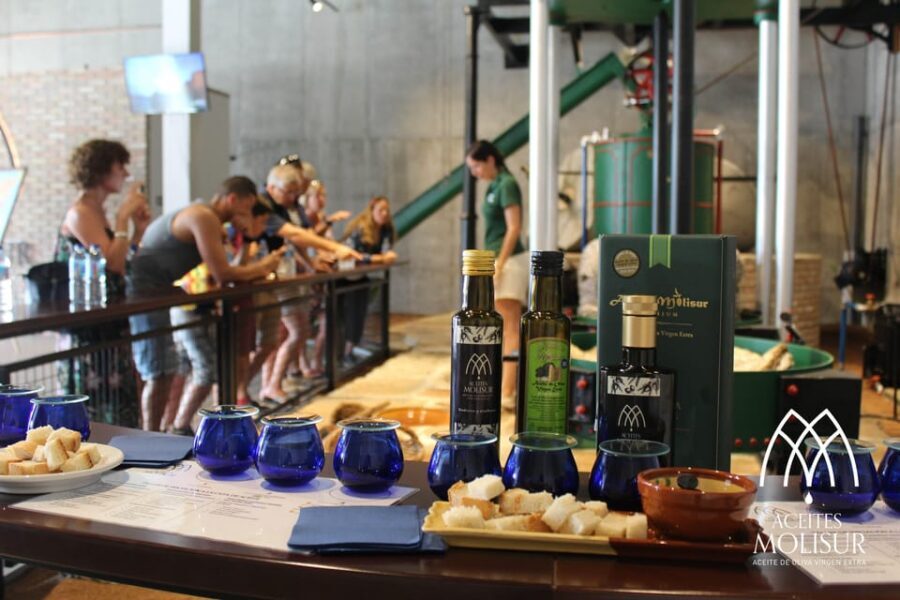
- Tasting 3 extra virgin olive oils with guidance to help you pick out aromas and flavors.
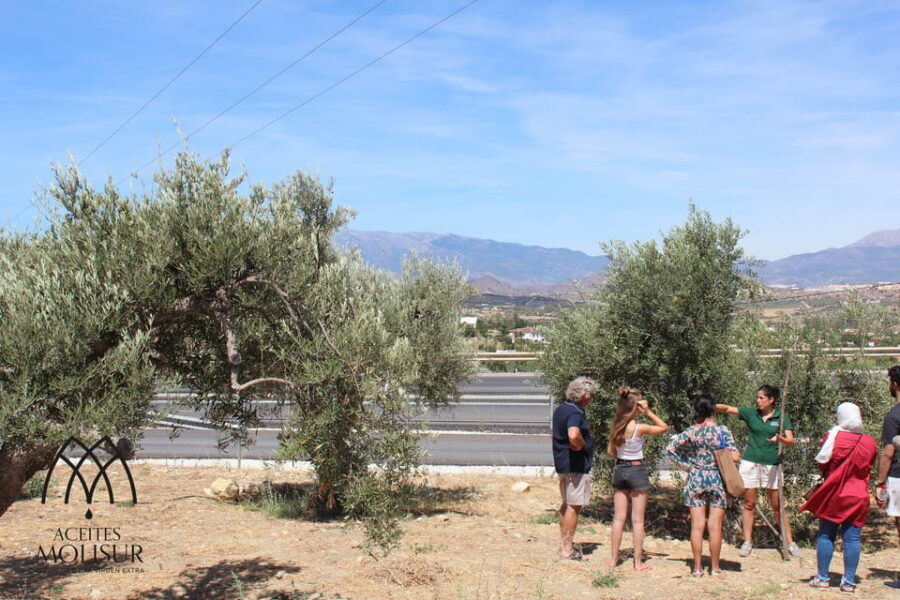
- Century-old olive trees and cultivation details in a mountain-and-vegetation setting.
- A mill-in-operation moment inside the oil museum, focused on how extraction evolved.
- Multi-language guides (French, Spanish, English), which matters for understanding the tasting cues.
- Water provided so you can focus on learning instead of rationing sips.
Olive oil in the real world: why this tour feels different
A lot of olive oil experiences are either a quick shop stop or a lecture in a room. This one does something better: you move through the place where the oil is made, then you train your nose and palate while the process is still fresh in your mind.
You get a guided run through the Mediterranean diet’s most famous ingredient, but the best part is how practical it is. You’ll learn how olive oil quality is tied to what happens with the fruit—from cultivation and harvest decisions to how the oil is produced and stored.
And because the visit happens in a working context (not just a set piece), you come away with a mental map. Later, when you see bottles in a market, you’ll know what questions to ask and what differences are worth noticing.
You can also read our reviews of more food & drink experiences in Malaga


Aceites Molisur meeting point: start with the right expectations
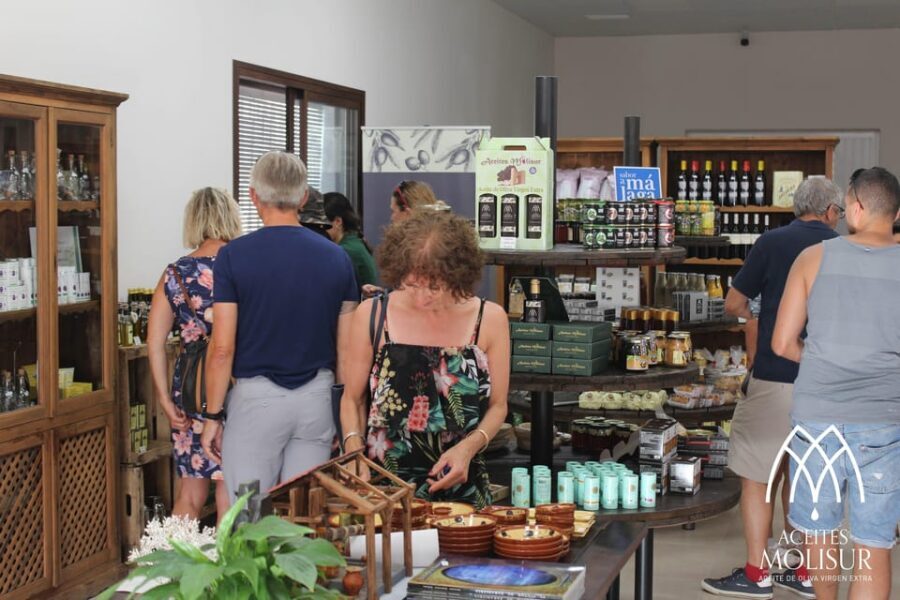
You meet at the Aceites Molisur shop. It’s straightforward: walk in, tell the staff you’re there for the tour, and they’ll get you lined up with your guide.
Plan to arrive a few minutes early. The tour is only 1.5 hours, so you want your brain in gear before the walk begins. Also, if you’re coming in summer, the outdoor parts can feel warm even at slower walking pace—bring a sun hat and comfortable shoes.
Quick note that affects your comfort: pets aren’t allowed, so plan accordingly if you’re traveling with animals.
The olive grove setting: nature, mountains, and cultivation basics
One of the perks here is the setting. You’ll be around vegetation and mountains, not stuck in an industrial yard with no sense of place. It makes the story of olive oil feel grounded—because olives don’t grow as a concept. They grow as trees in a landscape.
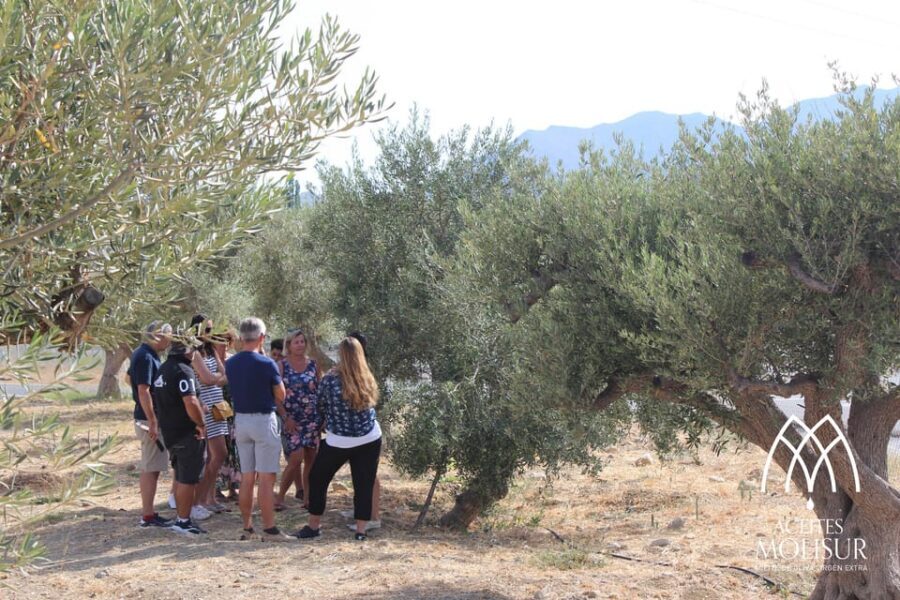
During the early portion, you’ll go over the company origins and how olives are cultivated and harvested. Even if you’ve heard olive oil described as a farm product, this part helps you understand it as a chain of choices. Things like when olives are picked and how they’re tended influence what ends up in the bottle.
You’ll also visit century-old olive trees. That’s not just scenery. Old trees are a reminder that olive production is built on patience. You’ll get more meaning from the museum and the mill visit later, because you’ve already connected today’s process to long-term growing.
If you’re the type who likes learning through visuals, this stop lands well. It’s easier to remember harvesting and cultivation details when you can look at the trees and imagine the work behind them.
The century-old mill moment: what you’ll see in the oil museum
Next comes the oil museum area and the mill in operation. Seeing machinery moving (or at least presented as working equipment) changes everything. Olive oil production can sound abstract when it’s explained only through photos. Here, you get a sense of how extraction actually happens.
The museum part focuses on the history and evolution of systems for obtaining olive oil. You’ll hear how older methods paved the way for what you see now, and you’ll get context for why certain steps matter.
Practical benefit: this is where many people start to understand why terms like extraction and storage aren’t marketing jargon. The equipment and the workflow shape what ends up in the final oil—especially for extra virgin quality.
Potential drawback to keep in mind: if you’re expecting a hands-on class where you personally operate equipment, this is more of a guided walkthrough with tasting. It’s still very educational, just not a lab workshop.
Tasting extra virgin olive oil: how the guided part actually helps
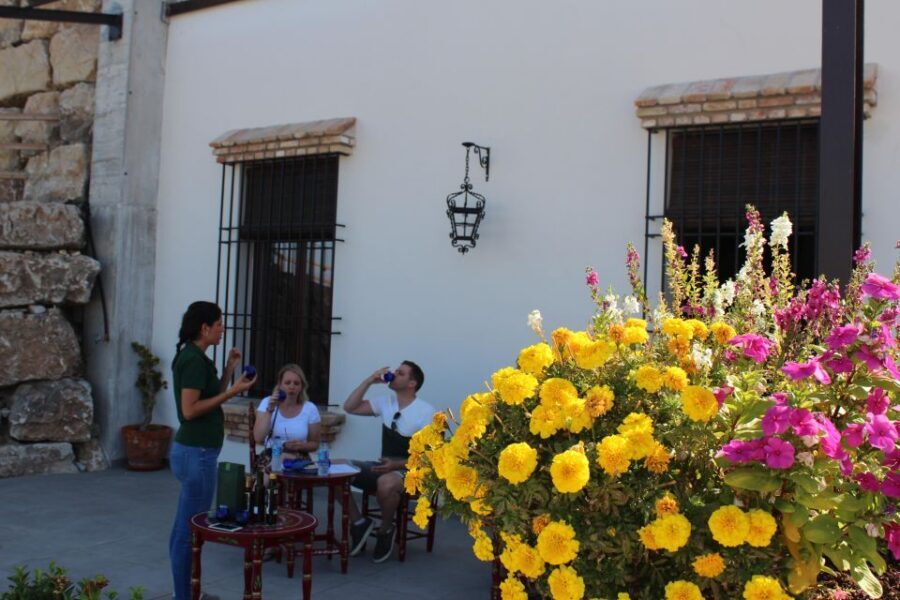
The tasting is the heart of the experience. You’ll learn how to taste an olive oil like a professional, and you’ll sample three different extra virgin olive oils.
Here’s what makes the tasting valuable: you don’t just drink oil. You learn how to approach it. The guide teaches you to notice aromas first, then flavors, and to connect those impressions back to what you’ve been hearing about cultivation and production.
During the tasting, you’ll practice distinguishing flavors and aromas—so you can tell what you like and what you’re noticing in the glass. This is one of those skills that pays off immediately, because once you’ve been trained for a short time, you can apply it the next time you buy olive oil.
And yes, people sometimes expect tasting notes to be overly complicated. This experience aims to make them usable. One memorable part that comes up in feedback is the fun way fruit notes get discussed—so don’t be surprised if you hear comparisons that include other Mediterranean fruit impressions, not only olive-specific vocab.
If you love food and want to improve your palate without feeling judged, this section is a great fit. It’s guided enough that you don’t need prior expertise, but structured enough that you walk away with real takeaways.
You can also read our reviews of more guided tours in Malaga



Production area walk-through: from reception to storage
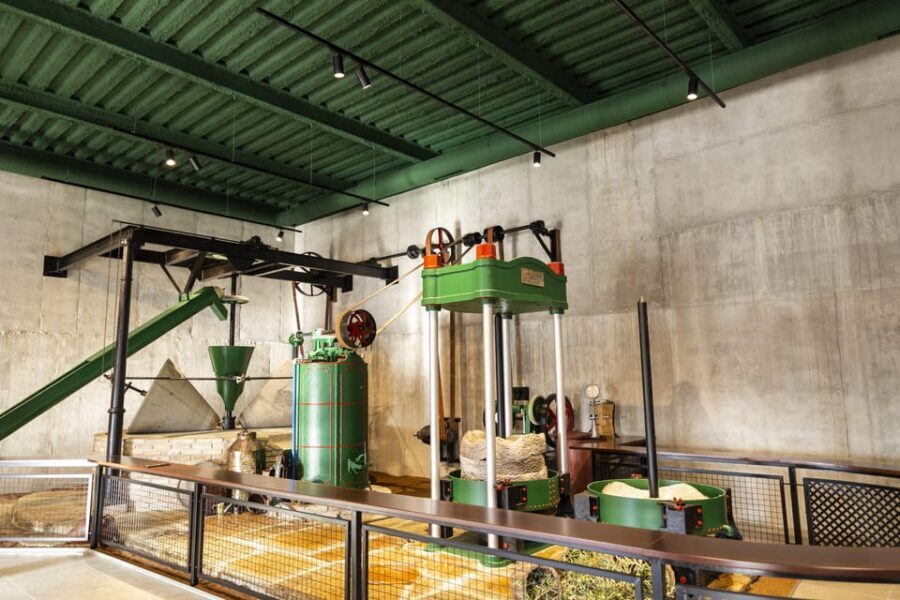
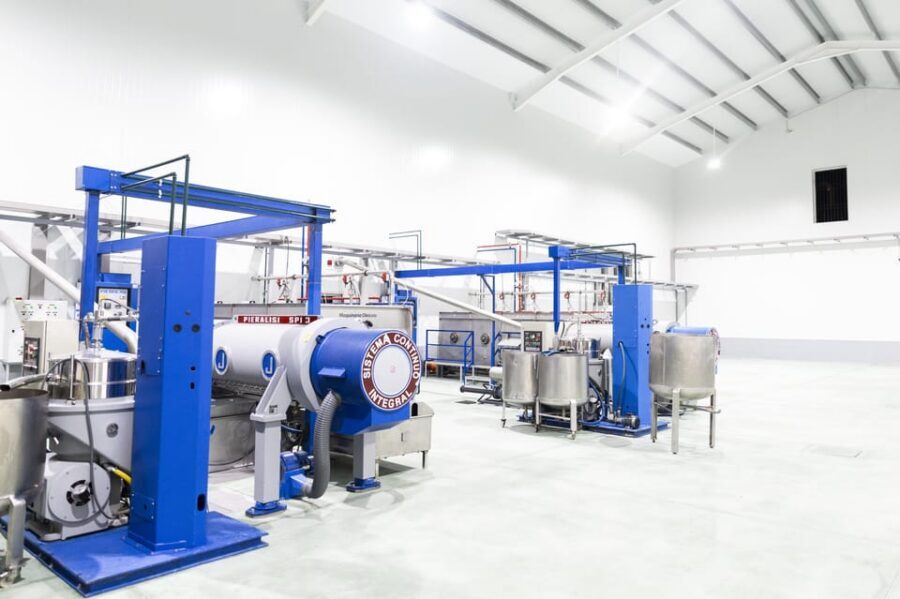
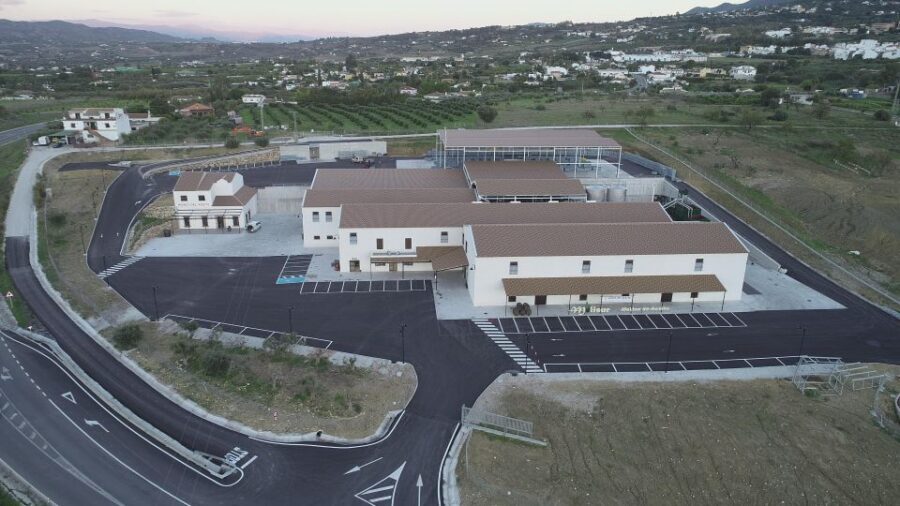
After the tasting, you’ll head to the production area. This is where the tour tightens the story: you learn the current process from reception to storage in the warehouse.
This part matters because it’s the difference between tasting oil as a product and understanding oil as a system. Reception is where the fruit and workflow decisions start influencing quality. Storage is where maintaining that quality becomes the next challenge.
Even if you only retain a few concepts, the overall takeaway is strong: olive oil quality is not just about the trees. It’s also about how the oil is handled after extraction.
You’ll likely pick up the kind of details you can use when shopping. For example, you’ll be more attentive to freshness and storage practices, not just the label name. That’s real-world value.
Also, this is another moment where the location helps. Being in nature around the process makes the warehouse and production steps feel connected instead of random.
Price and value: is $34 worth it?
At $34 per person for about 1.5 hours, you’re paying for a guided factory-and-museum visit plus a tasting of three extra virgin oils. That’s not just a tour fee. It’s a learning package that includes structured sensory training and access to the production environment.
Is it a bargain? Not necessarily. But it’s reasonable when you consider what’s included:
- guided access to the factory and museum
- tasting of three oils
- water provided
- a live guide in French, Spanish, or English
Where the value gets shaky is transportation. The tour doesn’t include transport, and getting there from major nearby hubs without a car can cost extra. If you’re basing out of Malaga, for example, budget for the round trip if you’re not driving—because the tour price alone can understate your total cost.
My practical advice: decide based on how you’re traveling.
- If you have a car, this is easy to swallow as a day-trip activity.
- If you don’t, do the math first, because your transportation bill can outweigh the tour itself.
Who this fits best (and who might want a different plan)
This tour is a strong match if you:
- want a clear explanation of olive oil production steps
- enjoy food learning that uses your senses (especially smell and taste)
- like short tours with a focused payoff
- are shopping for better olive oil and want to understand differences between extra virgin bottles
It’s less ideal if you:
- want a long, walk-and-hike day with lots of free time
- need transport included in the price
- expect a fully hands-on experience where you do processing tasks yourself
One nice bonus: the tour is wheelchair accessible, so it can work for mobility needs as long as you can handle the walking pace of a guided group.
Practical tips to get the most out of your visit
Wear comfortable shoes. Even though it’s only 1.5 hours, you’ll be moving between outdoors and indoor spaces, and you’ll want stable footing.
Bring a sun hat if you’re visiting during bright months. You’ll spend time outdoors around the trees and vegetation.
If you’re sensitive to strong smells, remember that olive oil aroma can be powerful in a concentrated tasting setting. That’s not a problem—it’s part of learning. Just take breaks if you need them and use the provided water.
When you’re tasting, slow down. Your first instinct might be to focus on taste alone, but you’ll learn more if you give the aroma a moment before you evaluate flavor. That’s how the guided cues help you become more accurate.
And if you’re choosing language: pick the option you can fully understand. This is one of those experiences where your brain wants the details. Guides are available in French, Spanish, and English, and clear explanations make the tasting much easier to follow.
If you’re lucky enough to have a guide named Ana, there’s a lot of positive feedback about her clear, friendly explanations in English. Even if you’re not sure who your guide will be, it’s still worth aiming for the language that lets you catch the tasting techniques.
Should you book the Aceites Molisur oil tour?
If you want olive oil knowledge you can actually use, I’d book this. The combination of a factory walkthrough, a museum/mill stop, and tasting three extra virgin oils is exactly what turns “I like olive oil” into “I can tell what I’m tasting and why it’s different.”
I’d hesitate only if:
- transport will be pricey for you and you’ll arrive tired
- you’re expecting a hands-on processing workshop rather than a guided walkthrough with tasting
For the right traveler, though, this is one of those straightforward experiences that pays off quickly. You learn, you taste, and you leave with a better sense of what’s worth buying back home.
FAQ
How long is the Aceites Molisur guided tour and oil tasting?
The duration is 1.5 hours.
How much does it cost per person?
The price is $34 per person.
Where do I meet for the tour?
Meet at the shop of Aceites Molisur. Tell the staff you are coming for the tour.
What is included in the ticket?
You get guided tours of the factory and the olive oil museum, tasting of three extra virgin olive oils, and water.
Which languages are available for the live tour guide?
The tour guide is available in French, Spanish, and English.
Is transportation included from nearby places?
No. Transport is not included.
Is the tour suitable for wheelchair users?
Yes, the tour is wheelchair accessible.