Picasso and local coffee set the tone. This 2.5-hour, max-10 walk turns Málaga into a story you can follow on foot, with stops that connect landmarks to everyday life. I like the small-group size (it feels personal, not like a conveyor belt) and the local food moments that come with actual recommendations, not generic tourist talk. One thing to keep in mind: the tasting is more of a sampling style than a full meal.
The guide, often going by Isa or Isabel, is a big part of the magic here. You get warm, friendly explanations in English, plus practical pointers for where to eat and shop after the tour. Since you’ll cover several old-town stops in a short window, wear comfortable shoes and expect a steady walking pace.
In This Review
- Key things I’d circle on your plan
- A small-group walk that feels like Málaga by a friend
- Plaza de la Merced: coffee/tea first, Picasso right after
- Church of Santiago: local specialties and real secrets
- Alcazaba viewpoints: Roman Theatre views and Holy Week talk
- Málaga Cathedral and Plaza de la Constitución: symbols and coffee culture
- Calle Larios and fried almonds: the shopping street with a story
- Mercado Central de Atarazanas: why the market name matters
- Price and timing: is it good value?
- What to wear and what to bring for a smooth walk
- Who this tour suits best (and who might want another option)
- Should you book Go Local for a Day in Málaga?
- FAQ
- How long is the Go Local for a Day tour in Málaga?
- Where does the tour start and where does it end?
- Is the tour offered in English?
- What is the maximum group size?
- What food and drinks are included?
- Do I need to pay admission tickets for the stops?
- What happens if weather is poor?
- Can I cancel for a full refund?
- Are service animals allowed?
Key things I’d circle on your plan
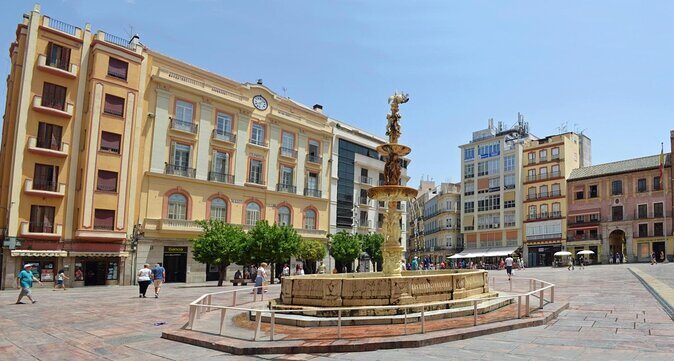
- Max 10 people means you can ask questions and actually hear the answers
- Plaza de la Merced coffee/tea start sets up the city’s Picasso link fast
- Holy Week context at the Alcazaba viewpoint adds real local meaning to a scenic stop
- Calle Larios plus fried almonds gives you a taste of tradition along the main shopping street
- Mercado de Atarazanas food-shopping stop explains what locals buy and why the market is named that way
- Handwritten take-home postcards add a thoughtful, personal touch after the walk
A small-group walk that feels like Málaga by a friend
This is the kind of tour where the group size matters. With a cap of 10 people, you’re not lost in a crowd. That changes how the tour feels: more Q and A, more eye contact, and less rushing just to keep everyone together.
The tour runs about 2 hours 30 minutes, starting at 10:30 am. You’ll walk through central Málaga at an easy-to-moderate pace, with short stops along the way (most are around 20 minutes, with a longer break for the coffee start). The meeting point is Pl. de la Merced, 25, and you finish close to Mercado de Atarazanas at C. Atarazanas, 10.
Also, don’t overthink the language logistics. This tour is offered in English, and you’ll receive confirmation at booking. You’ll use a mobile ticket, which is handy if you’re juggling plans on a travel day.
You can also read our reviews of more tours and experiences in Malaga.


Plaza de la Merced: coffee/tea first, Picasso right after
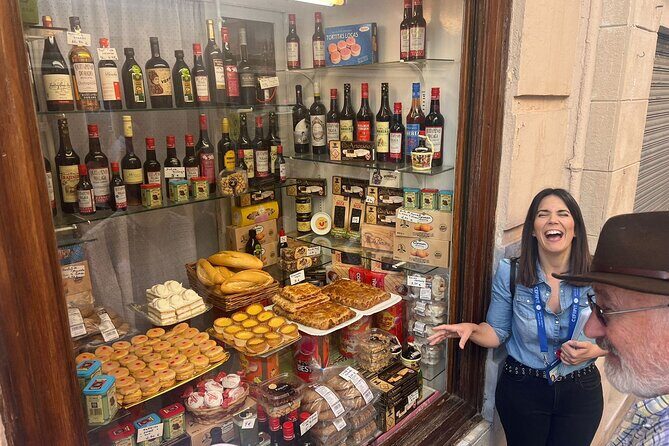
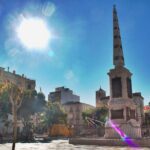
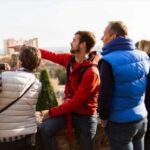
Your morning begins at Plaza de la Merced, one of those squares that looks simple until you notice the details. The tour starts with coffee or tea there, and the guide uses the square as a launching pad for Málaga’s story.
This is where the Picasso connection gets explained in a way that’s easy to remember. Instead of turning Picasso into a detached museum topic, you connect him to the city’s streets and the way people describe Málaga. It’s also a nice rhythm choice: a short sit-down at the start helps you settle in, catch the group’s pace, and start walking with energy.
Practical tip: if you care about photos, this is a good moment. Squares give you open angles without the tight-street squeeze you get later. And since it’s a coffee/tea stop, it’s a straightforward way to fuel up before the sightseeing climbs.
Church of Santiago: local specialties and real secrets
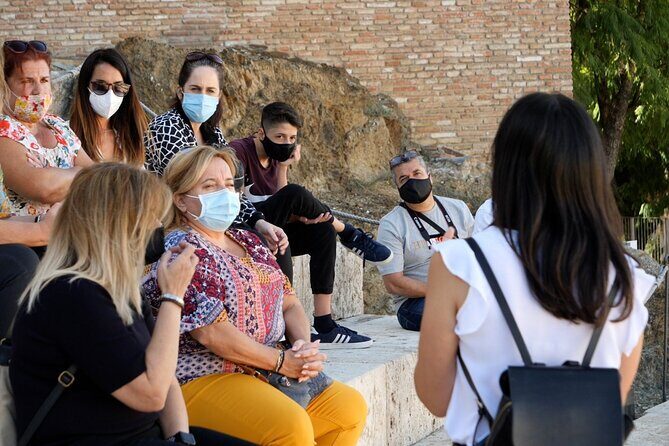
Next up is the Church of Santiago area on Granada Street. Here, the tour combines two things that work well together: a quick taste of local specialties and a focused stop at the church.
The key is the way it’s framed. This isn’t just history talk. The guide points out hidden or surprising details inside, and ties them to broader Málaga life. In particular, Picasso’s story connects naturally here, since the church is part of his Málaga background. You leave with a mental map of how the city’s major figures and everyday neighborhoods overlap.
If you’re hungry, this is one of the most useful stops. The schedule is tight, so the snack moment helps you keep going without feeling drained. And because the church stop is short, it’s a good fit even if you don’t want a long museum-style visit.
Watch for this: churches can be cooler inside and you may want a light layer if you’re sensitive to temperature shifts.
Alcazaba viewpoints: Roman Theatre views and Holy Week talk
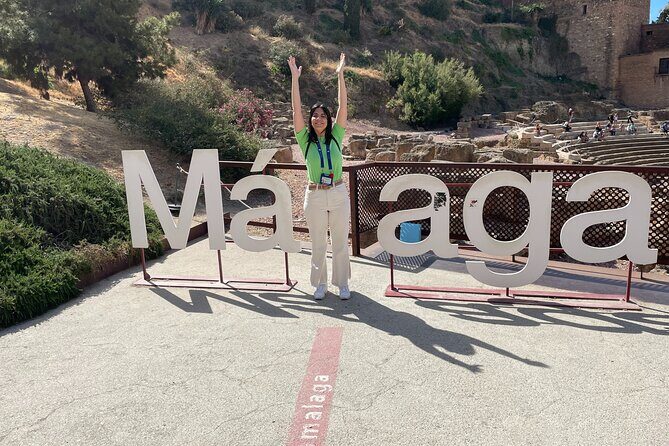
After that, you head toward Alcazaba and the viewpoint from Alcazabilla Street. This part of the walk is short, but it hits hard because the views are the payoff.
From here, you can see the Roman Theatre area and the Alcazaba fortress viewpoints in one glance. Even if you’re not a Roman-ruins nerd, it helps you understand why people point travelers toward this zone. You’re seeing how Málaga’s geography works, and how the old city sits like layers on a hillside.
What makes this stop more than a look-out is the way local tradition gets woven into it. The guide talks about one of the biggest local festivities: Holy Week. That turns the place into something living, not only scenic. Instead of asking why Málaga looks dramatic, you start hearing how the city performs and remembers itself during major celebrations.
Practical tip: bring your phone battery charger mindset. Viewpoints are photo magnets. Even if you don’t take many pictures, the light and angles make you want to.
Málaga Cathedral and Plaza de la Constitución: symbols and coffee culture

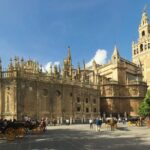
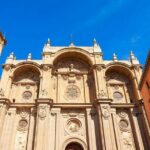
The route then brings you to Málaga Cathedral, where the focus shifts from views to meaning. You’ll learn how the cathedral was constructed and why it matters as a symbol for malagueños (locals). This is a good stop if you’ve ever wondered why certain churches get treated like civic landmarks instead of just religious buildings.
Shortly after, you hit Plaza de la Constitución, a square the guide frames as a meeting point for locals. It’s not just a pretty open space. It’s a place where daily life happens and where the city’s habits show up.
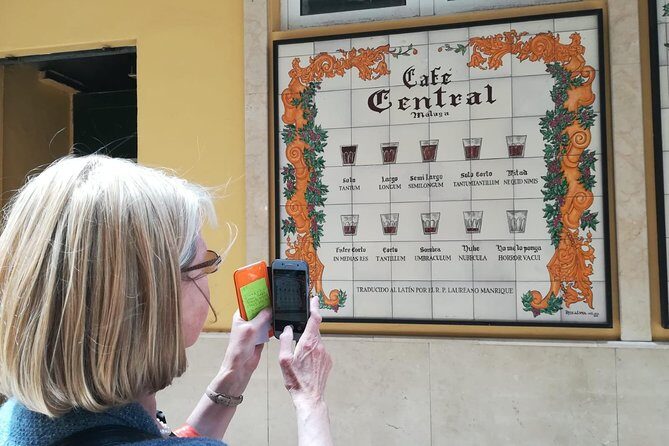
One of the most memorable bits here is the coffee angle. You’ll hear that the city has nine different types of coffee people recognize in Málaga. It’s the kind of detail that sounds small until you realize it gives you a working vocabulary for ordering once you’re out on your own.
This is also where you should take a mental note: the guide’s recommendations about cafes and shops usually make more sense after you understand which squares locals actually use as anchors.



Calle Larios and fried almonds: the shopping street with a story
Now you get to La Calle Larios, one of the city’s central streets. This is where the tour gets especially practical if you plan to wander later.
The guide explains the secrets behind the street, including the family connected to its construction. You start seeing Larios not just as a place to shop, but as part of Málaga’s timeline and power centers. That matters because Málaga’s old town feels layered, and shopping streets often hide that layer under modern storefronts.
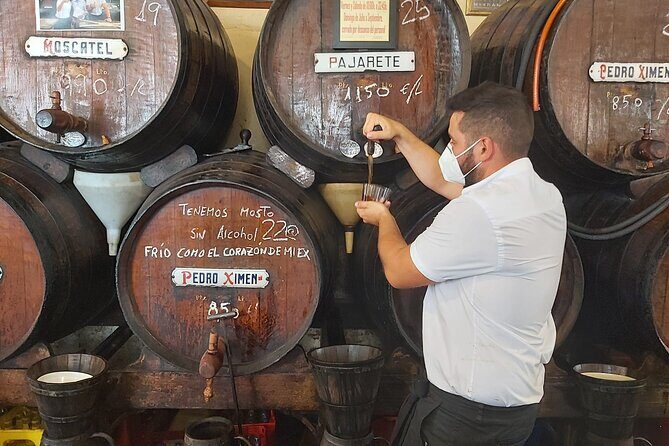
And because this tour is about local life (not only monuments), you also get a classic taste moment: fried almonds. It’s a small stop, but it’s exactly the kind of snack that fits an old-city walking day. You get a flavor cue for what to look for later.
If you’re the type who likes to snack through a day, this section is a good match. If you’re expecting a big meal, set your expectations for sampling.
Mercado Central de Atarazanas: why the market name matters
The final major stop is Mercado Central de Atarazanas. This is one of the best places in Málaga for understanding food in context, because markets show what locals actually buy and how they think about ingredients.
Here, the guide connects the dots: why the market is called that way, and how locals are named in relation to fish. You also get a sense of what products the city consumes and where those food choices fit into the larger Málaga identity.
The tour’s tasting style shows up clearly at the market. You’ll pick up samples tied to the snack stops you’ve already had, including items like almonds and olives and the “heart of Málaga” style tasting mentioned in the tour experience. One guide-led “end-of-walk” treat that comes up in real stories about this tour is a wine pour at the end.
One important consideration: if you’re expecting a long list of different foods at each stop, you might feel a bit underfed. The tasting is meant as a sampler, not a full spread. That’s not a dealbreaker, but it helps to know the vibe so you don’t end the tour hungry and disappointed.
Price and timing: is it good value?
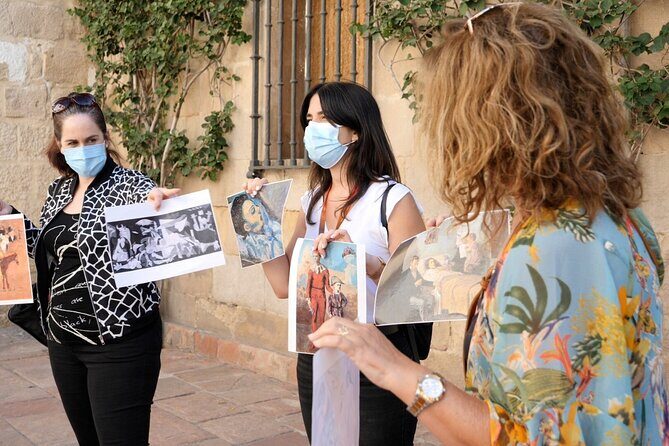
At $36.28 per person for roughly 2 hours 30 minutes, this is priced like a focused walking tour rather than a half-day sightseeing package. The value comes from four things you’ll feel during the walk:
1) The tour stays intimate with a max of 10 people.
2) You get short explanations tied to multiple major spots: cathedral, fortress viewpoints, main squares, and the central market.
3) Stops include small food and drink moments, plus practical recommendations you can use right away.
4) The sights listed are marked with no admission ticket cost for this experience.
In other words, you’re paying for guidance, storytelling, and local direction. If you want a checklist of monuments with no context, you might find cheaper options. If you want to understand how locals see these places, the price starts making sense fast.
Timing also matters. Starting at 10:30 am means you get your bearings early in your trip. Even if you later go back to specific sights, this tour helps you connect the dots so you don’t wander blindly.
What to wear and what to bring for a smooth walk
This is an old-town walking route with several short stops. You’ll want to move comfortably between plazas and streets.
Bring:
- Comfortable walking shoes (you’ll be on sidewalks more than inside venues)
- A charged phone (viewpoints and squares are photo-friendly)
- A light layer if you run cold in churches or shaded corners
If you get motion sensitive or you’re heat sensitive, plan simple breaks. The tour has short stops, so you’ll get chances to pause, but the overall flow is still a walk.
Also: since the tour is capped at 10, you’ll be easier to track than on large group walks. Still, show up on time and aim to find the meeting point without stress.
Who this tour suits best (and who might want another option)
This works especially well if you:
- Want a first-day in Málaga orientation that feels personal
- Like history explained with everyday context
- Enjoy local snacks and want real ordering ideas
- Prefer small groups over big-tour headsets and rigid pacing
It may not be your best match if you:
- Expect a full meal or lots of different tastings at multiple stops
- Only want museum-style, long indoor visits
- Hate walking and want minimal movement between stops
The sweet spot is people who want to understand how the city functions, not only what it looks like.
Should you book Go Local for a Day in Málaga?
I’d book this if you want Málaga to feel like a place with locals attached to it. The small-group format keeps the vibe human. The route hits the main old-town anchors—Plaza de la Merced, Church of Santiago, Alcazaba viewpoints, Málaga Cathedral, Plaza de la Constitución, Calle Larios, and Mercado de Atarazanas—so you get a clear mental map fast.
The biggest “yes” is the story-and-food mix. You don’t just hear facts; you hear how locals talk about these places, plus where they go for coffee, snacks, and shopping. And the finishing touches, like getting personalized handwritten postcards, add a warm memory you can carry home.
The main reason to hesitate is the tasting expectation. This tour is sampling-focused. If your dream is a full tapas crawl, you’ll likely want to book food separately after.
If you can accept that it’s a guided walk with bites, not a banquet, it’s a strong value way to start your Málaga days.
FAQ
How long is the Go Local for a Day tour in Málaga?
It lasts about 2 hours 30 minutes.
Where does the tour start and where does it end?
It starts at Pl. de la Merced, 25, Distrito Centro, Málaga, and ends close to Mercado de Atarazanas at C. Atarazanas, 10.
Is the tour offered in English?
Yes, it’s offered in English.
What is the maximum group size?
The tour is capped at a maximum of 10 travelers.
What food and drinks are included?
You’ll have a coffee or tea at the start, try some local specialties, and have snack tastings including fried almonds. At the central market, you’ll sample local items such as almonds and olives, and there may also be a wine at the end.
Do I need to pay admission tickets for the stops?
The stops listed are marked as admission ticket free for this experience.
What happens if weather is poor?
This experience requires good weather. If it’s canceled due to poor weather, you’ll be offered a different date or a full refund.
Can I cancel for a full refund?
Yes. You can cancel up to 24 hours in advance for a full refund.
Are service animals allowed?
Yes, service animals are allowed.